Analysis of Cold Storage Types: Classification, Characteristics, and Selection Guide
Offers cost-effective solutions for customers
Analysis of Cold Storage Types: Classification, Characteristics, and Selection Guide
We can classify cold storage according to different classification dimensions, and the most common classification method is based on the nature of use and the temperature inside the storage.
According to the nature of use, the first type is productive cold storage, which is mainly built near food production areas and is the core hub for large-scale processing and storage of fresh food ingredients. It is mainly used for rapid cooling, processing, and long-term storage of harvested fresh agricultural and sideline products. Generally, it has a large turnover capacity and high requirements for refrigeration efficiency.
The second type is distributed cold storage, which is often located in large and medium-sized cities, ports, or transportation hubs. Its main function is to store pre cooled and processed finished goods, to regulate market supply and demand, and ensure the supply of goods during periods of supply-demand mismatch.
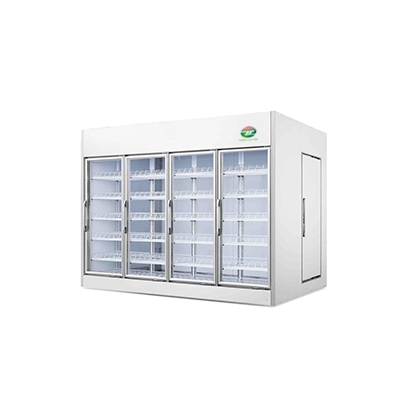
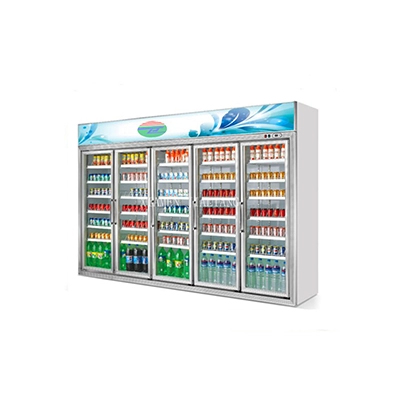
The third type is retail cold storage, which is generally smaller in scale and mostly attached to supermarkets and retail stores. It is mainly used for temporary storage of frozen and refrigerated goods for sale, with a higher frequency of storage and turnover.
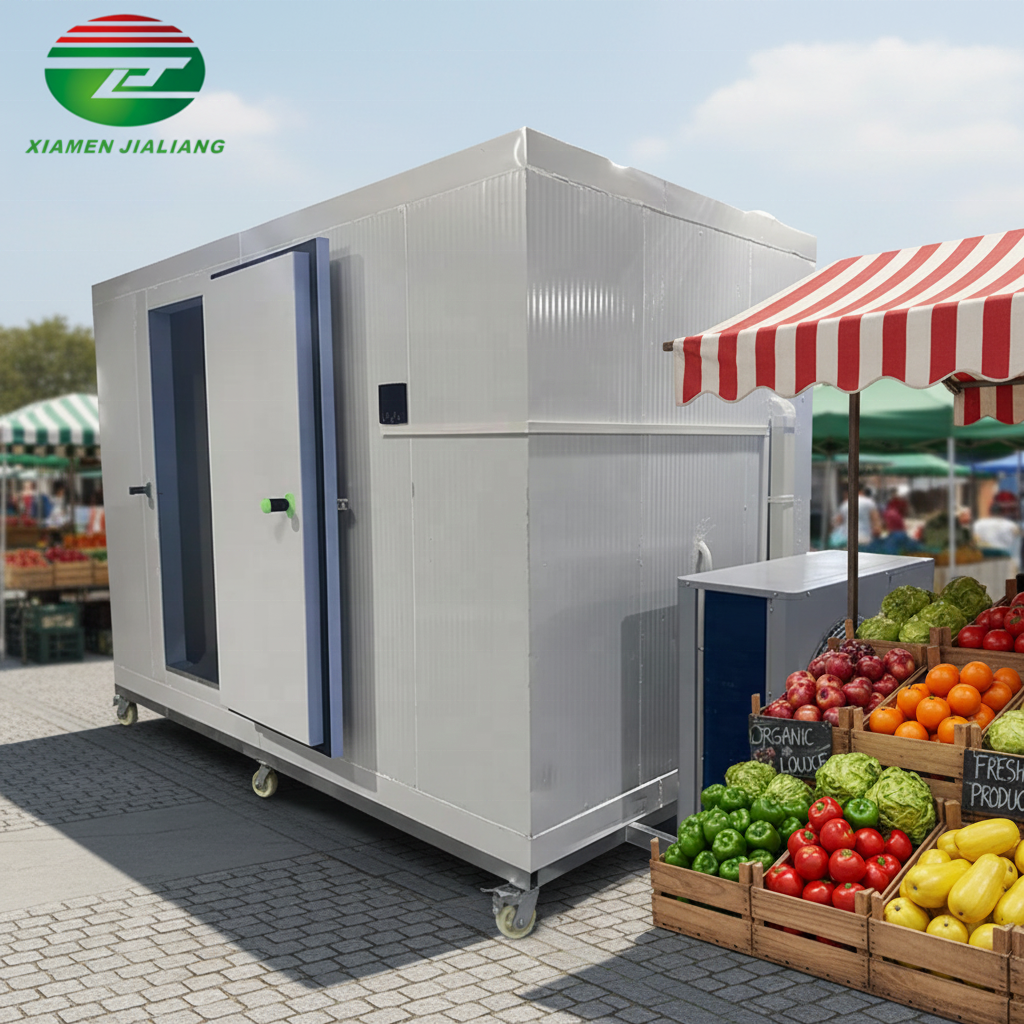
According to the design temperature inside the warehouse, it can be divided into high-temperature cold storage, medium temperature cold storage, low-temperature cold storage, and ultra-low temperature cold storage.
The temperature of high-temperature cold storage is generally maintained at 0 ℃~10 ℃, mainly used to store fresh goods such as vegetables, fruits, dairy products, etc;
Medium temperature cold storage is mostly controlled at -18 ℃~0 ℃, suitable for storing conventional frozen products such as meat and aquatic products;
The temperature of low-temperature cold storage is generally between -25 ℃ and -18 ℃, mainly used for long-term storage of frozen fresh and frozen food, with higher requirements for temperature stability;
Ultra low temperature cold storage can reach temperatures below -30 ℃ and is commonly used for storing special pharmaceutical products, deep-sea fishing, and other goods with special requirements for low-temperature environments.
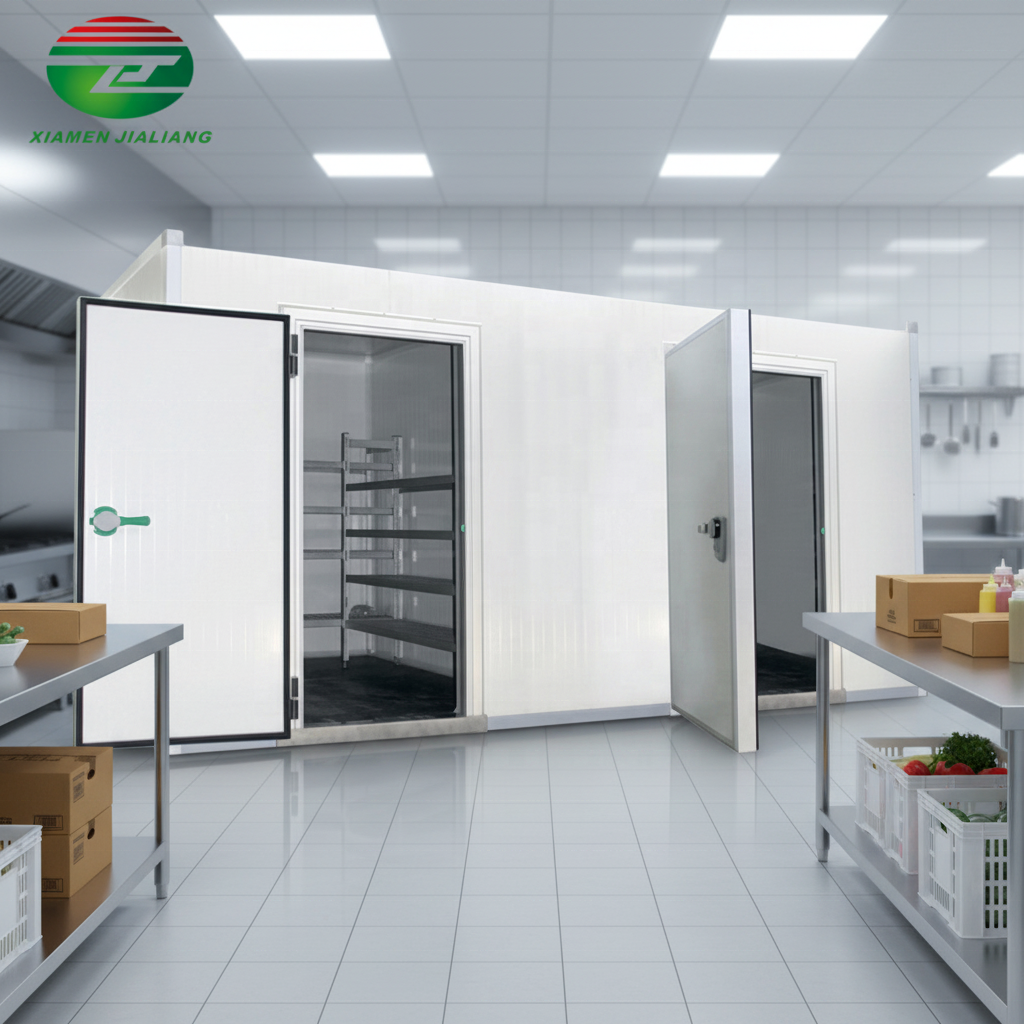
In addition to the two common classification methods mentioned above, there are also some cold storage facilities that are classified according to their structural form and construction scale.
According to the structural form, it can be divided into civil cold storage and prefabricated cold storage
Civil cold storage is a traditional type of cold storage, with multiple insulation layers installed on-site, low construction costs, long service life, and suitable for large and medium-sized fixed storage scenarios;
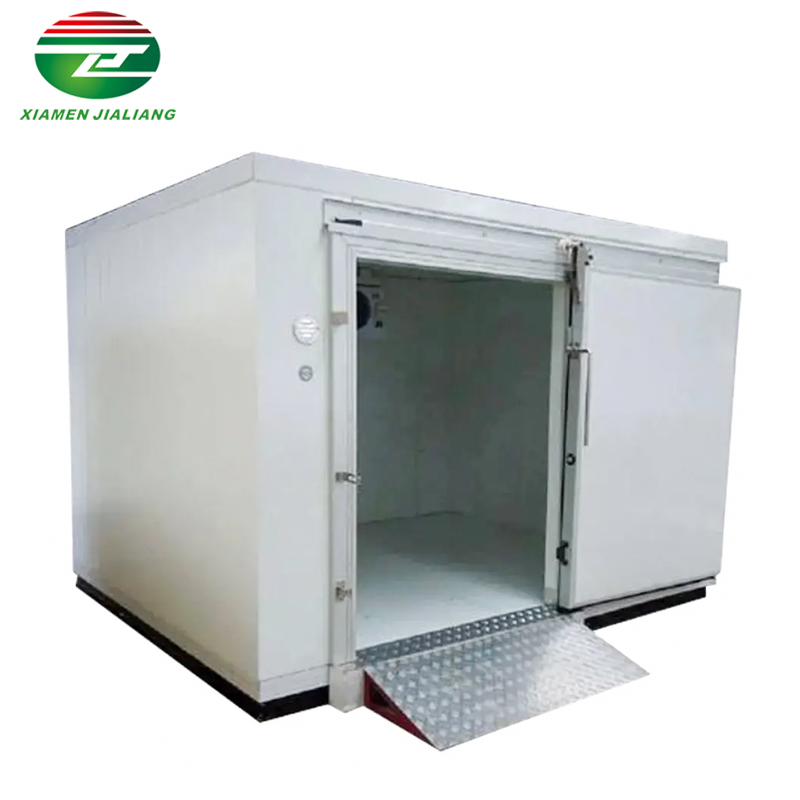
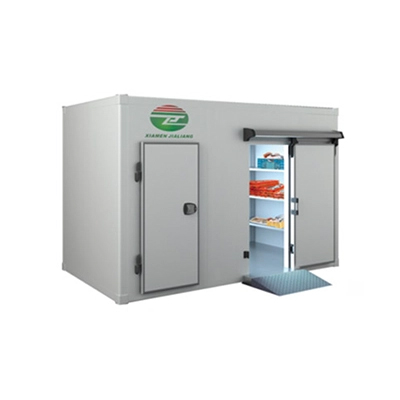
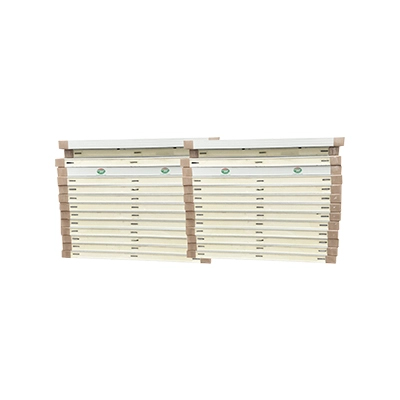
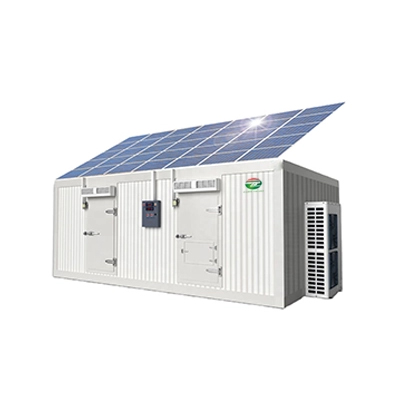
Prefabricated cold storage facilities often use prefabricated insulation panels for on-site splicing and construction, with a short construction period and flexible disassembly and modification capabilities. They are mostly used for temporary storage needs in small and medium-sized enterprises.
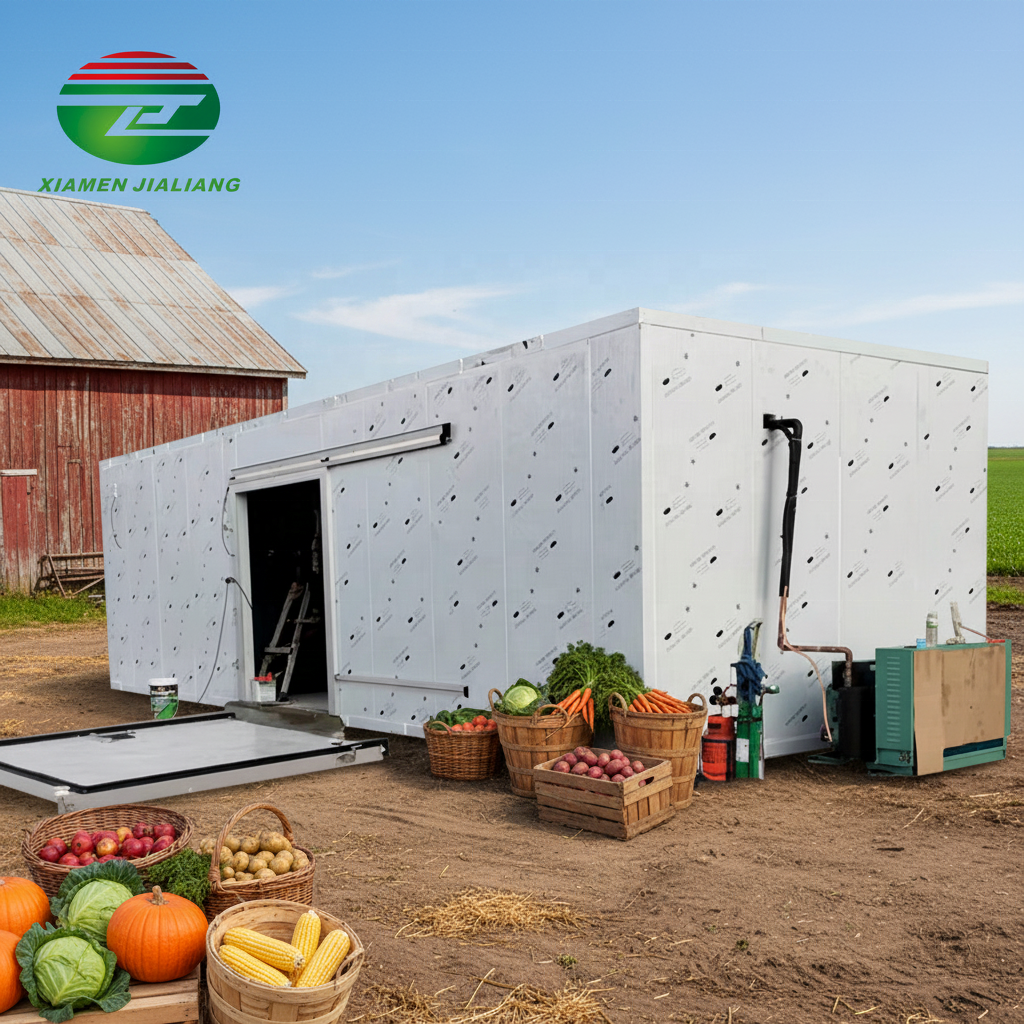
In practical projects, choosing the type of cold storage requires a comprehensive judgment based on its own usage scenario, storage goods type, turnover needs, and budget costs. If it is a fresh food processing project in the production area, it is more suitable to choose a productive civil construction cold storage to ensure long-term stable storage efficiency; If it is a temporary storage requirement for urban retail outlets, prefabricated small retail cold storage can flexibly adapt to the site and meet the high-frequency turnover needs; If storing special goods such as pharmaceuticals and special reagents, it is necessary to customize a dedicated cold storage that meets industry regulatory requirements to ensure compliance and product safety during the storage process.
Reasonably selecting the right type of cold storage not only ensures the quality and safety of stored goods, but also optimizes construction and operation costs, improves resource utilization efficiency, and avoids unnecessary waste. With the development of the cold chain logistics industry, the classification of cold storage will continue to be refined, adapting to more diverse storage scenarios and providing more suitable solutions for low-temperature storage in various fields.
For more information, please visit www.coldroomjl.com