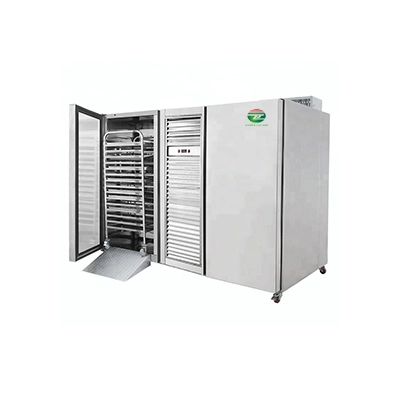
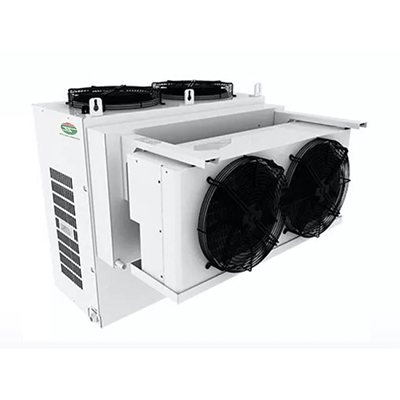
Hotel Cold Room: Storage Solution to Ensure Freshness
High-Accuracy Temperature Control
Hotel Cold Room: Storage Solution to Ensure Freshness
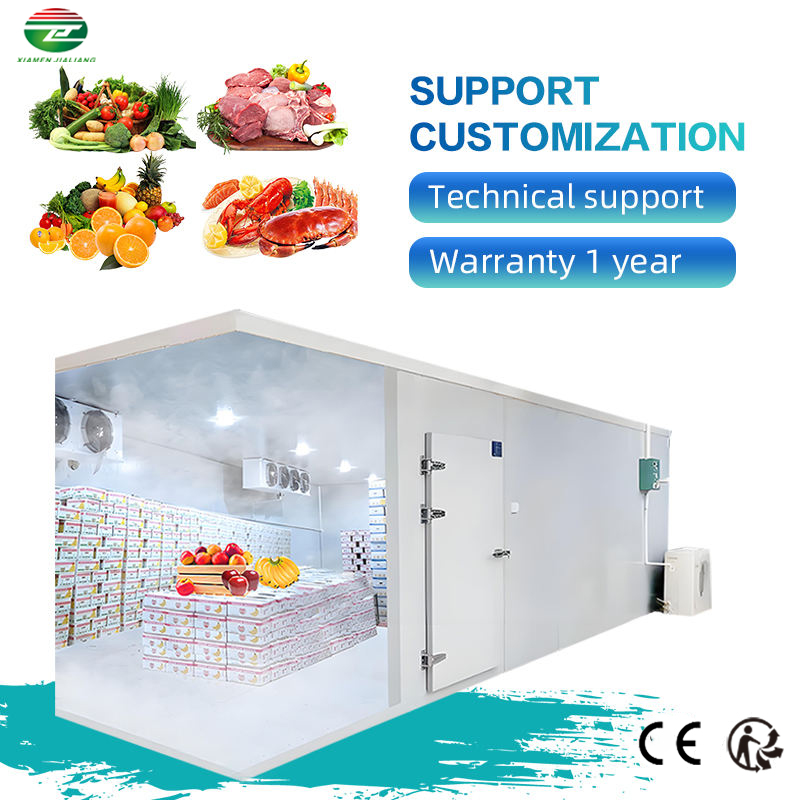
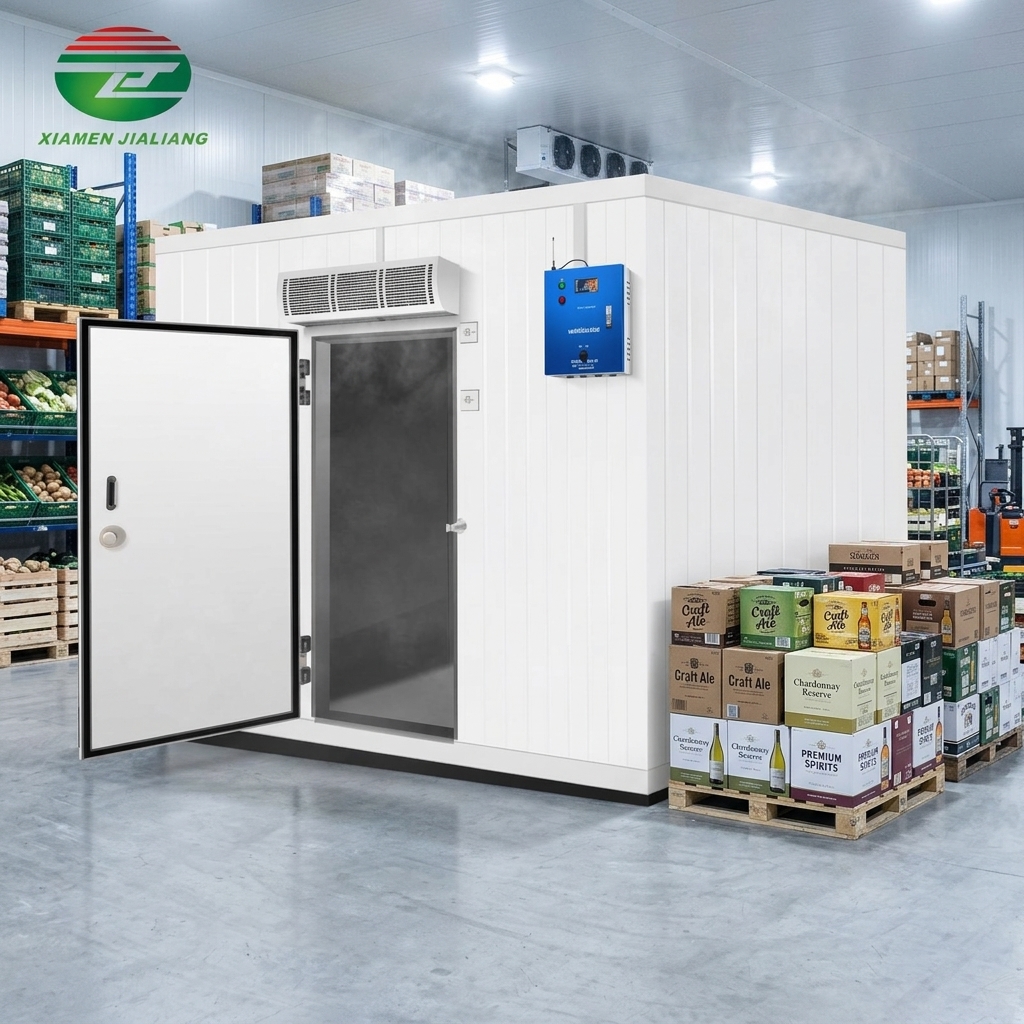
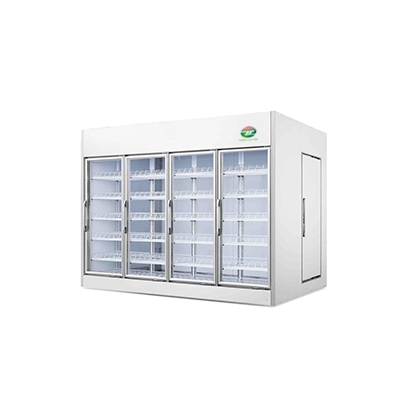
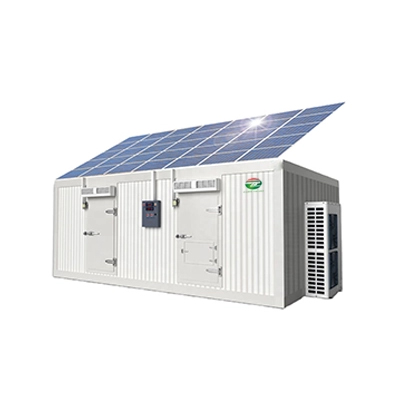
Hotel cold storage is a dedicated refrigerated facility used for storing perishable items such as ingredients and semi-finished products, serving as a critical component of the hotel's catering supply chain. Depending on storage requirements, it is typically categorized into different temperature zones, including high-temperature storage and low-temperature storage. High-temperature storage is primarily used for fresh fruits, vegetables, and beverages, with temperatures usually maintained between 0°C and 10°C. Low-temperature storage, on the other hand, is designed for frozen ingredients like meat and seafood, with temperatures as low as -18°C or below. This effectively extends the shelf life of ingredients, reduces spoilage, and helps hotels ensure a stable supply of various dishes.
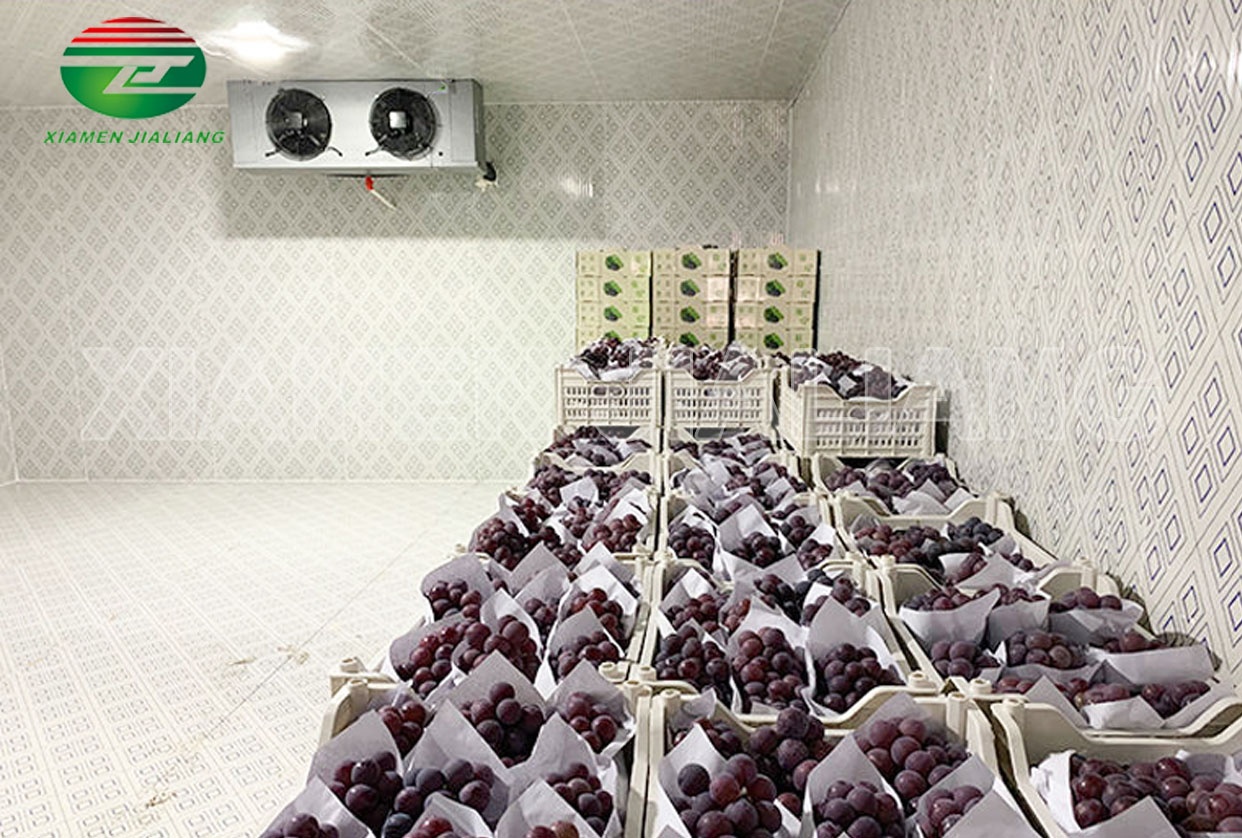
In addition to being classified by temperature, hotel cold storage can also be divided into raw material storage and semi-finished product turnover warehouses, corresponding to the storage of bulk-purchased raw ingredients and the temporary storage of processed semi-finished products awaiting production, respectively. This meets the storage needs of different operational scenarios in hotels. Compared to ordinary commercial refrigerators, hotel cold storage offers greater storage capacity, higher temperature control precision and stability, and can meet the daily demand for large quantities of food storage in hotels. Under proper maintenance and management, it also better balances storage efficiency and operational energy consumption, helping hotels control operational costs and ensure food safety in the catering process.
However, some small and medium-sized hotels are unable to build dedicated cold storage facilities on their own due to limitations in space and cost. In this case, they can choose to rent external commercial cold storage to meet their food storage needs. In daily operations, simply extract ingredients on time based on business usage. This approach not only reduces initial investment costs, but also leverages the operational capabilities of professional cold storage to ensure the quality of food storage, making it very suitable for the light asset operation mode of small and medium-sized hotels.
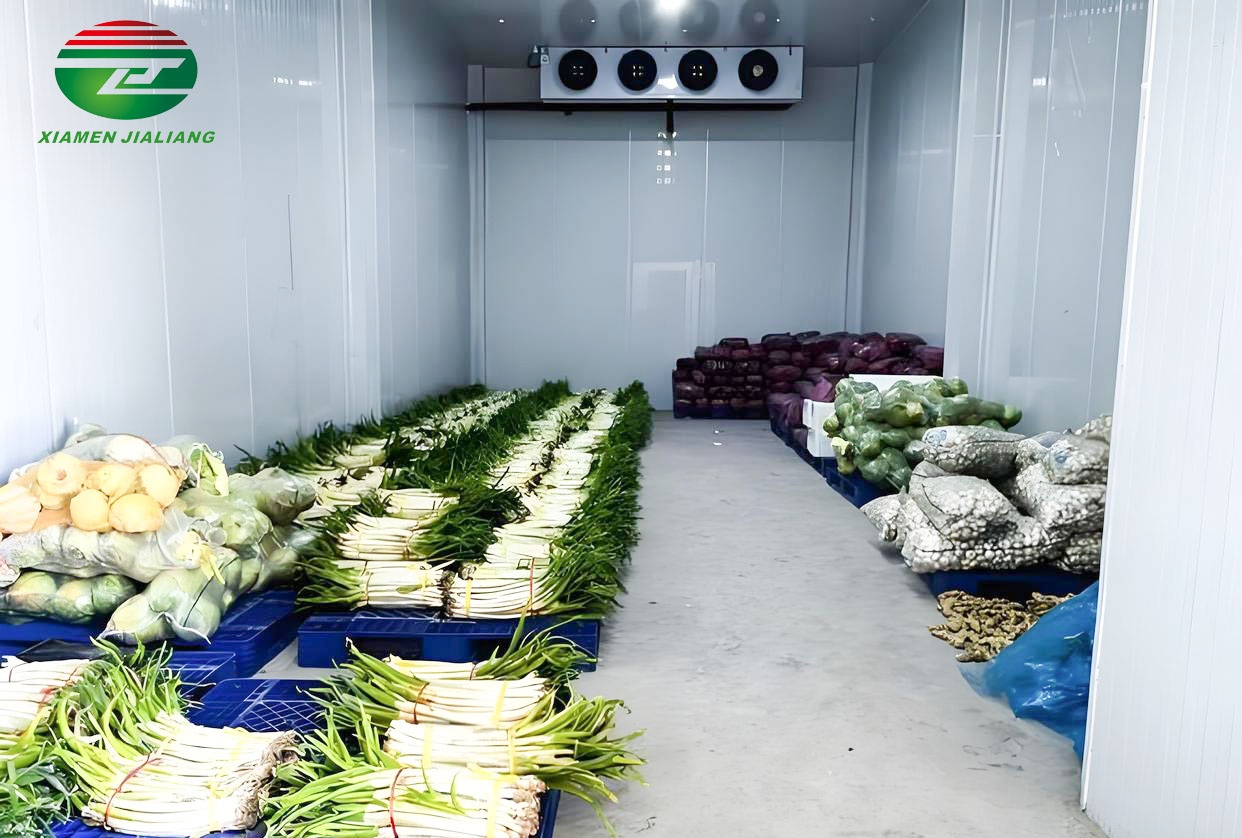
Maintenance and management are crucial in the daily operation of hotel cold storage facilities.
Firstly, it is necessary to regularly clean the interior of the cold storage and promptly remove expired and spoiled ingredients to ensure a clean and tidy environment and prevent bacterial growth from contaminating other stored ingredients.
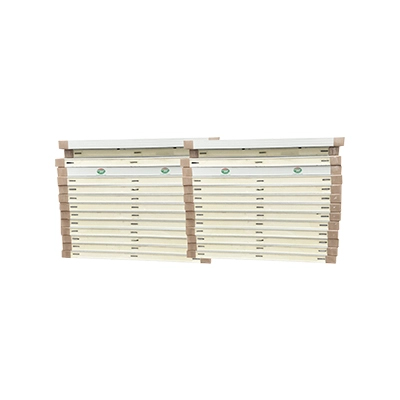
Secondly, it is necessary to regularly check the sealing condition of the cold storage to prevent cold capacity leakage, as cold capacity leakage can increase energy consumption and temperature fluctuations, thereby affecting the storage efficiency of ingredients.
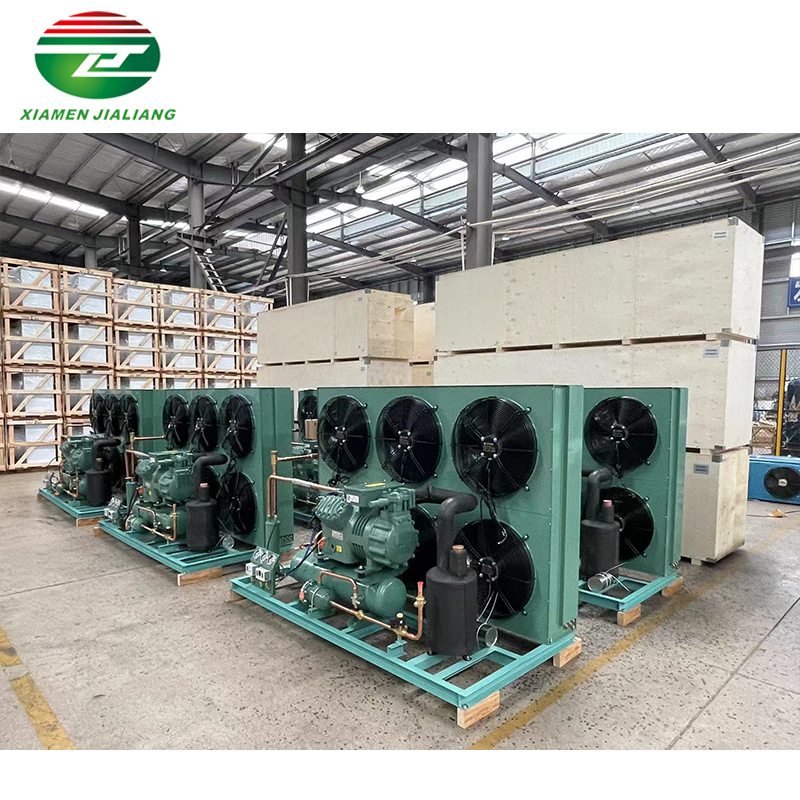
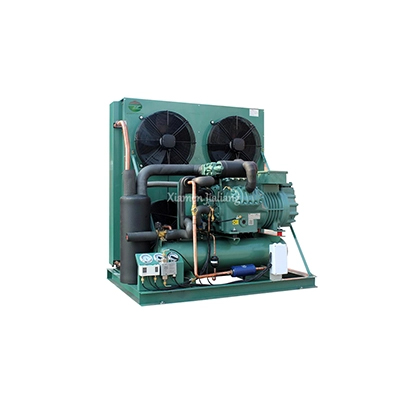
In addition, inspection and maintenance work should be carried out on core equipment such as refrigeration units and temperature control systems according to a certain cycle, in order to timely detect and deal with equipment failures and hidden dangers, and ensure the continuous and stable operation of the cold storage. In this way, the cold storage can play its role in the long term and provide reliable support for the hotel's catering operations.
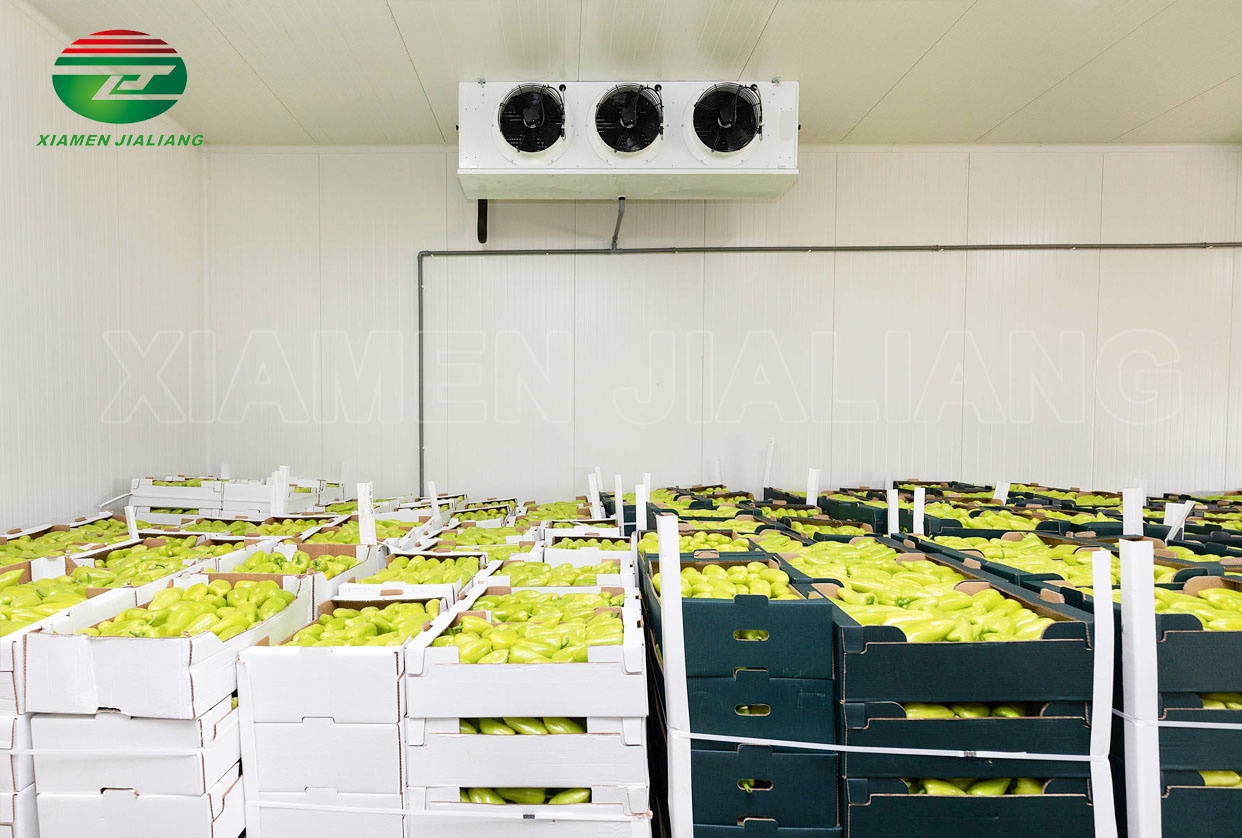
Hotel cold rooms play a crucial role in modern retail industry. They provide safe, durable, and efficient storage solutions to maintain the freshness and quality of food and perishable goods. Hotel cold rooms not only enrich the hotel's product selection, reduce losses and waste, but also promote the stability and sustainability of the supply chain. With the advancement of technology and design, people believe that future hotel cold rooms will play a greater role in providing better storage conditions and more efficient operations.
For more information, please visit www.coldroomjl.com.