
Sep
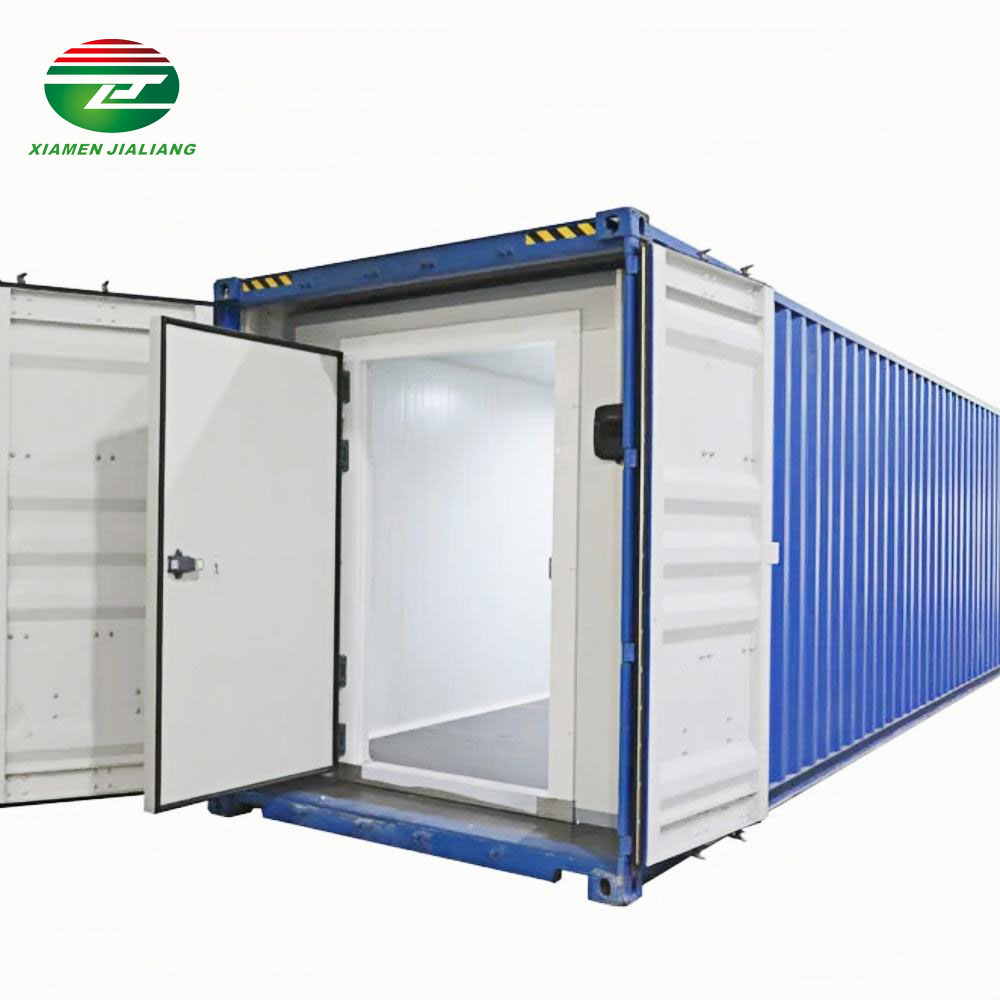
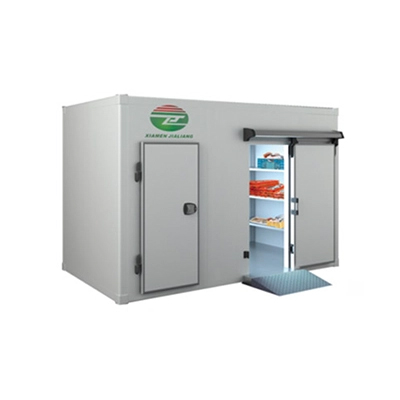
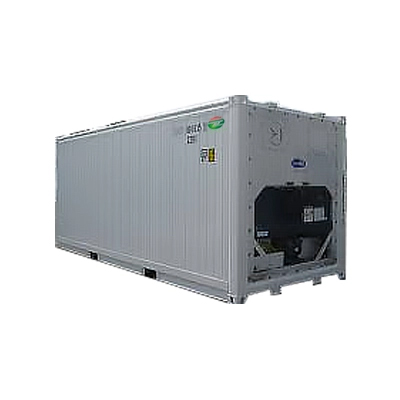
- 20GP and 40HQ Container: Dimensions, Differences and Cold Room Applications
- 17th Sep 2026
- Learn the difference between 20GP and 40HQ containers. Explore container cold room solutions, specifications, applications, and how to choose the right refrigerated container.
Sep
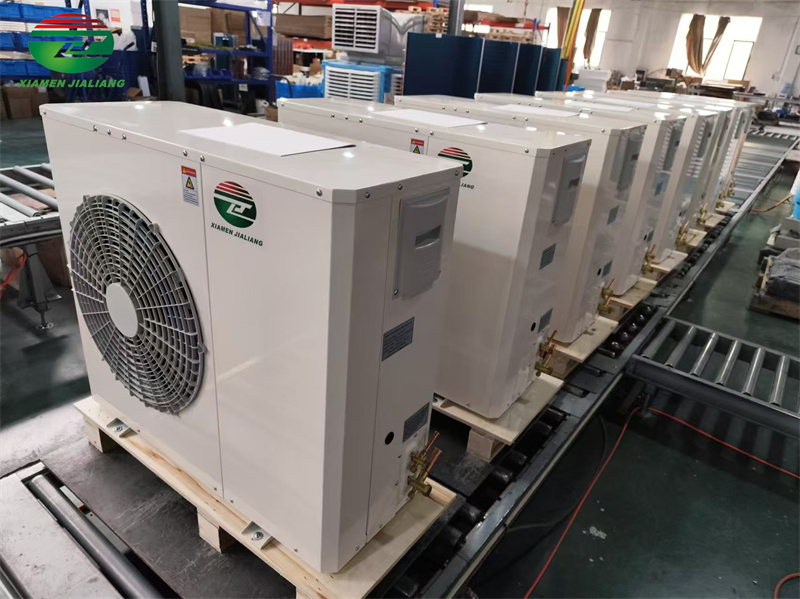
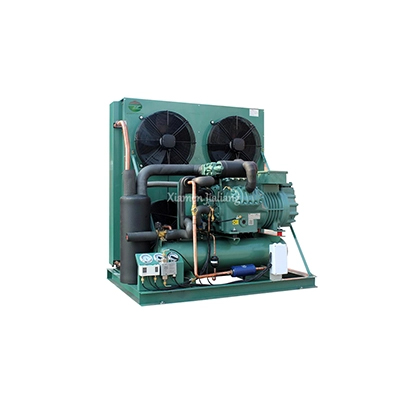
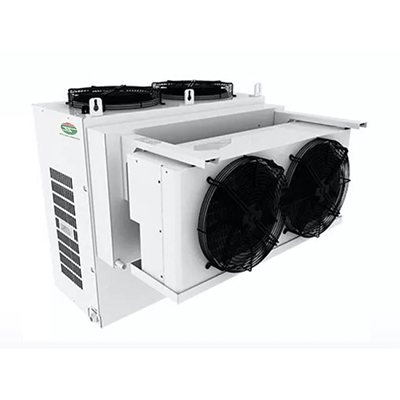
- ZB Series Condensing Unit: Efficient and Reliable Refrigeration for Commercial Applications
- 09th Sep 2026
- Stable Performance: Ensures reliable cooling across various temperature ranges. Adjustable Energy Efficiency: Optimizes energy consumption for cost savings. Easy Maintenance: Simplifies upkeep for long-term reliability.
Sep
- Slaughterhouse Cold Storage Solutions: Ensuring Meat Safety and Improving Processing Efficiency
- 04th Sep 2026
- The cold storage in the slaughterhouse is primarily used for temporarily storing live livestock awaiting processing to maintain their freshness and prevent premature spoilage. It also serves to store finished products such as cut meat and by-products after slaughter and processing, utilizing the low-temperature environment to inhibit microbial growth, extend product shelf life, and ensure stable meat quality.
Aug
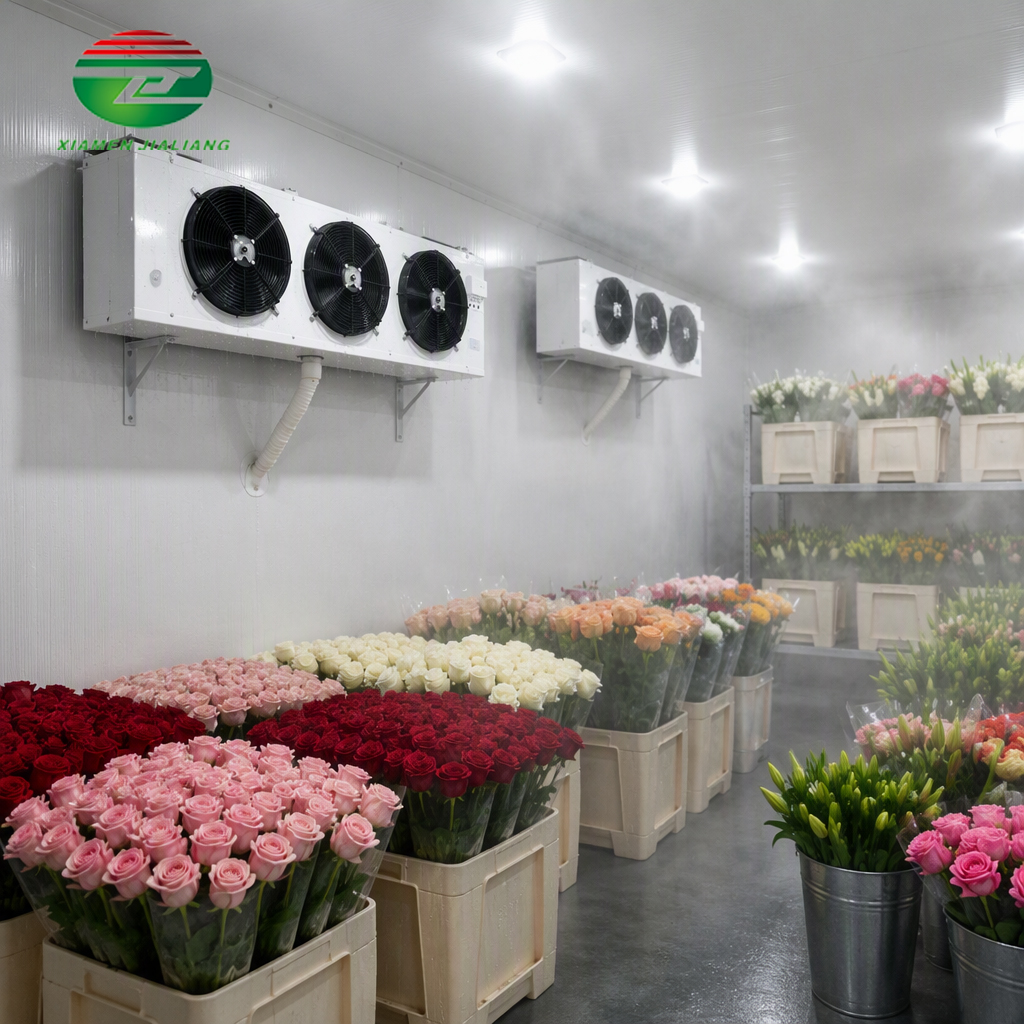
- Flower Cold Room: How to Extend Fresh Flower Shelf Life and Reduce Losses
- 28th Aug 2026
- Fresh-cut flowers begin to deteriorate soon after harvesting. High temperatures accelerate respiration and moisture loss, which may cause wilting petals, dehydrated stems, and a shorter vase life. For flower farms, wholesalers, florists, wedding suppliers, and flower import/export companies, a professional flower cold room is an effective solution for maintaining flower quality and reducing product losses.
Aug
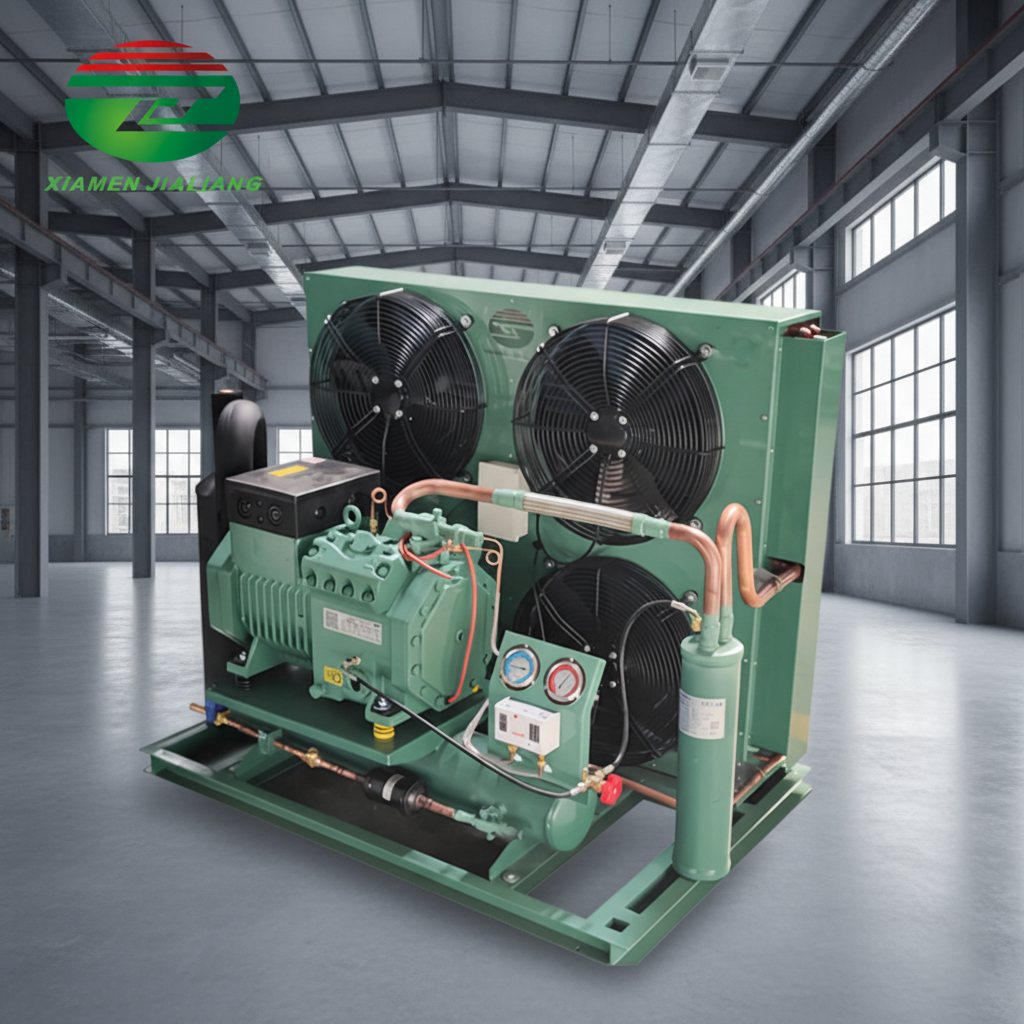
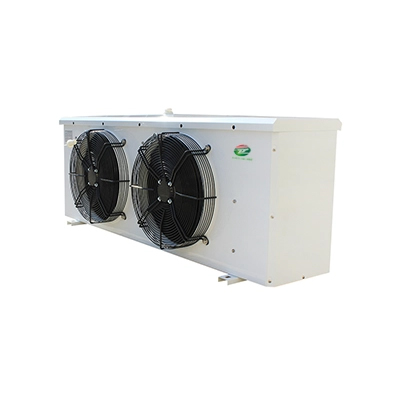
- Refrigeration Condensing Unit: The Core Component of Efficient Cold Storage Systems
- 21st Aug 2026
- A refrigeration condensing unit is one of the most important components in a cold storage refrigeration system. Its main function is to remove heat from the refrigerant and complete the refrigeration cycle to maintain a stable low-temperature environment.
Aug
- How to Choose the Right Cold Room for Different Applications
- 15th Aug 2026
- Choosing the right cold room is essential for maintaining product quality, reducing food waste, and improving energy efficiency. Different products require different storage temperatures, humidity levels, refrigeration systems, and cold room configurations.
Aug
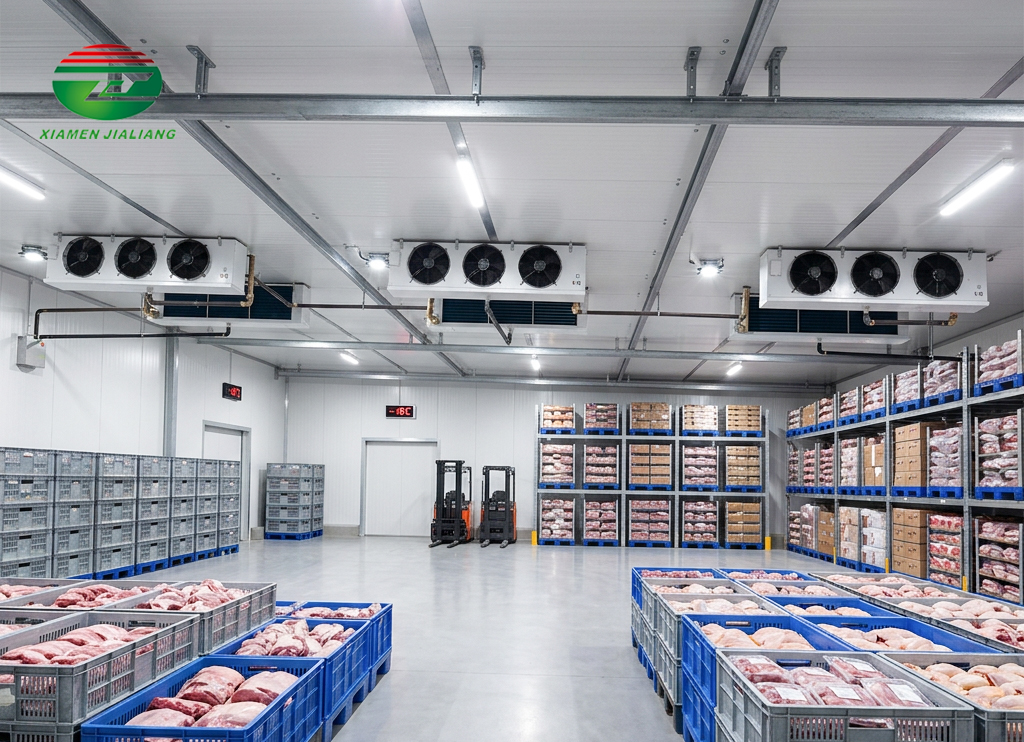
- The Influence and Control Requirements of Cold Room Storage Temperature
- 07th Aug 2026
- The storage temperature of the cold storage needs to be flexibly adjusted based on the type of goods, storage turnover time, seasonal environment, stacking situation, and storage status. At the same time, full temperature control monitoring and equipment calibration should be carried out to promptly deal with temperature anomalies, while ensuring the quality of goods storage and reducing operational energy consumption and losses.
Jul
- Benefits of Meat Cold Storage and Catering Site Selection
- 30th Jul 2026
- Use cold storage to store large quantities of meat. The huge capacity, superior freshness, flexible temperature control and zoning management, as well as energy-saving and environmentally friendly characteristics of cold storage