Solar powered Container Cold Storage: Innovative Cold Chain Solution
Enables convenient operation and monitoring via a remote
Solar powered Container Cold Storage: Innovative Cold Chain Solution
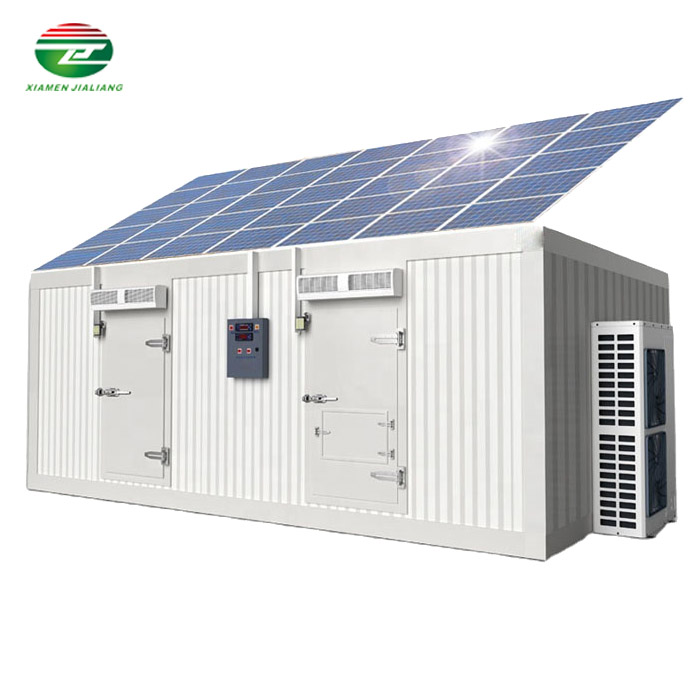
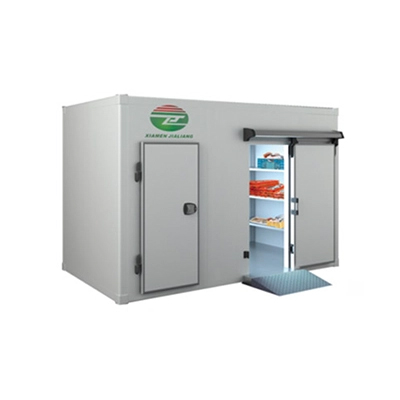
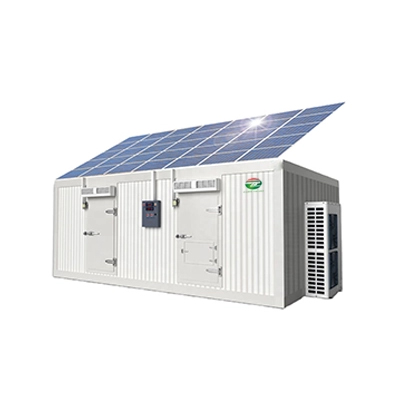
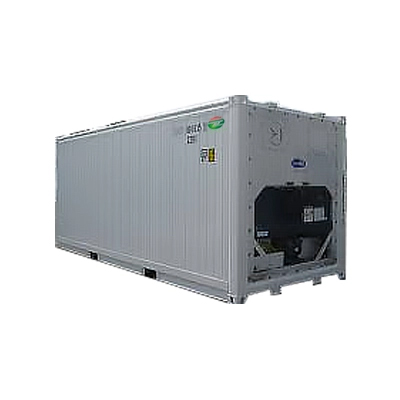
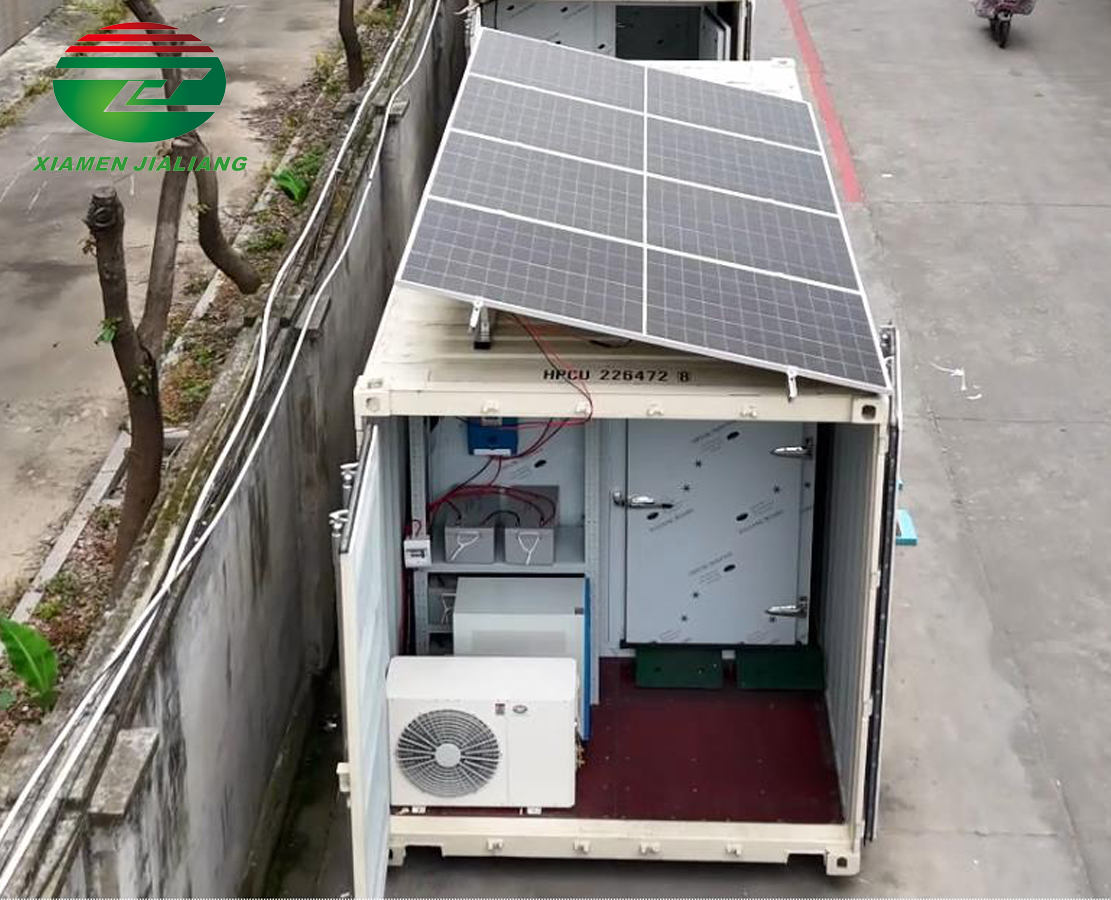
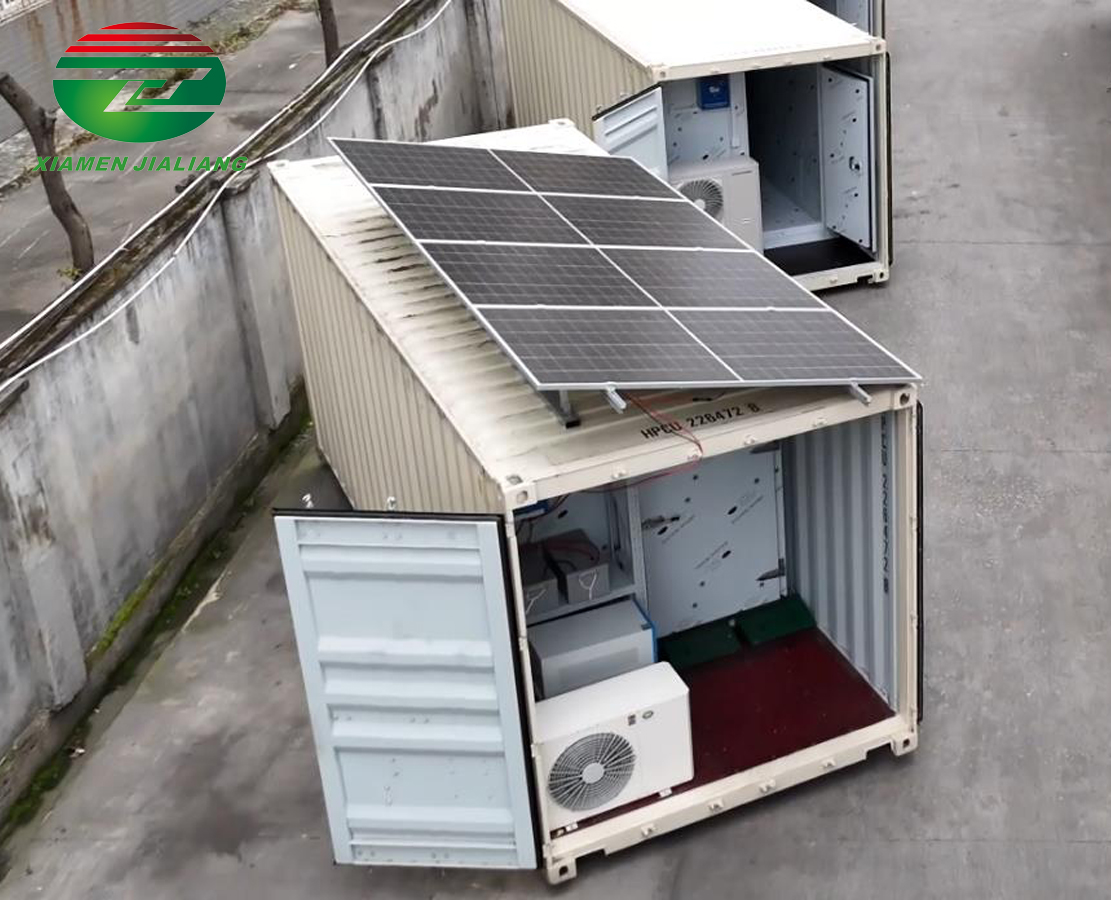
Solar-powered container cold storage is an innovative cold chain storage device that combines photovoltaic solar power generation technology with container-based cold storage. It primarily consists of a standard container body, solar panel array, energy storage system, refrigeration unit, and intelligent control system. The container body undergoes professional insulation treatment to effectively prevent heat exchange between the interior and exterior, providing a stable low-temperature environment for goods storage. Solar panels are typically installed on the top or open areas around the container to maximize solar energy utilization for power generation.
The generated electricity is directly supplied to the refrigeration unit, while the remaining portion is stored in the energy storage battery, ensuring continuous power supply during periods of insufficient sunlight or at night, thus maintaining the cold storage's refrigeration function. This design eliminates reliance on traditional power grids, making it particularly suitable for remote areas, emergency disaster relief sites, pre-cooling at agricultural product production locations, and mobile logistics scenarios. It not only reduces operational costs but also lowers carbon emissions, delivering significant economic and environmental benefits.
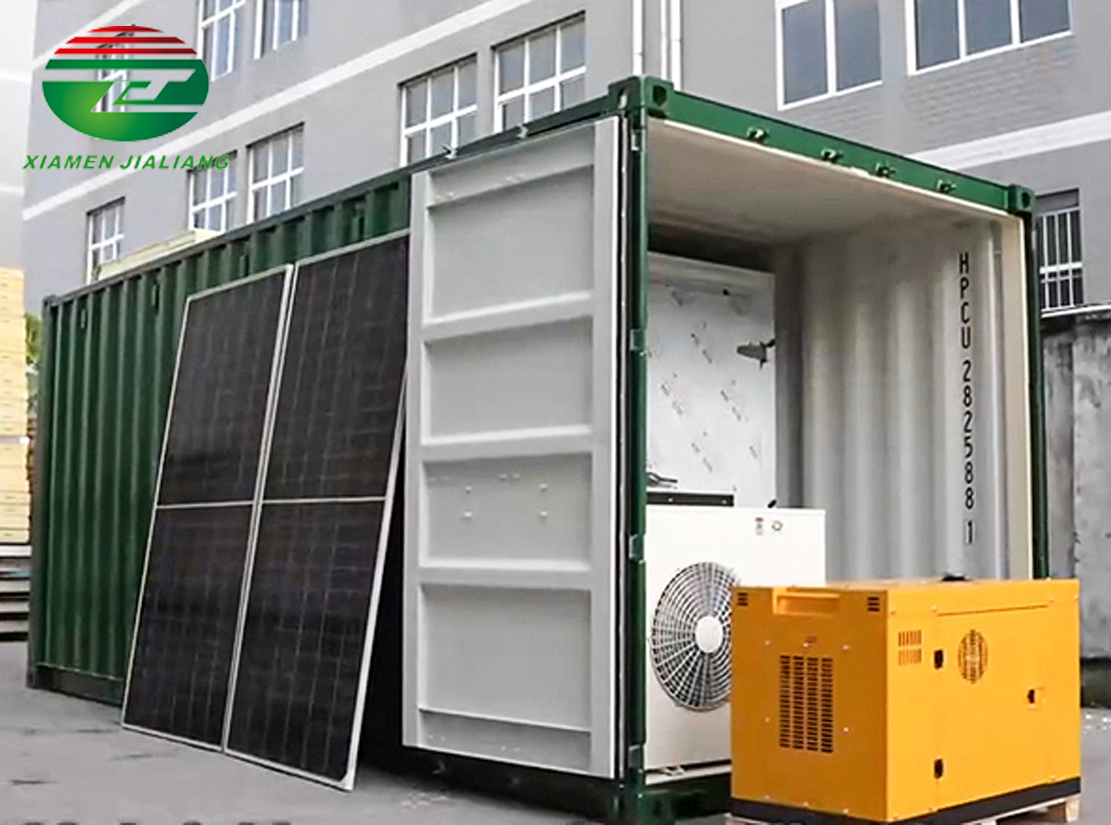
Solar container cold storage achieves stable operation through the coordinated functioning of a photovoltaic power generation system, energy storage system, refrigeration system, and intelligent control system, with the specific process as follows:
Photovoltaic power generation and energy conversion
The solar panels installed on the top of the container convert sunlight into direct current, which is then converted into alternating current through an inverter. Part of the electricity is directly supplied to the refrigeration equipment, lighting, and control systems of the cold storage, while the remaining excess power is stored in lithium battery packs to ensure continuous energy supply on cloudy or nighttime days.
Operating mechanism of refrigeration system
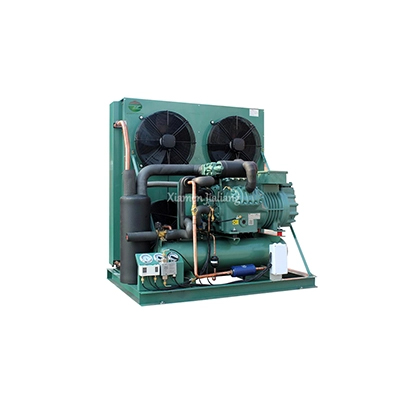
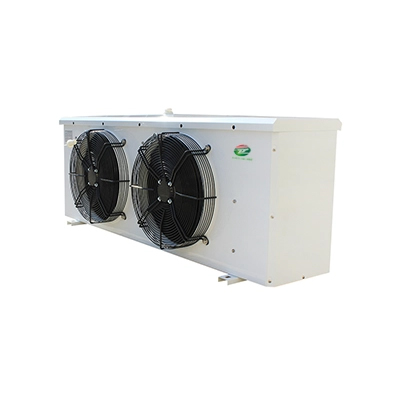
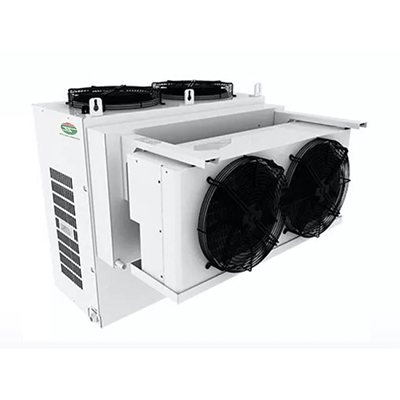
The refrigeration unit adopts a DC variable frequency compressor and is driven by photovoltaic or energy storage power. The refrigerant is compressed into high-temperature and high-pressure gas by the compressor, enters the condenser for heat dissipation and liquefaction, and then is throttled and depressurized through the expansion valve. It absorbs heat from the cold storage in the evaporator and vaporizes into gas. The circulation process reduces the temperature inside the storage to the set value (usually -18 ℃~4 ℃).
Energy Storage and Energy Management
Lithium battery packs charge and discharge dynamically based on light intensity: prioritize the use of photovoltaic power when there is sufficient light, and store surplus electricity; If the lighting is insufficient or at night, switch to energy storage power supply. If the energy storage capacity is below the threshold, automatically start the backup mains power or diesel generator to supplement and ensure uninterrupted cooling.
Container Structure and Insulation Design
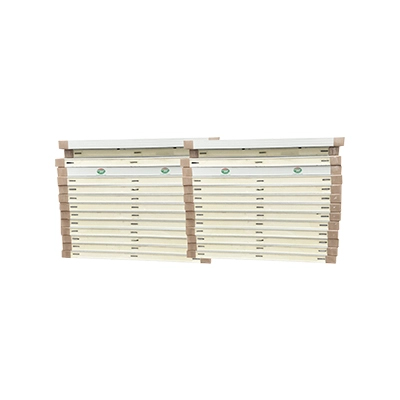
The inner wall of the container adopts polyurethane foam insulation layer (thickness ≥ 100mm), combined with sealed doors and anti cold bridge design, to reduce the loss of cold capacity. The top photovoltaic panel is installed at an angle to maximize lighting efficiency, and the bottom is equipped with ventilation devices and shock-absorbing structures to adapt to different installation environments.
The advantages of solar powered container cold storage are significant. In terms of energy self-sufficiency, it relies on solar photovoltaic power generation technology to operate independently in areas without grid coverage, greatly expanding the application scope of cold chain storage, especially suitable for remote rural areas or outdoor work scenarios with incomplete power infrastructure.
From an environmental perspective, this cold storage uses clean energy as its main energy source, significantly reducing reliance on traditional fossil fuels and fundamentally reducing carbon emissions and environmental pollution, in line with the current global trend of sustainable development.
In terms of economic cost, although the initial investment includes the cost of photovoltaic systems and energy storage equipment, in the long run, solar energy is a free energy source that can significantly reduce electricity expenses during the operation phase, and maintenance costs are relatively low. As the usage time increases, the return on investment benefits will gradually become prominent.
If you would like to learn more about Solar powered Container Cold Storage, please contact us. Our website is www.coldroomjl.com.