Tuna Cold Room: From Storage Management to Industrial Promotion
Ensures precise temperature control for optimal food preservation
Tuna Cold Room: From Storage Management to Industrial Promotion
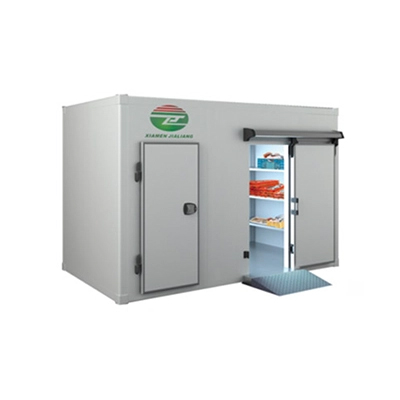
Tuna cold room is an ultra-low temperature storage facility designed specifically for storing tuna meat. Due to the tender and rich unsaturated fatty acids in tuna meat, it is easy to quickly deteriorate and oxidize fat at room temperature or even ordinary refrigeration temperature. Therefore, it is necessary to maintain a constant ultra-low temperature environment to lock in freshness. The temperature in the cold room is usually controlled at minus 40-50 degrees Celsius. Some high-end storage cold rooms also adjust the storage temperature and humidity according to the different cutting parts of tuna, isolate external air and odors, and maximize the preservation of the original color and taste of tuna meat, providing reliable storage guarantee for subsequent transportation, processing, and sales.
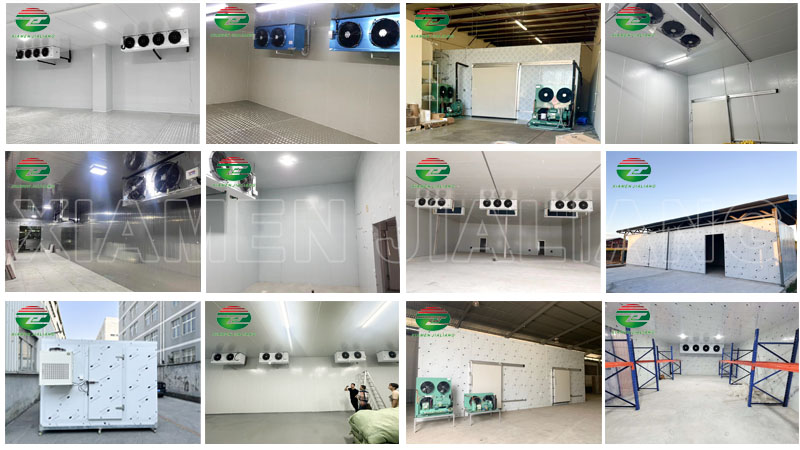
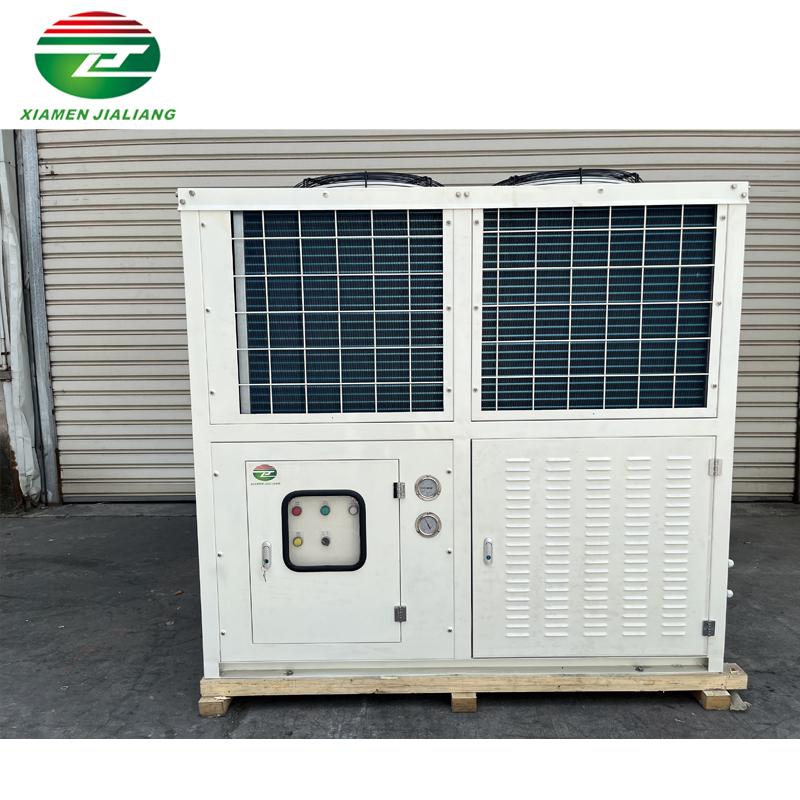
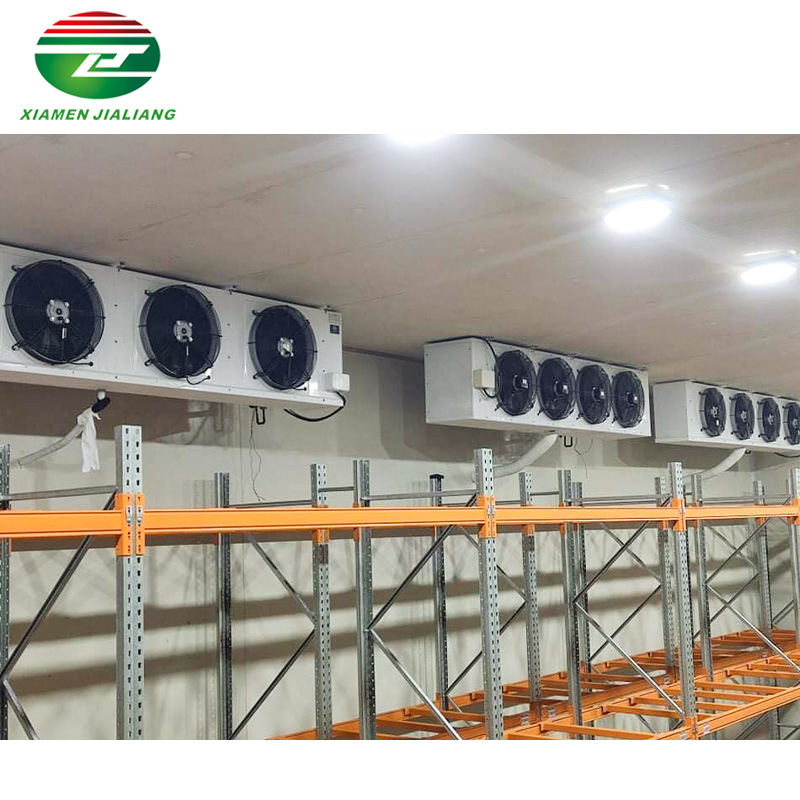
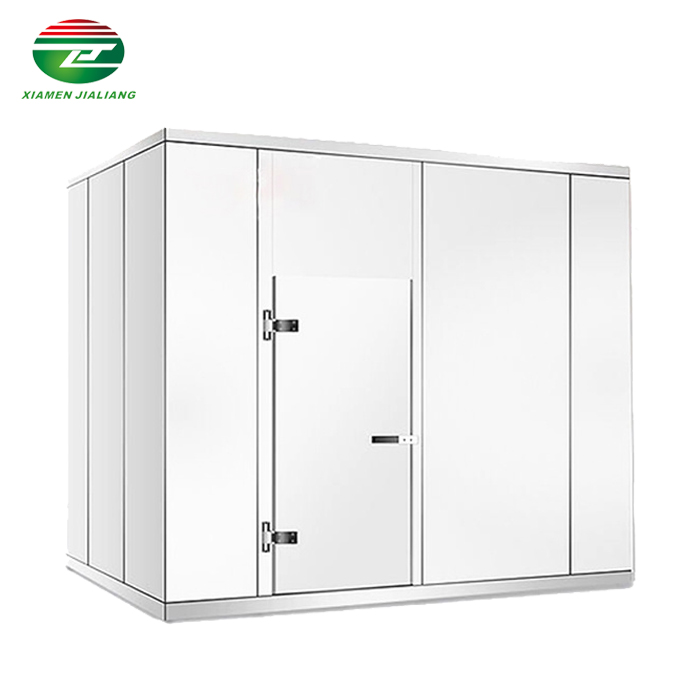
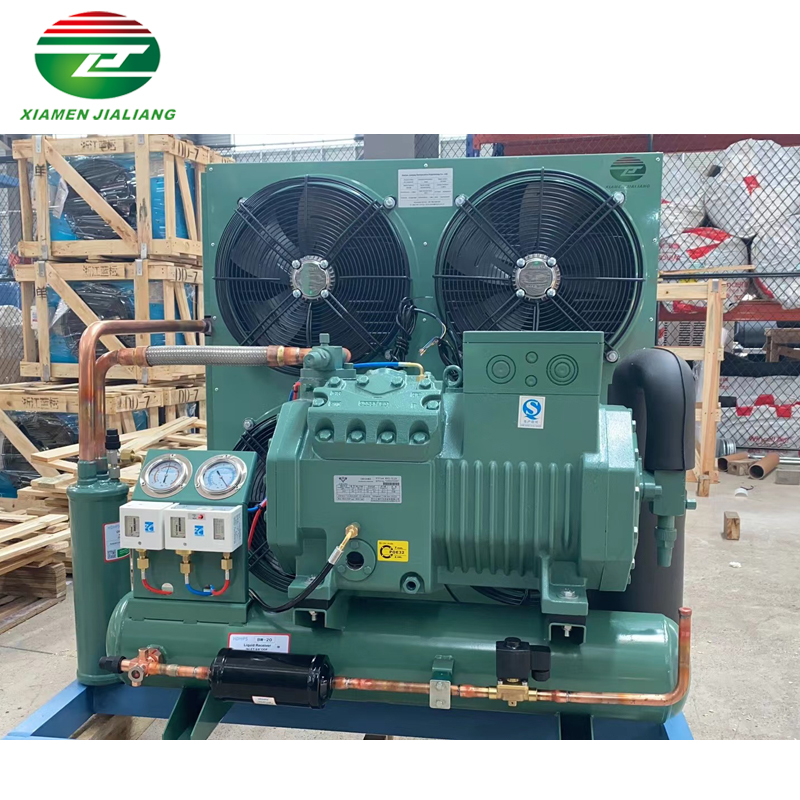
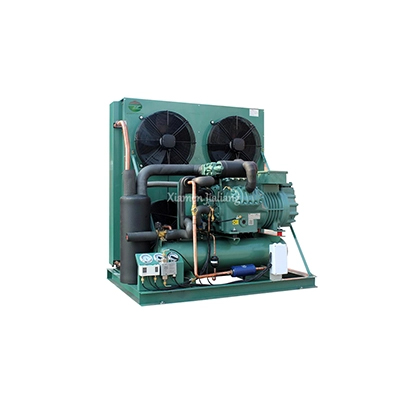
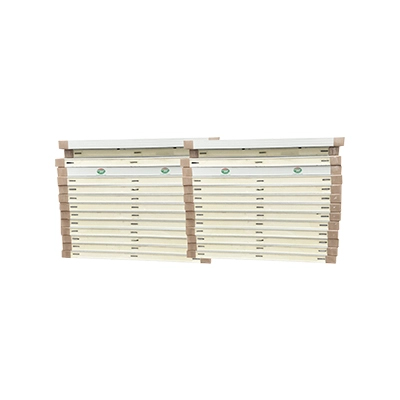
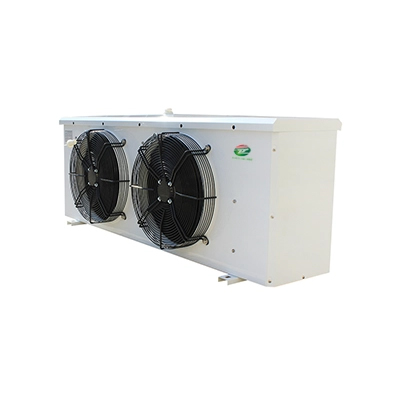
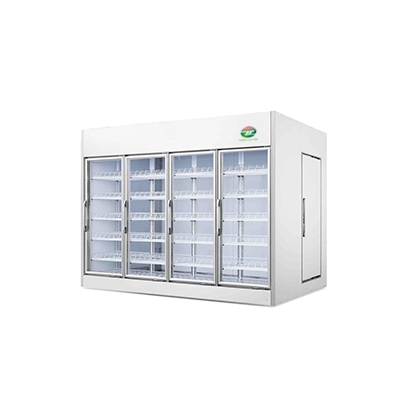
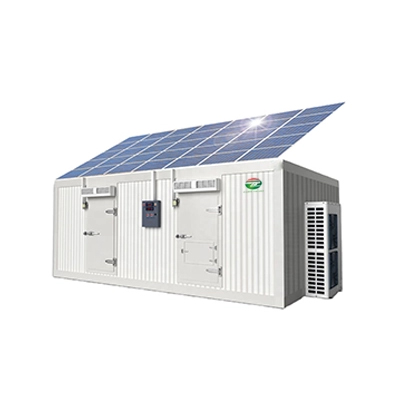
In order to maintain such a harsh low-temperature environment, tuna cold rooms generally use independent enclosed refrigeration systems, equipped with high-density insulation boards to build walls and storage doors, to prevent the leakage of cooling capacity. At the same time, multiple sets of temperature sensors will be installed in the cold room for real-time monitoring. Once there is a slight temperature deviation, the system will automatically adjust the cooling power to ensure that the temperature is always maintained within the set range, avoiding a decrease in quality of the stored tuna meat due to temperature fluctuations. The regulated tuna cold room also regularly cleans the storage environment, checks for condensation and frost, prevents residual odors and bacterial growth, and maintains the quality bottom line of tuna meat from the storage stage.
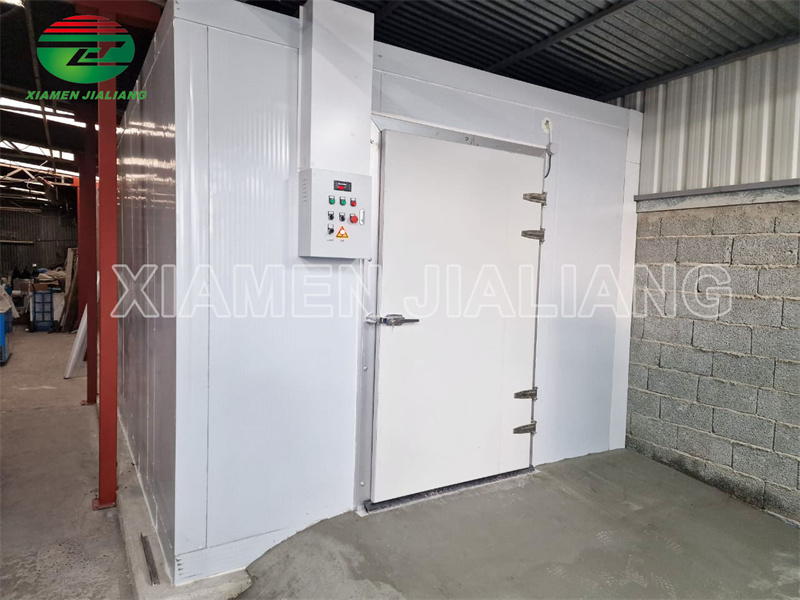
There are specialized storage management standards for tuna entering the cold room for storage. Newly caught tuna should be transferred to an ultra-low temperature chamber in the shortest possible time to minimize the exposure of tuna meat to room temperature. When entering the warehouse, it will be classified and stacked according to the fishing batch, tuna species, and cutting parts, and clearly labeled for quick retrieval in the future, to avoid significant temperature fluctuations in the cold room due to repeated door opening. When leaving the warehouse, the principle of first in, first out will be followed to prioritize the outflow of goods that were received earlier, in order to ensure that every serving of tuna meat that flows into the market can maintain stable high quality to the greatest extent possible.
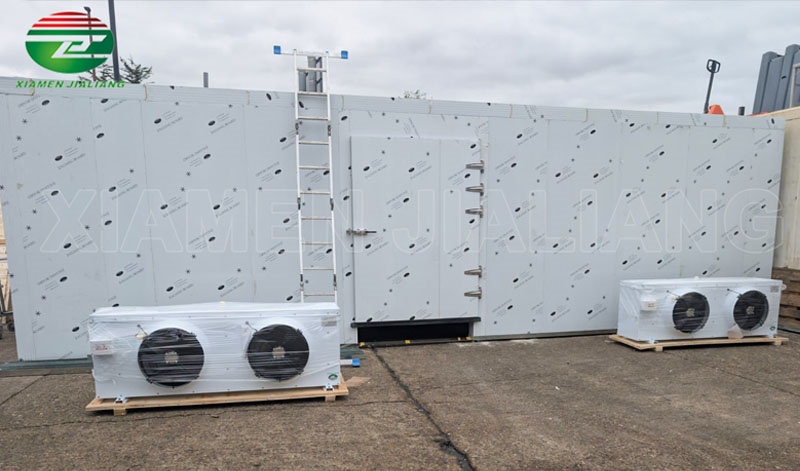
In addition to storage and management, the tuna cold room will also be specially designed for energy conservation and safety. Ultra low temperature storage has high energy consumption, and many modern cold rooms are equipped with intelligent energy management systems to dynamically adjust cooling operation strategies based on the total amount of stored goods and changes in ambient temperature, reducing unnecessary power consumption while maintaining stable temperature control. In terms of safety, the cold room will be equipped with multiple emergency alarm and escape devices to prevent workers from accidentally locking in the cold room and causing danger. At the same time, fire-fighting adaptation facilities will be equipped to deal with special safety hazards that may occur in low-temperature environments, ensuring the long-term stable operation of the cold room.
Relying on constantly upgrading temperature control technology and management standards, today's tuna cold rooms not only provide stable quality support for the high-end catering market, but also make cross regional tuna trade a norm. Consumers can taste high-quality tuna meat that is close to freshly caught in inland cities far from fishing ports, promoting the circulation and development of the tuna industry.
For more information, please visit www.coldroomjl.com.