How to Choose the Right Cold Room for Different Applications
There is no single cold room design that is suitable for every application.
How to Choose the Right Cold Room for Different Applications
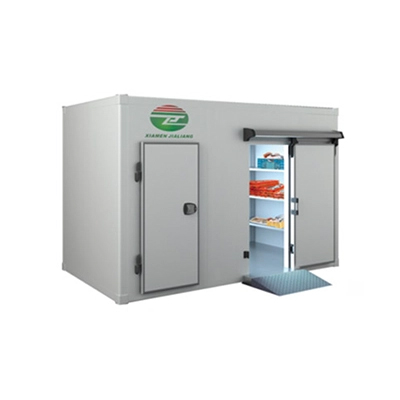
Choosing the right cold room is essential for maintaining product quality, reducing food waste, and improving energy efficiency. Different products require different storage temperatures, humidity levels, refrigeration systems, and cold room configurations.
When selecting a cold storage solution, it is important to consider not only the size of the cold room, but also the type of products being stored, required temperature range, daily loading volume, storage period, installation environment, and local power supply.
This guide explains how to choose the most suitable cold room for different applications.
1. Cold Room for Fruits and Vegetables
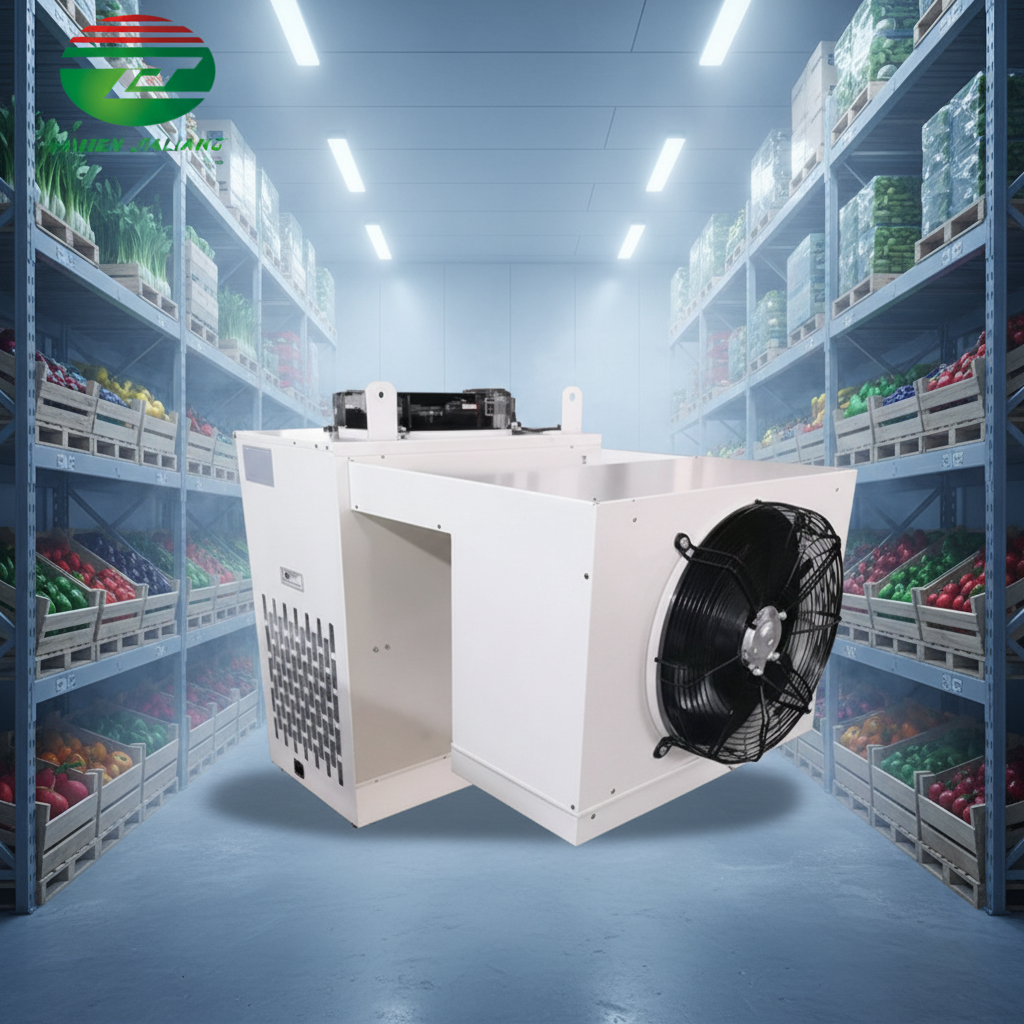
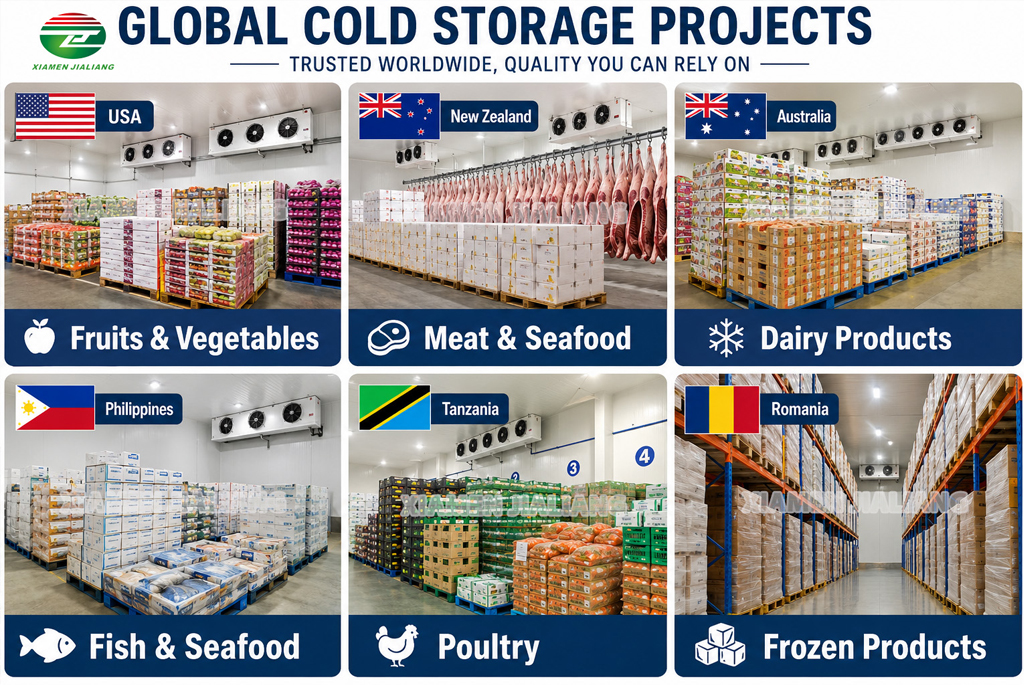
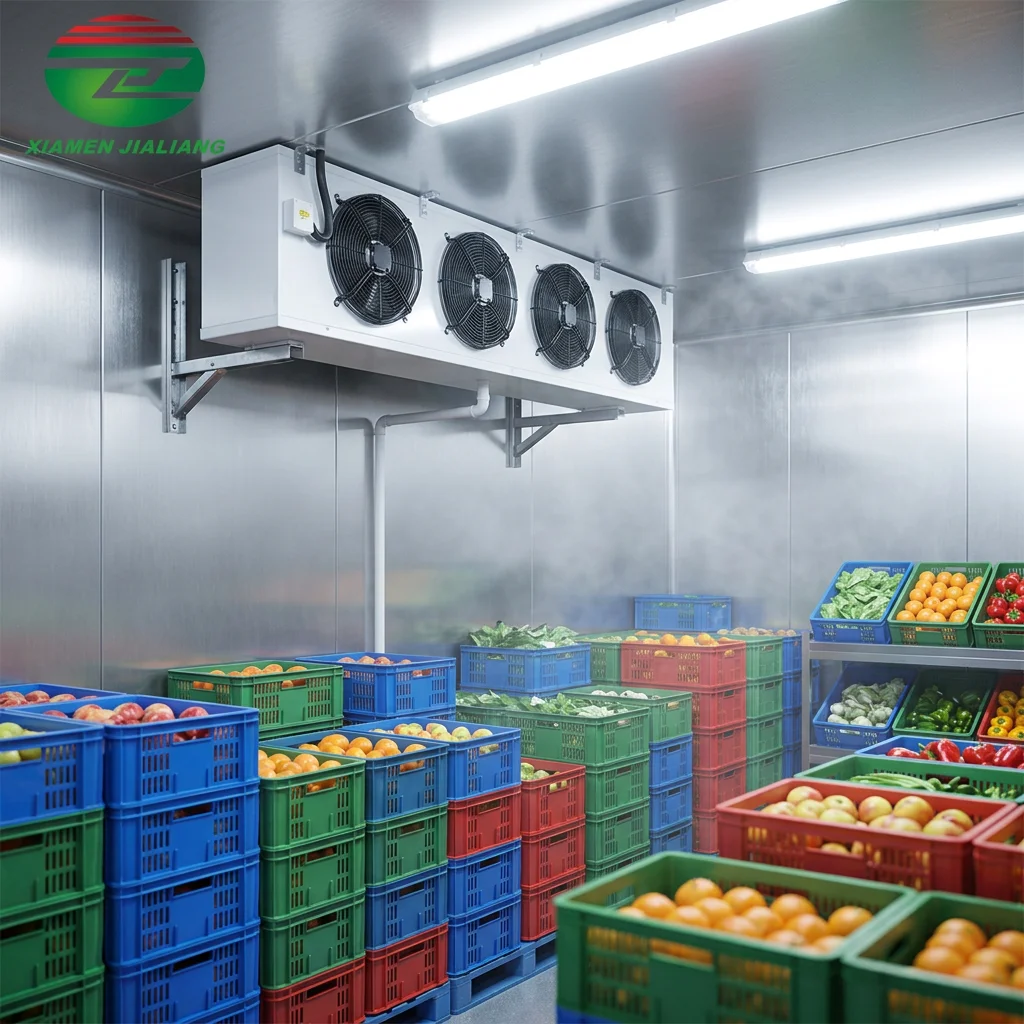
For fruits, vegetables, flowers, and other fresh agricultural products, a fresh-keeping cold room is usually the best choice.
Typical temperature range:
0°C to 10°C
Suitable for:
Fresh fruits
Vegetables
Flowers
Agricultural products
Fresh produce
Fresh produce is sensitive not only to temperature but also to humidity and airflow. Different fruits and vegetables may require different storage conditions.
For example, leafy vegetables generally require lower temperatures and relatively high humidity, while some tropical fruits should not be stored at temperatures close to 0°C.
For farms, orchards, and agricultural processing facilities, a pre-cooling room can also be installed before the main cold storage area. Pre-cooling quickly removes field heat from freshly harvested products and helps extend shelf life.
2. Cold Room for Meat and Poultry
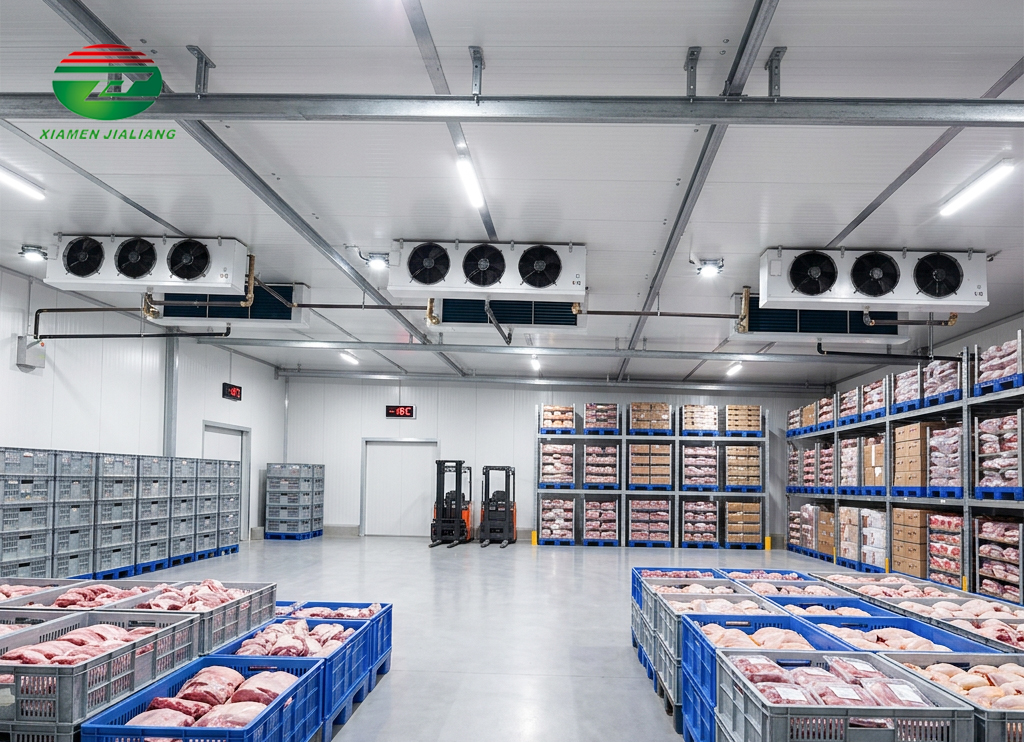
For long-term storage of beef, pork, chicken, lamb, and other frozen products, a freezer cold room is recommended.
Typical temperature range:
-18°C to -25°C
Suitable for:
Beef
Pork
Chicken
Lamb
Frozen meat
Frozen food products
For restaurants and small food businesses, a compact freezer room may be sufficient.
For meat processing plants, wholesalers, and distribution centers with frequent loading and unloading, the refrigeration capacity should be carefully calculated according to daily product volume and operating conditions.
Frequent door opening can cause significant temperature fluctuations, so high-quality insulated panels, efficient refrigeration equipment, and proper door management are important.
3. Cold Room for Seafood and Fish
Fish, shrimp, shellfish, and other seafood products are highly sensitive to temperature changes.
A low-temperaturefreezer room is normally recommended for seafood storage.
Typical temperature range:
-18°C to -30°C
Suitable for:
Fish
Shrimp
Crab
Shellfish
Frozen seafood
For long-term frozen seafood storage or applications requiring higher product quality, lower temperatures may be required.
Seafood cold rooms should also pay special attention to corrosion resistance, drainage, moisture protection, and easy cleaning because of the humid operating environment.
4. Cold Room for Restaurants and Hotels
Restaurants, hotels, catering companies, and commercial kitchens usually need to store both refrigerated and frozen products.
A dual-temperature cold room is therefore a practical solution.
A typical configuration includes:
Chiller room: 0°C to 5°C
Used for:
Vegetables
Fruits
Beverages
Dairy products
Fresh ingredients
Freezer room: around -18°C
Used for:
Meat
Seafood
Frozen food
Prepared ingredients
The two compartments have independent temperature control systems, allowing different food products to be stored under suitable conditions while saving installation space.
5. Cold Room for Supermarkets and Grocery Stores
Supermarkets and fresh food stores usually handle many different product categories.
A multi-temperature cold storage system can be designed with several areas, such as:
Fresh-keeping room
Chiller room
Freezer room
This configuration is suitable for storing fruits, vegetables, dairy products, fresh meat, frozen food, beverages, and other temperature-sensitive products.
For smaller supermarkets with limited space, a dual-temperature cold room can also provide a flexible and cost-effective solution.
6. Cold Room for Food Processing Plants
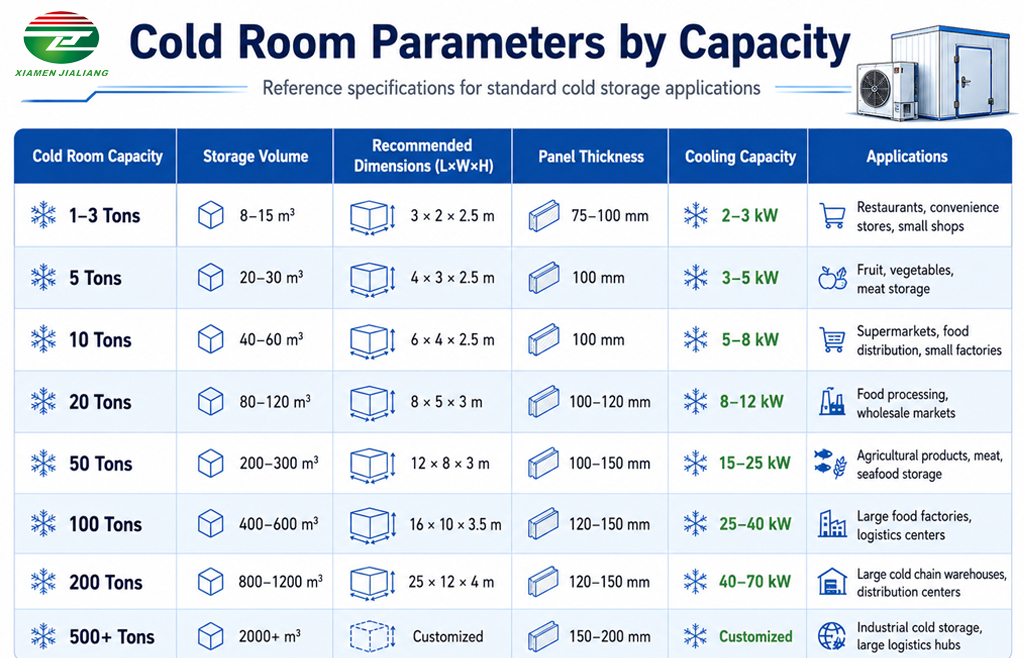
Cold storage for food processing factories requires more detailed refrigeration calculations.
In addition to storage temperature, several important factors should be considered:
Maximum storage capacity
Daily incoming product volume
Daily outgoing product volume
Initial product temperature
Required cooling speed
Storage period
Door opening frequency
Working hours
For example, a 100 m³ cold room storing already chilled products requires significantly less refrigeration capacity than a cold room that needs to cool several tons of room-temperature products every day.
Therefore, industrial cold rooms should be designed according to actual production capacity rather than room size alone.
How to Select the Right Cold Storage Solution
A simple cold room selection guide is:
Fruits and vegetables → Fresh-keeping cold room
Dairy products and beverages → Chiller room
Meat and frozen food → Freezer room
Seafood → Low-temperature freezer room
Restaurants and hotels → Dual-temperature cold room
Supermarkets → Dual-temperature or multi-temperature cold room
Food processing plants → Customized industrial cold room
Conclusion
There is no single cold room design that is suitable for every application.
The best cold storage solution should be designed according to the product type, required temperature, storage capacity, daily turnover, installation environment, and power supply conditions.
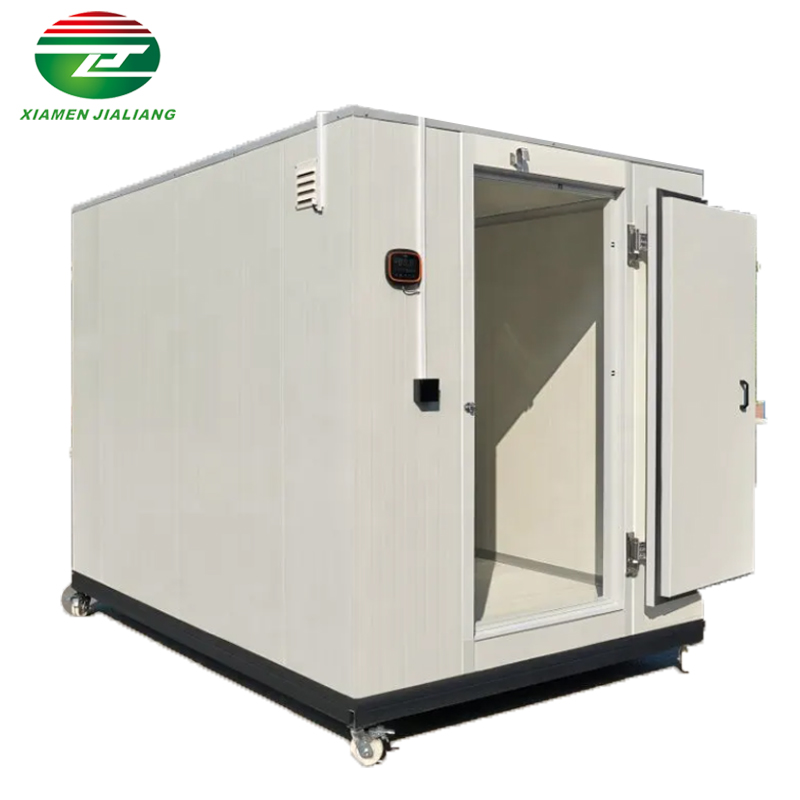
Whether you need a small commercial cold room, a freezer room for meat, a fresh-keeping room for fruits and vegetables, a dual-temperature cold room for a restaurant, or agricultural projectcold room for an , proper system design can help improve storage efficiency, maintain product quality, and reduce operating costs
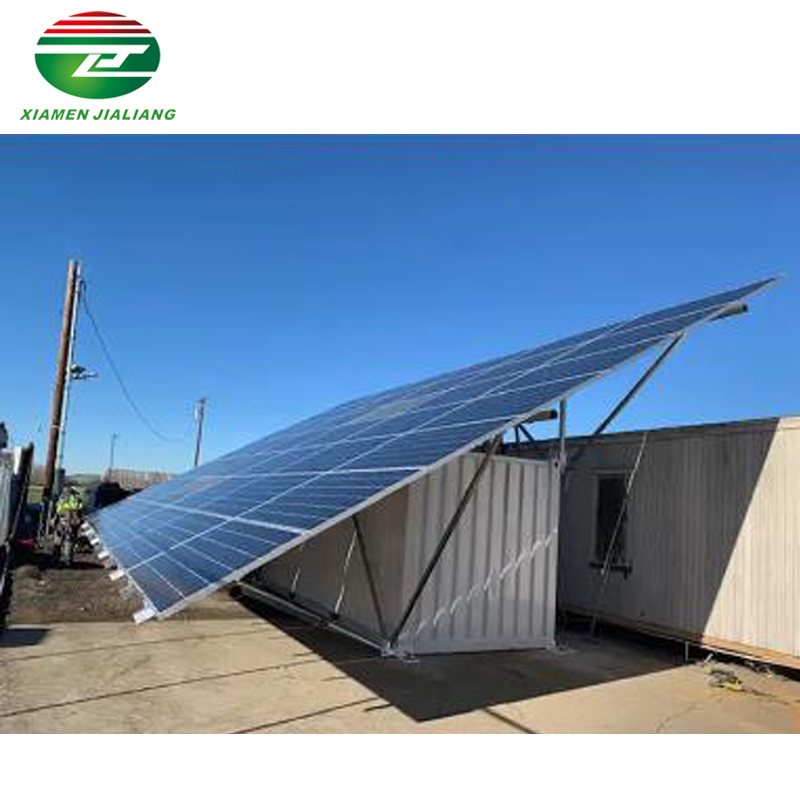
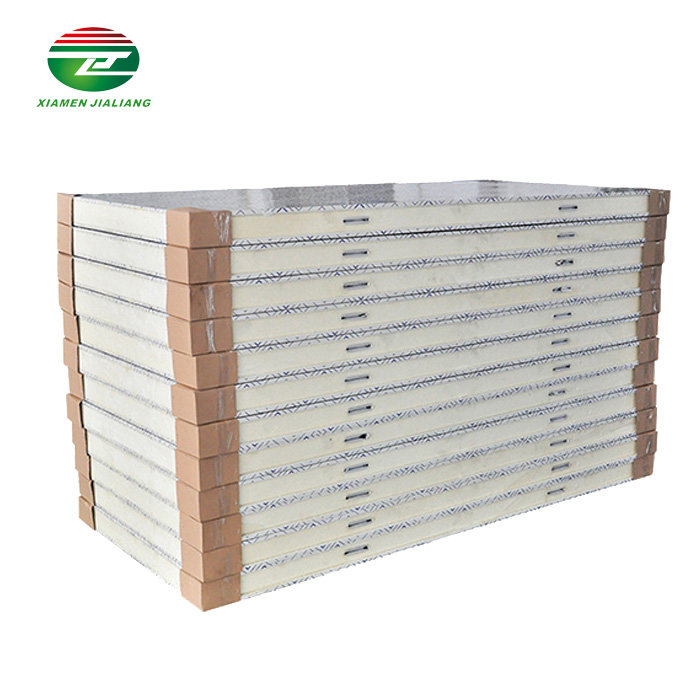
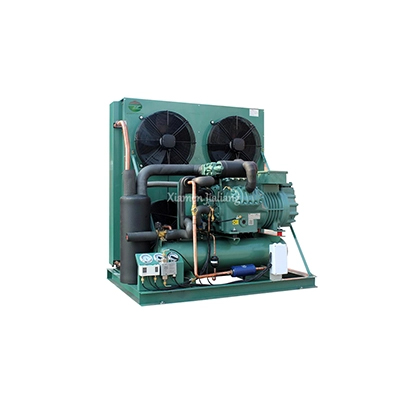
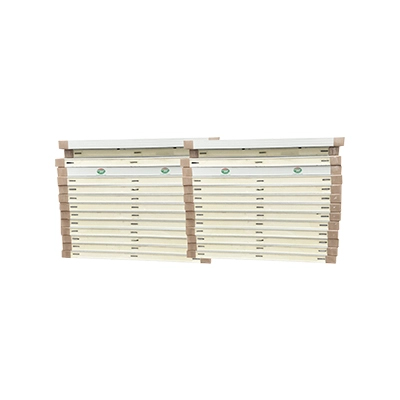
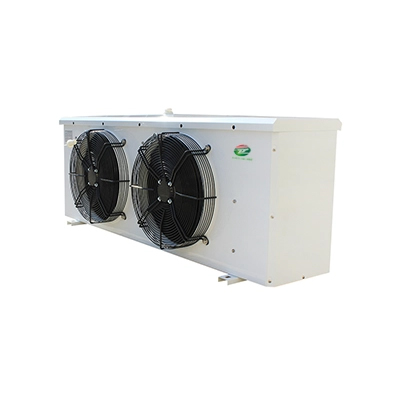
For commercial and industrial projects, working with an experienced cold roommanufacturer can help ensure that the refrigeration system, insulated panels, doors, controls, and power system are correctly matched to your actual application.
For more information, please visit www.coldroomjl.com