The Influence and Control Requirements of Cold Room Storage Temperature
Realize precise temperature management
The Influence and Control Requirements of Cold Room Storage Temperature
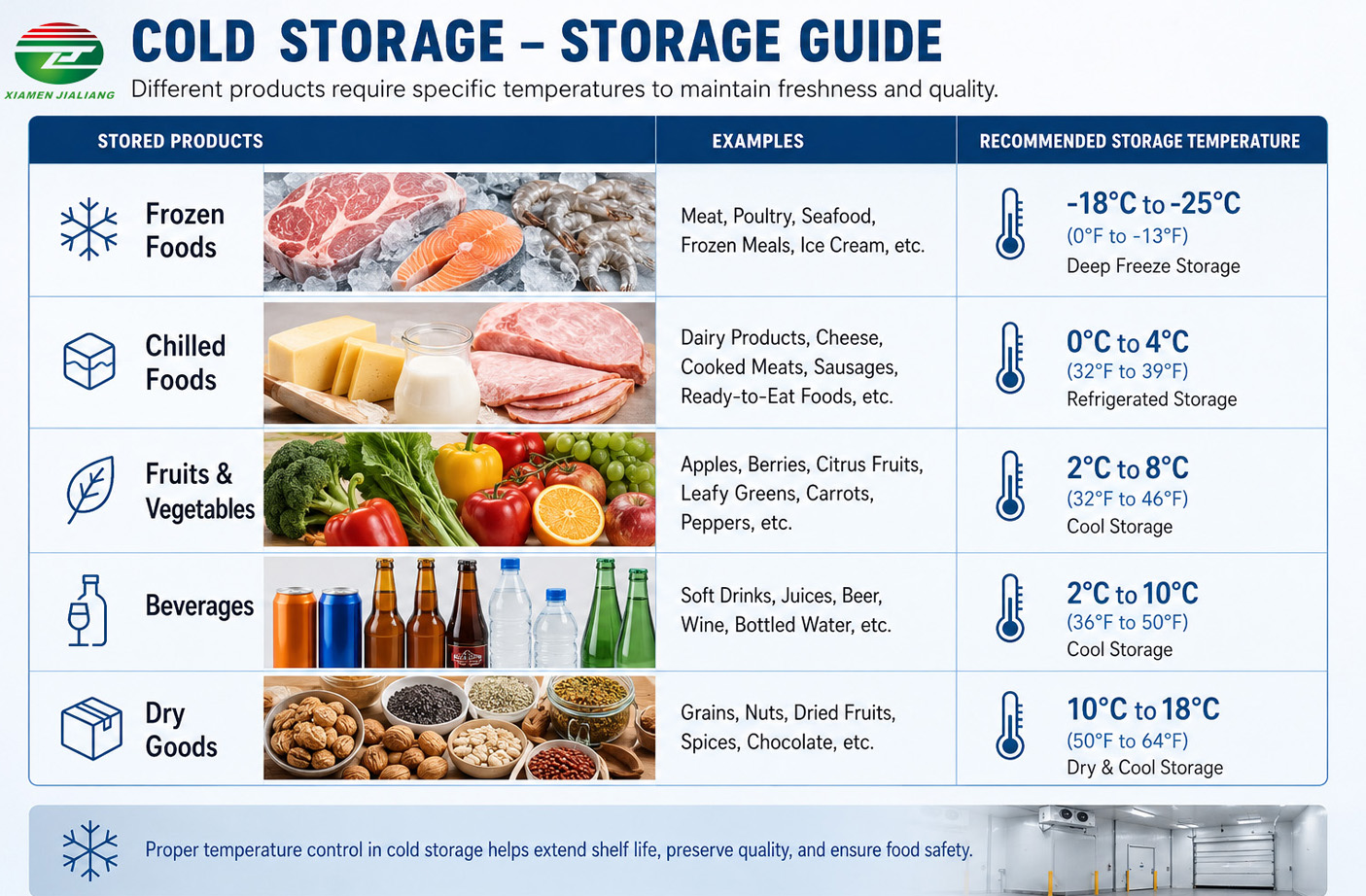
The storage temperature in the cold room is a key indicator that determines the storage efficiency and maintains the quality of goods stored in the cold room. Different types of stored goods have significant differences in the suitable storage temperature.
Fresh fruits and vegetables commonly found in daily life are usually stored at a temperature range of 0 ℃ -10 ℃. This temperature range can slow down the respiration rate of fruits and vegetables, reduce the loss of nutrients such as sugar and vitamins, and prevent low-temperature freezing damage to fruit and vegetable cells, avoiding water damage and decay;
Frozen meat, frozen seafood, and other frozen goods that require long-term storage should be stored at a stable temperature of -18 ℃ or even lower. By relying on low temperatures to suppress the proliferation of the vast majority of microorganisms, inactivate the activity of enzymes inside the food, slow down the rate of fat oxidation and spoilage, and extend the shelf life of storage;
Special materials such as drugs and biologics require higher precision in storage temperature. Most conventional vaccines and active pharmaceutical preparations need to be kept in a refrigerated environment of 2 ℃ -8 ℃, and some active biological samples that require long-term storage require ultra-low temperature storage conditions below -80 ℃. During the operation of the cold room, it is necessary to monitor temperature changes in real-time throughout the entire process, accurately regulate and maintain temperature stability, and prevent significant temperature fluctuations from damaging the quality of stored goods.
In addition to matching storage temperatures based on the category of the goods, different storage turnover times of the goods themselves also correspond to different storage temperature adjustment plans: for fresh goods with short turnover cycles, the storage temperature can be appropriately increased to ensure that the quality of the goods meets the standards while reducing the energy consumption expenditure of the cold room; For dry agricultural and sideline products that require long-term storage, the storage temperature should be appropriately lowered according to the specific characteristics of the product, in order to suppress the proliferation of pests and molds, and avoid the occurrence of moisture, odor, mold, and insect infestation in the goods.
The external environment temperature varies in different seasons, and it is also necessary to make slight adjustments to the internal storage temperature of the cold room: the external temperature is higher in summer, and the temperature of the incoming goods is also higher than in winter. Therefore, it is necessary to adjust the set temperature of the cold room appropriately to offset the additional heat brought in by the goods and avoid the temperature inside the storage from rising out of control in a short period of time; In winter, the external temperature is relatively low. While ensuring storage requirements, the set temperature can be moderately increased to reduce the operating time of the refrigeration unit and lower operating costs.
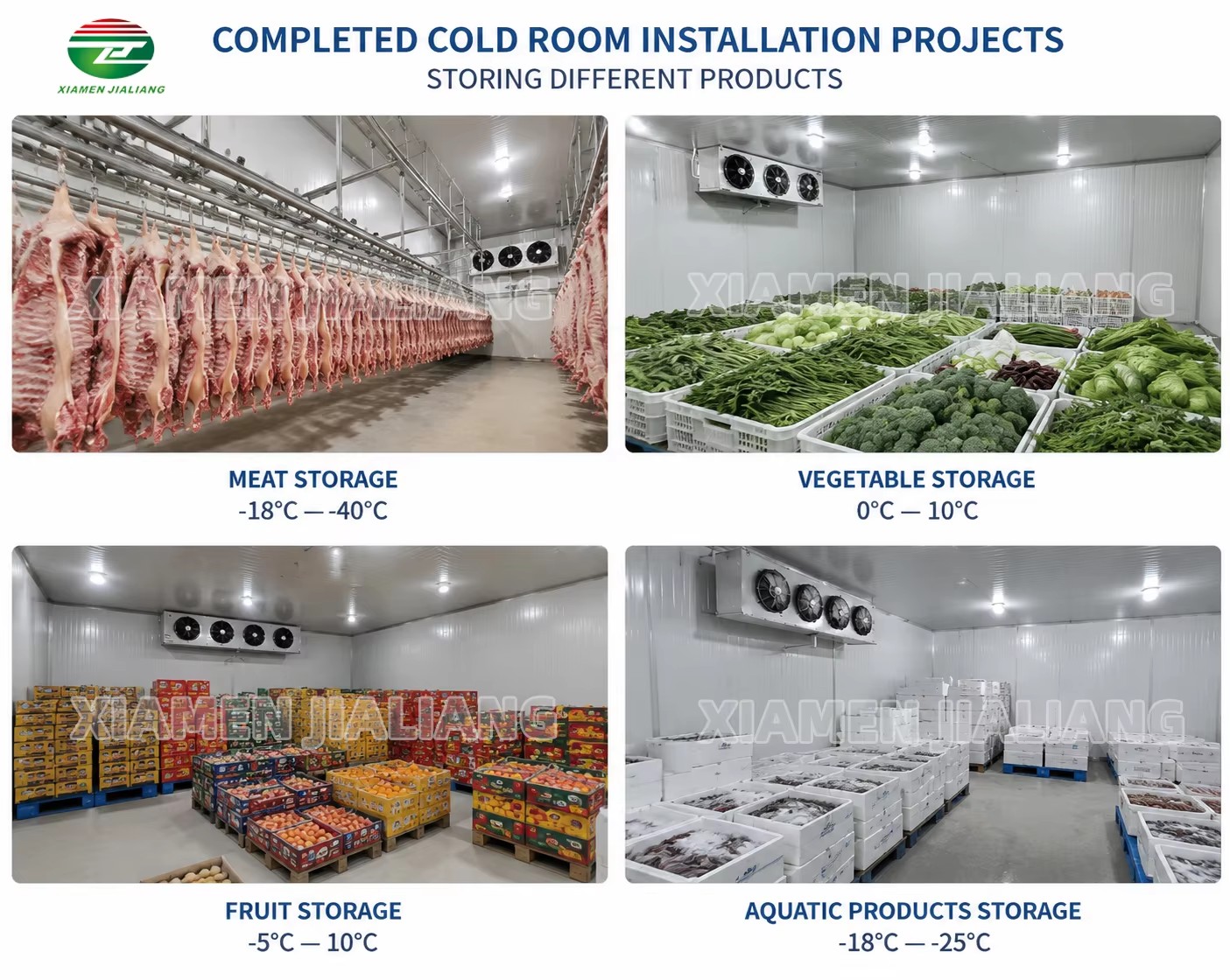
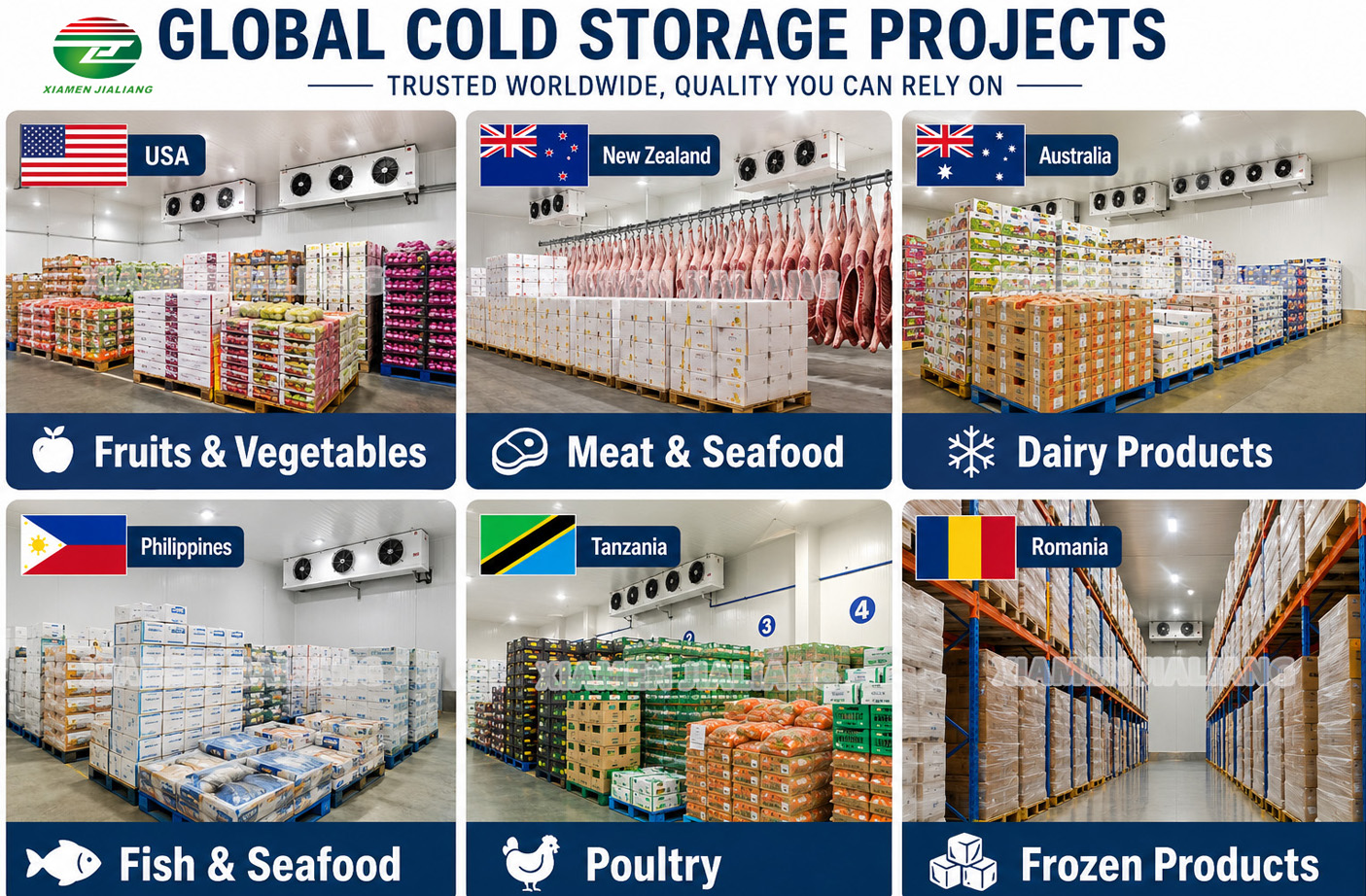
In addition, when stacking different types of goods in the same cold room, temperature control must be divided according to the temperature requirements of each category, and independent temperature control intervals must be set up. The storage quality of goods cannot be sacrificed to accommodate a unified temperature.
The storage temperature of the cold storage also needs to be flexibly adjusted according to the storage status of the goods: fresh goods that have just been processed and picked carry field heat or processing residual temperature, and need to be pre cooled first to reduce the temperature of the goods to near the set temperature in the warehouse before being stored, avoiding excessive heat brought in at once and causing temperature fluctuations in the warehouse. At the same time, it can also reduce the load pressure of the refrigeration unit and reduce unnecessary energy consumption. Goods that have undergone pre cooling treatment and meet the required temperature can be stored directly at the set storage temperature without the need for additional temperature adjustments.
It is necessary to regularly calibrate temperature monitoring equipment in daily life to avoid equipment errors that may cause actual storage temperatures to deviate from requirements and affect the quality of goods storage. Once there is an abnormal temperature fluctuation, the cause of equipment failure should be investigated as soon as possible, and the goods that have already been affected by temperature should be promptly transferred to avoid further expansion of losses.
For more information, please visit www.coldroomjl.com