


Flower Cold Room: How to Extend Fresh Flower Shelf Life and Reduce Losses
Customized Refrigeration Cold Room Solution
Flower Cold Room: How to Extend Fresh Flower Shelf Life and Reduce Losses
What Is a Flower Cold Room?
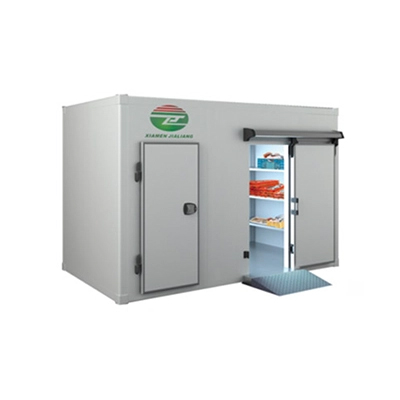
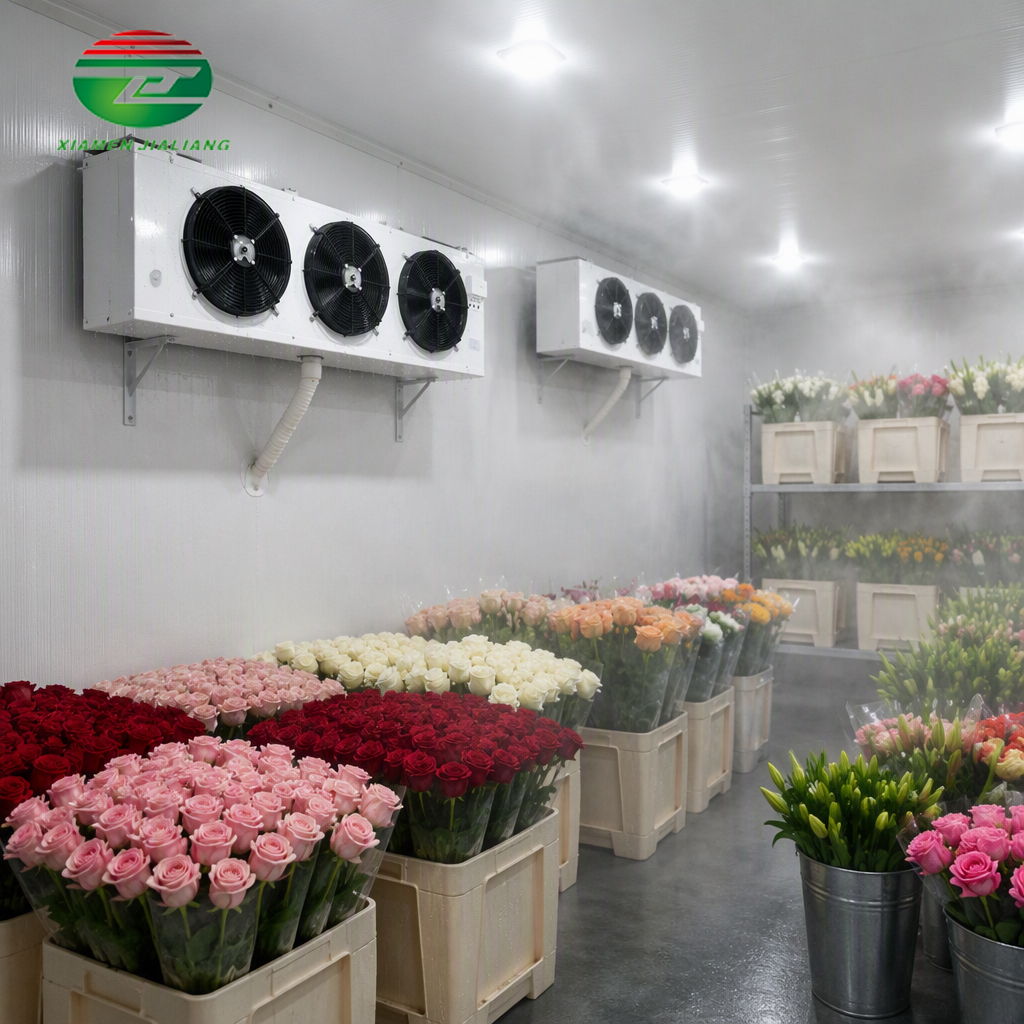
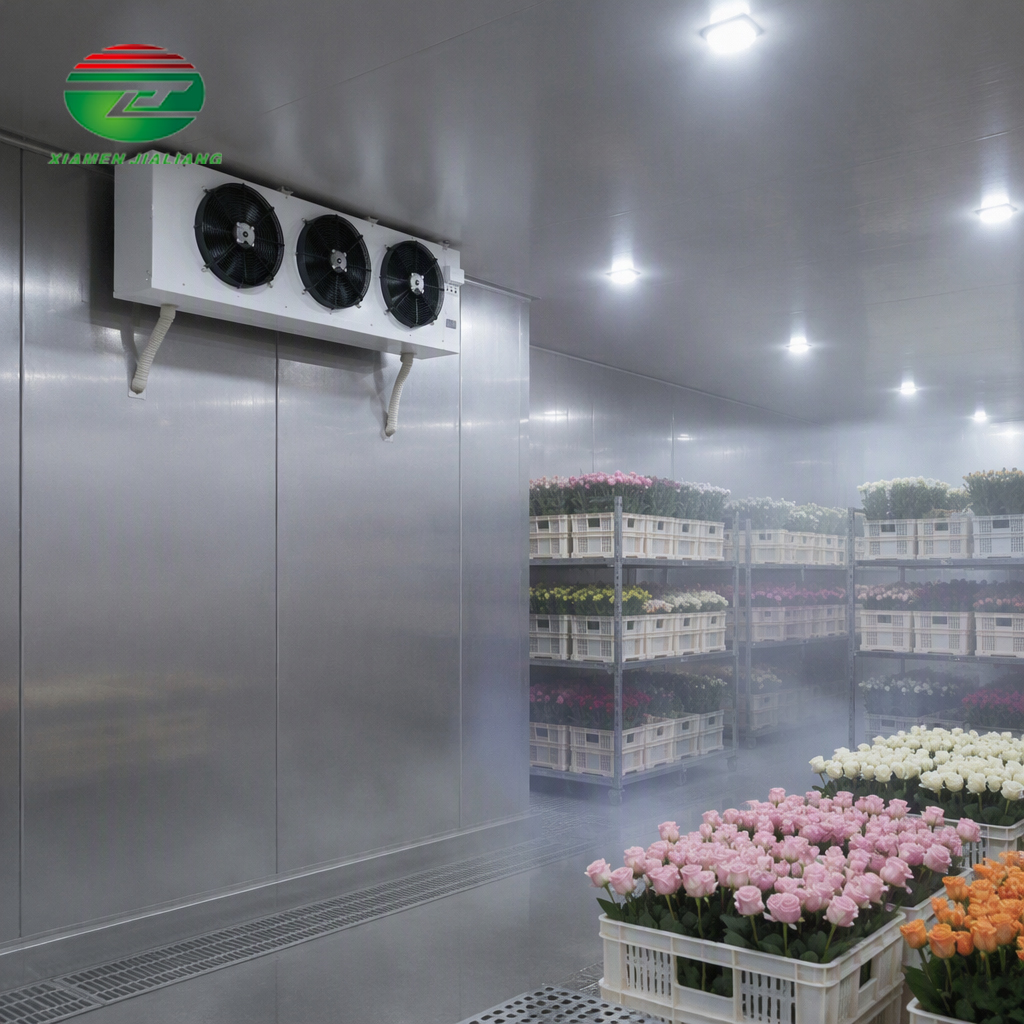
A flower cold room is a refrigerated space specially designed for storing fresh-cut flowers, bouquets, and certain floral products. Compared with general food cold storage, flowers are more sensitive to their environment. Proper temperature, humidity, air circulation, and temperature stability are all important for maintaining freshness.
A properly designed flower cold storage system can slow flower respiration, reduce moisture loss, and delay quality deterioration, providing more time for transportation, distribution, retail, and display.
Why Do Fresh Flowers Need Cold Storage?
1. Slow Down Flower Aging
Fresh flowers remain biologically active after harvesting. Higher temperatures generally increase metabolic activity. Cold storage helps reduce respiration and slows down the aging process.
2. Reduce Moisture Loss
When petals and leaves lose too much moisture, flowers may wilt quickly. Proper temperature and humidity control helps reduce dehydration and maintain better appearance and stem firmness.
3. Improve Transportation and Sales Stability
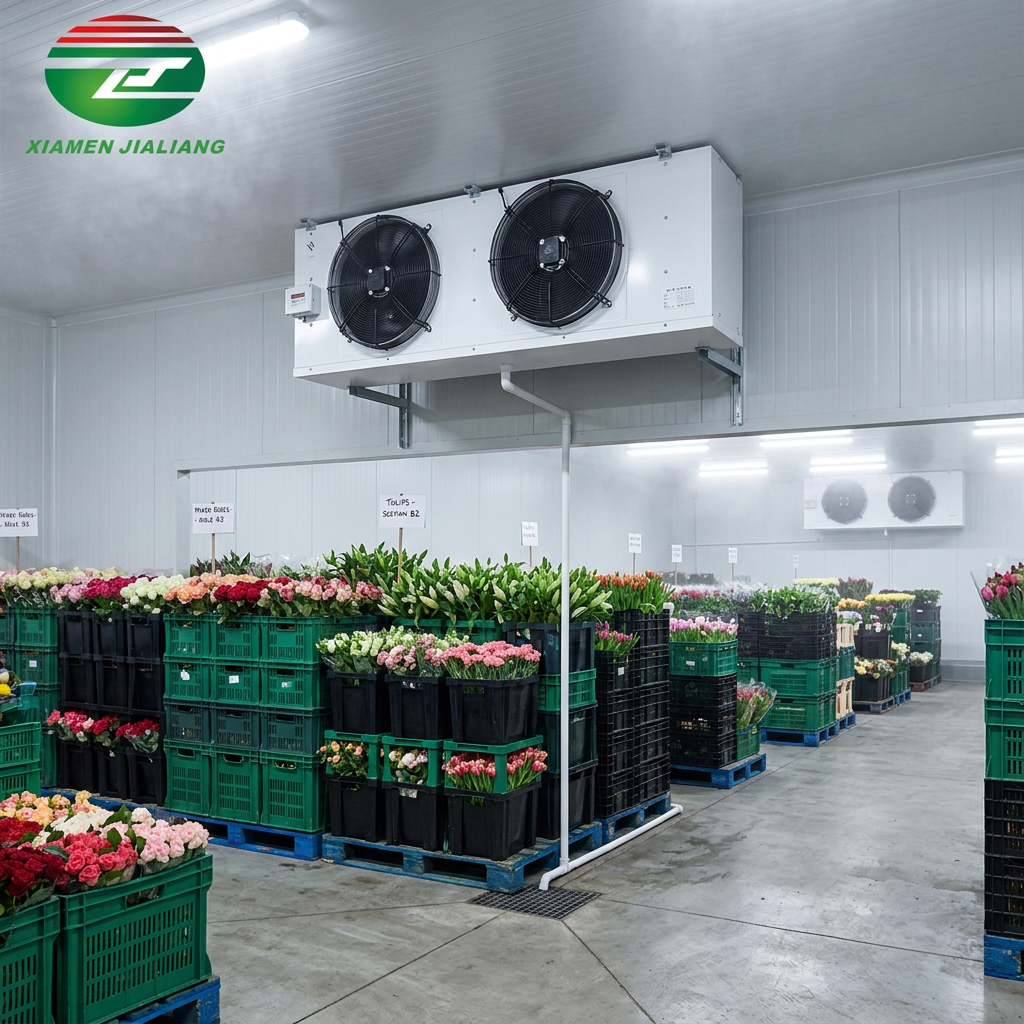
For long-distance transportation, wholesale distribution, and export operations, cold-chain stability has a direct impact on flower quality upon arrival. Flower cold rooms can be used for post-harvest cooling, temporary storage, and pre-distribution holding.
4. Reduce Business Losses
Fresh flowers are highly perishable products. Excessive wilting or quality deterioration can reduce their selling price or even make them unsellable. Proper refrigerated storage helps improve sellable yield and reduce waste.
What Temperature Is Suitable for a Flower Cold Room?
Different flower varieties have different temperature requirements. Many common cut flowers can be stored at relatively low temperatures, while tropical flowers often require warmer storage conditions.
Therefore, a flower cold room should not be designed around a single temperature setting for every product. The system should be selected according to flower variety, storage duration, and transportation requirements.
For example:
Roses, carnations, lilies, chrysanthemums, and many common cut flowers generally benefit from low-temperature storage;
Orchids, anthuriums, bird-of-paradise flowers, and some tropical varieties may be more sensitive to low temperatures;
When storing different flower varieties, separate cold rooms or temperature zones may be more suitable.
Why Is Humidity Important in Flower Cold Storage?
In addition to temperature, humidity is an important factor in flower preservation.
If the air inside the cold room is too dry, moisture can evaporate rapidly from petals and leaves, causing dehydration and wilting. Proper humidity control helps flowers retain moisture and reduces weight loss during storage.
The refrigeration and humidity requirements should be considered together when designing a floral cold room. Strong cold air blowing directly onto flowers for long periods may cause localized dehydration, so evaporator placement and airflow design are also important.
How to Choose the Right Flower Cold Room
When purchasing a flower cold room, several factors should be considered.
Cold room size:
Determine the required storage capacity based on daily or weekly flower turnover, while leaving sufficient space for proper air circulation.
Flower varieties:
Different flowers require different storage conditions. If varieties with significantly different temperature requirements are stored together, separate storage zones may be recommended.
Ambient temperature:
The refrigeration load can vary significantly depending on whether the cold room is installed indoors or outdoors and according to the local climate.
Daily loading capacity:
Large quantities of freshly harvested flowers entering the cold room increase the refrigeration load. Product heat load should therefore be considered
Power supply:
Voltage, frequency, and electrical standards vary between countries. Export cold room equipment should be configured according to the destination project's electrical requirements.
Conclusion
The commercial value of fresh flowers is closely related to their freshness. Whether for flower farming, wholesale, retail, or export businesses, a professional flower cold storage system provides a stable refrigerated environment, helps reduce moisture loss, slows quality deterioration, and minimizes supply-chain losses.
If you are planning a flower cold room project, the refrigeration system can be customized according to room dimensions, flower varieties, required temperature, daily loading capacity, ambient temperature, and local power supply.
For more information, please visit www.coldroomjl.com