Home / Monoblock Condensing Unit

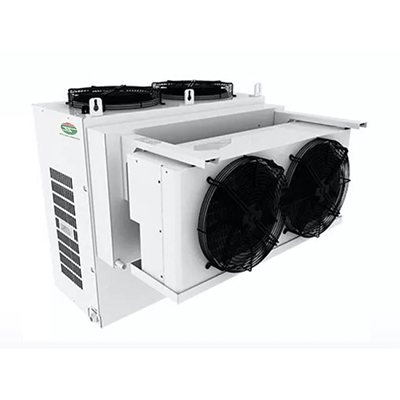
Monoblock Condensing Unit

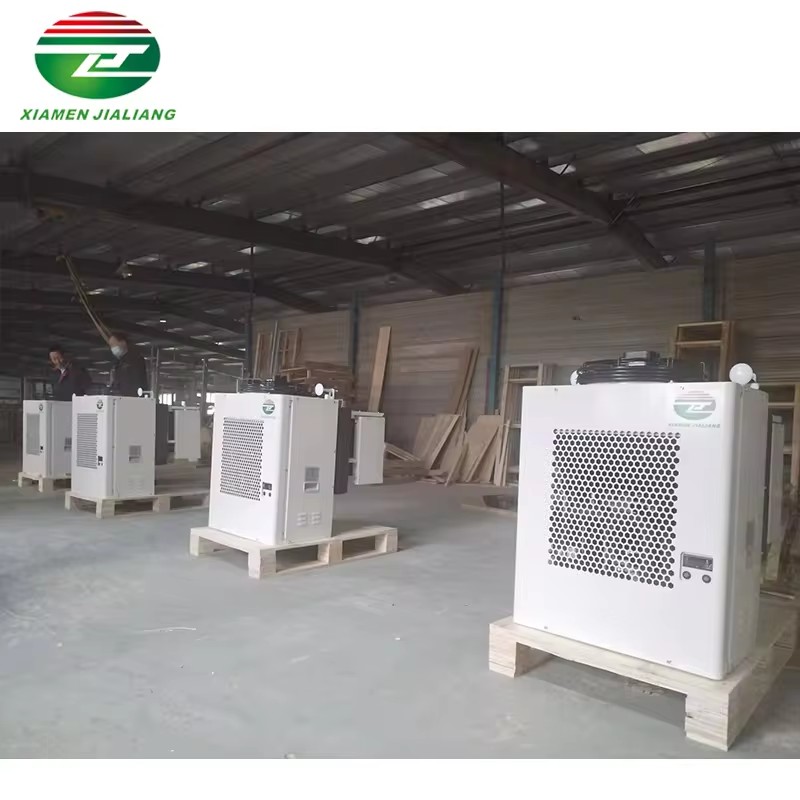
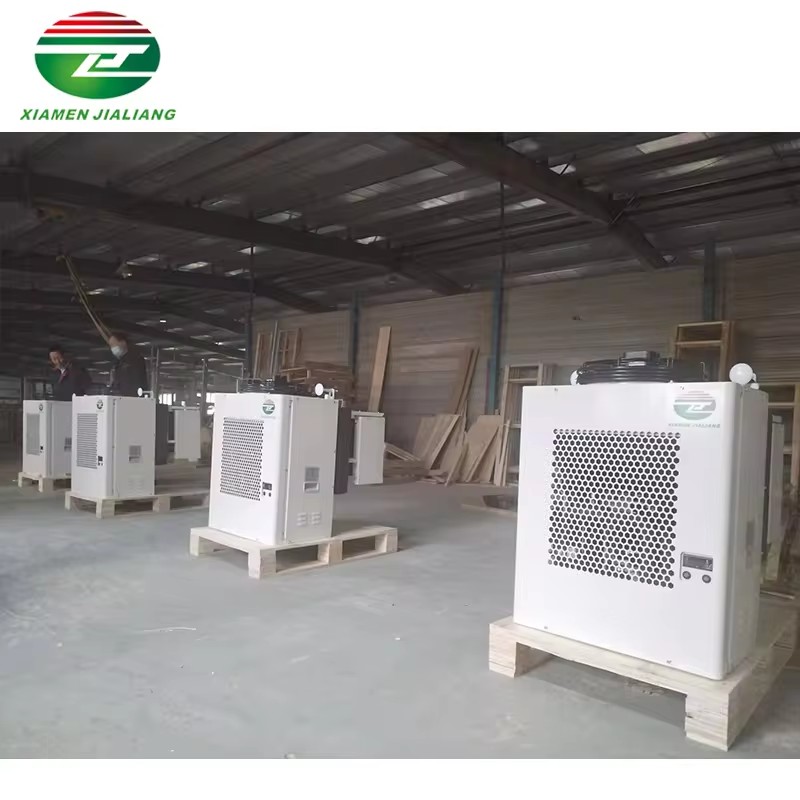
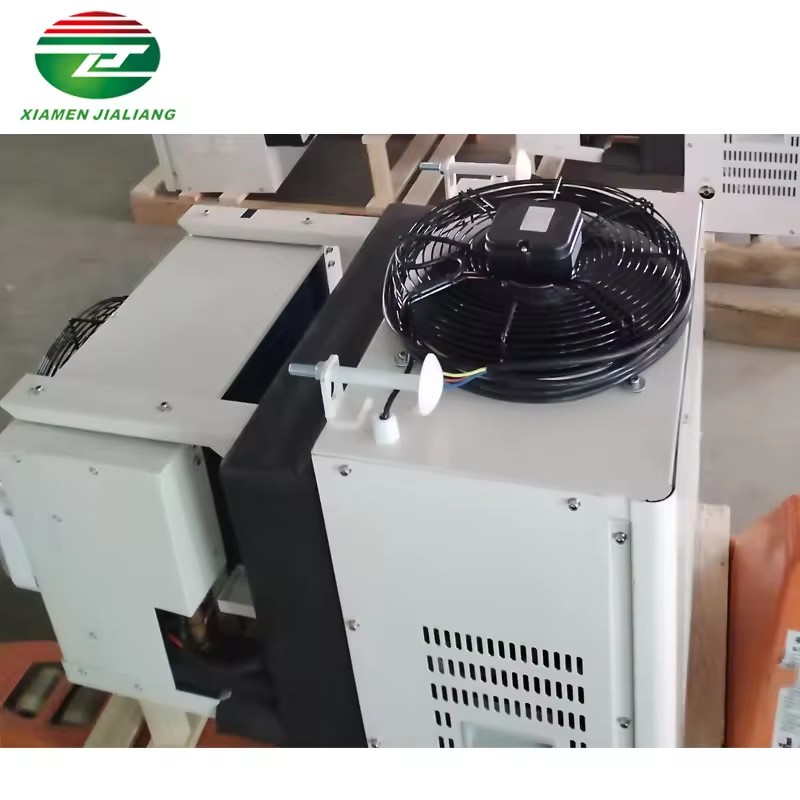
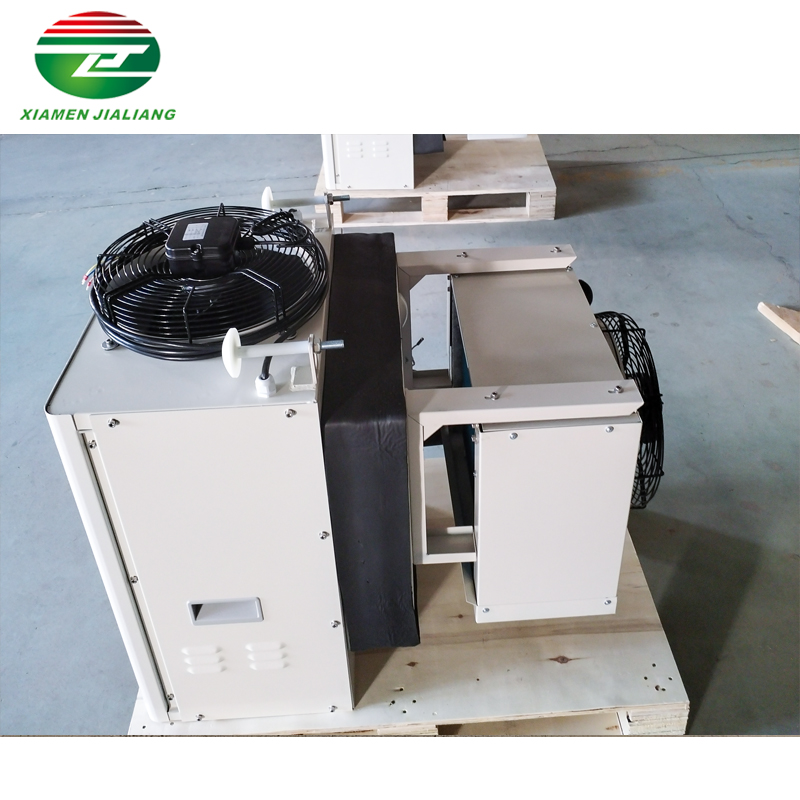
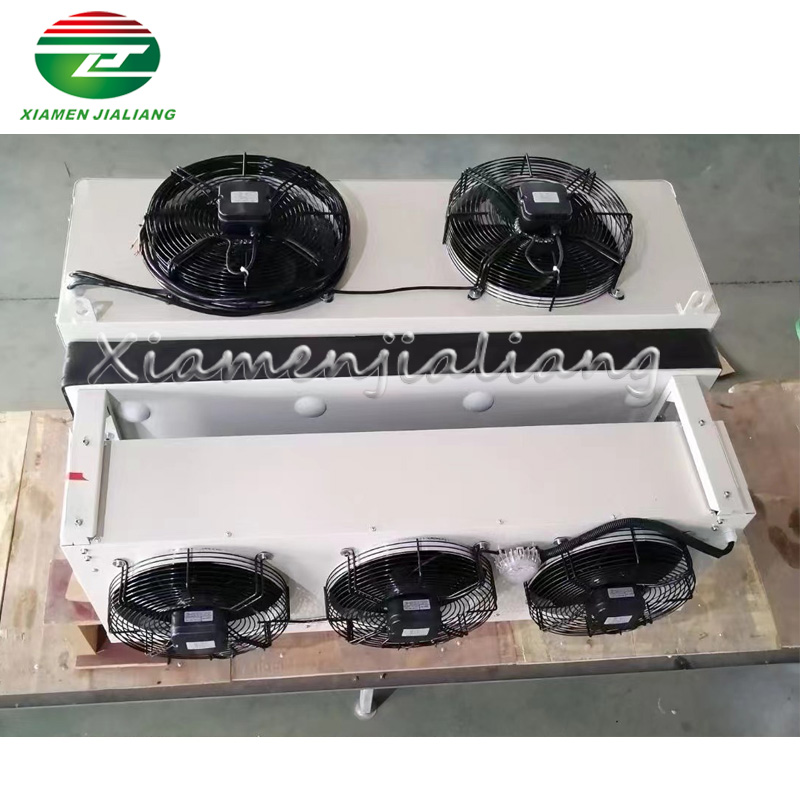
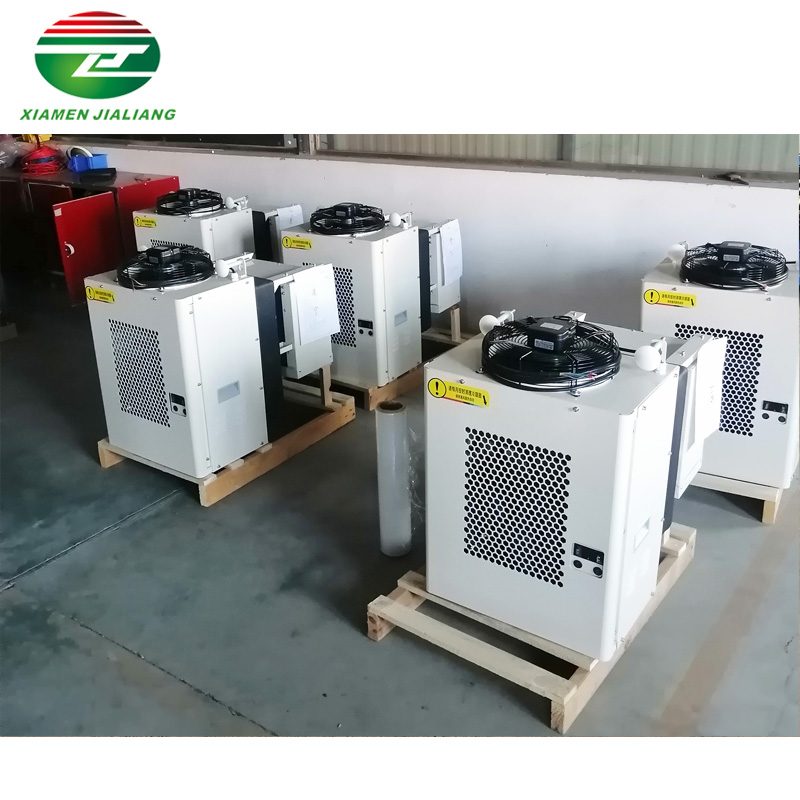
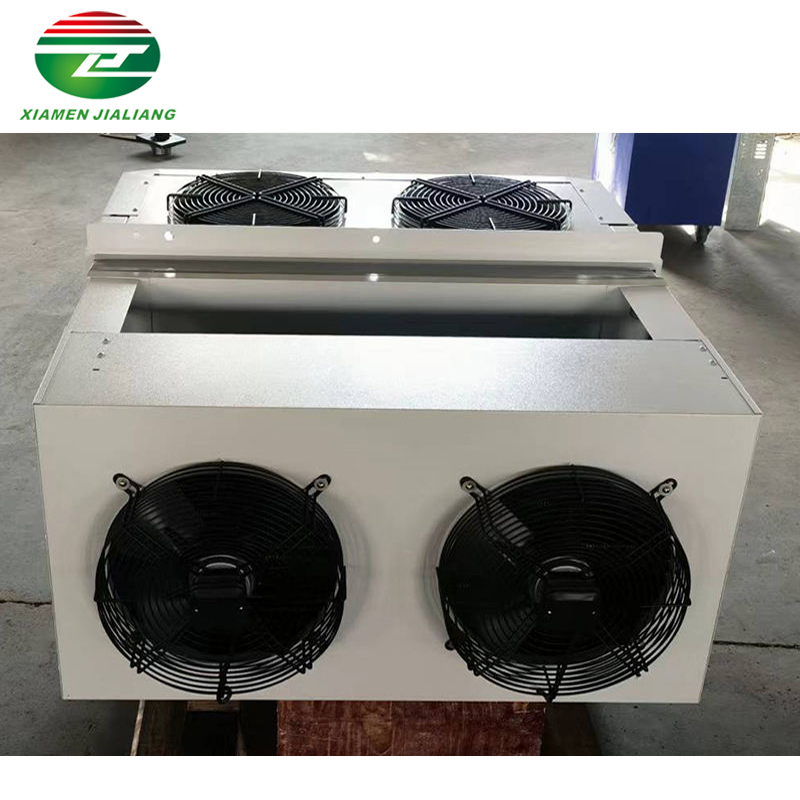
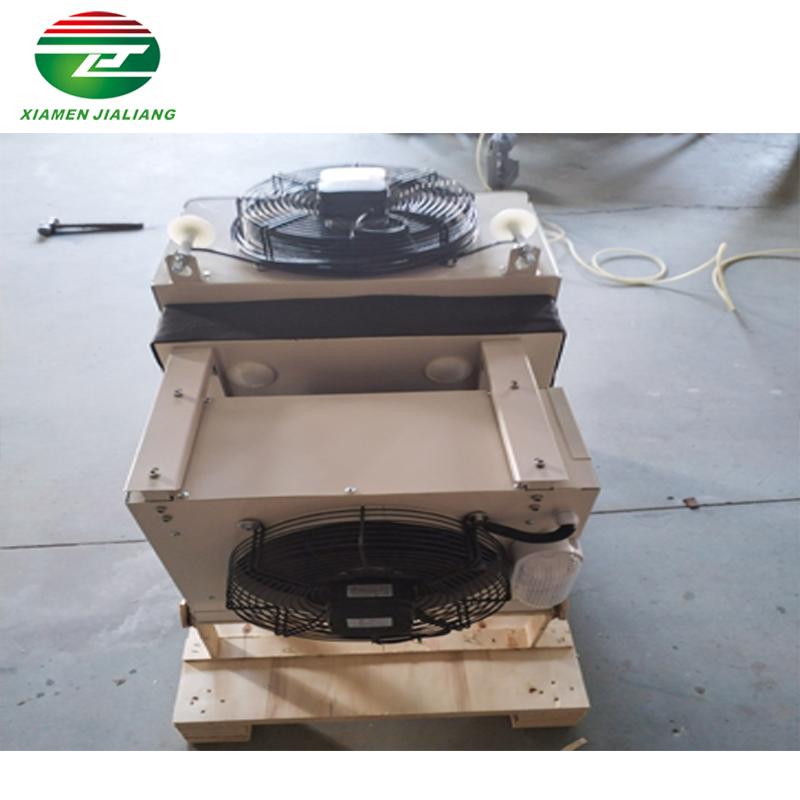
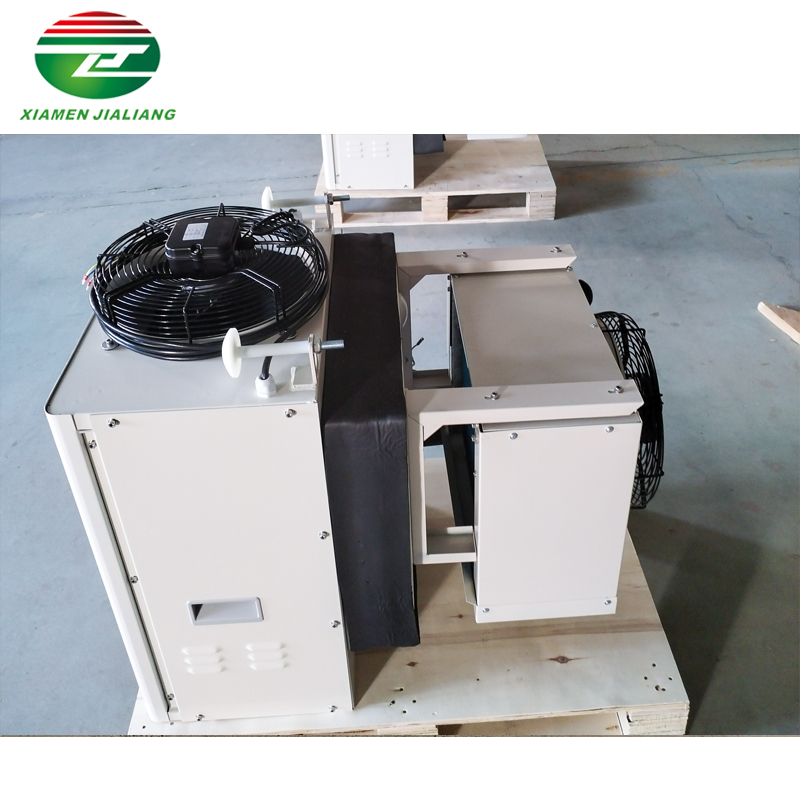
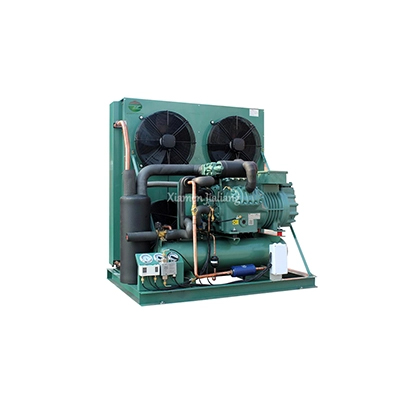
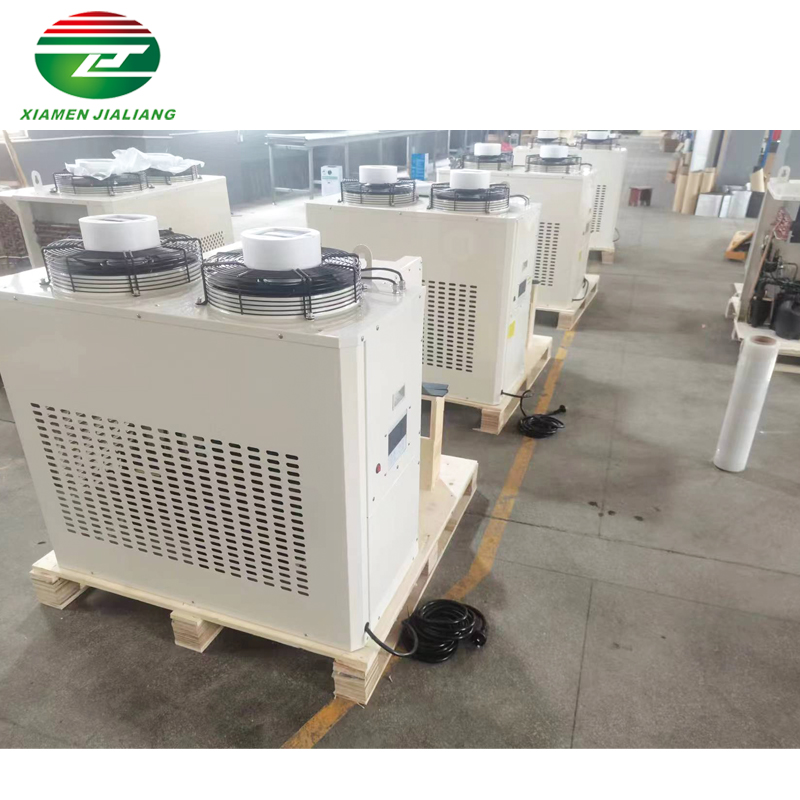
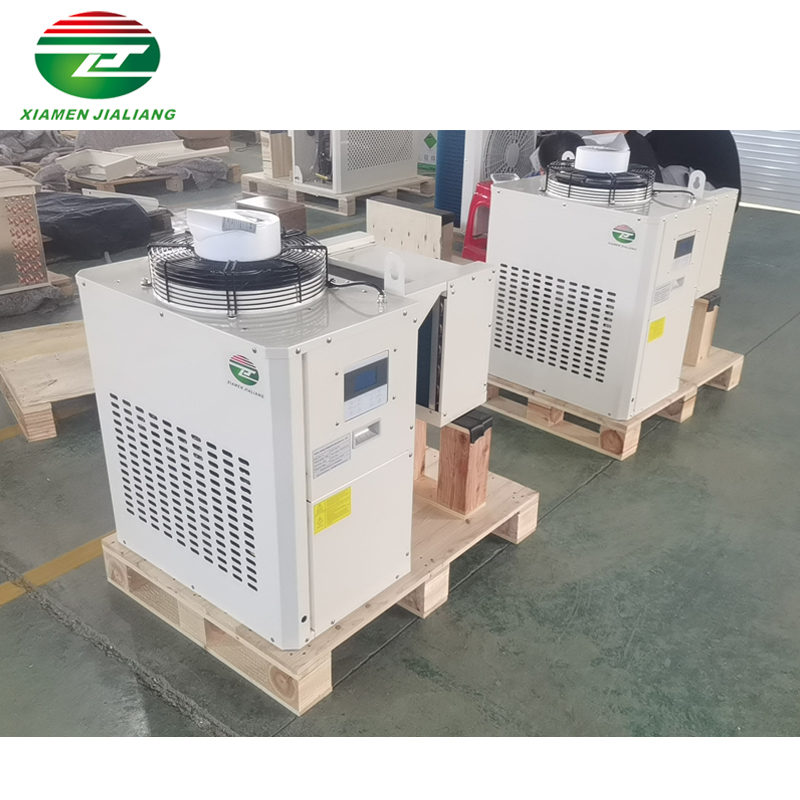
A monoblock condensing unit is a complete, standalone unit that contains all the components necessary for operation. It is typically used in residential and commercial applications where space is limited. The main advantage of a monoblock design is that it eliminates the need for an external compressor, making it more compact and easier to install.

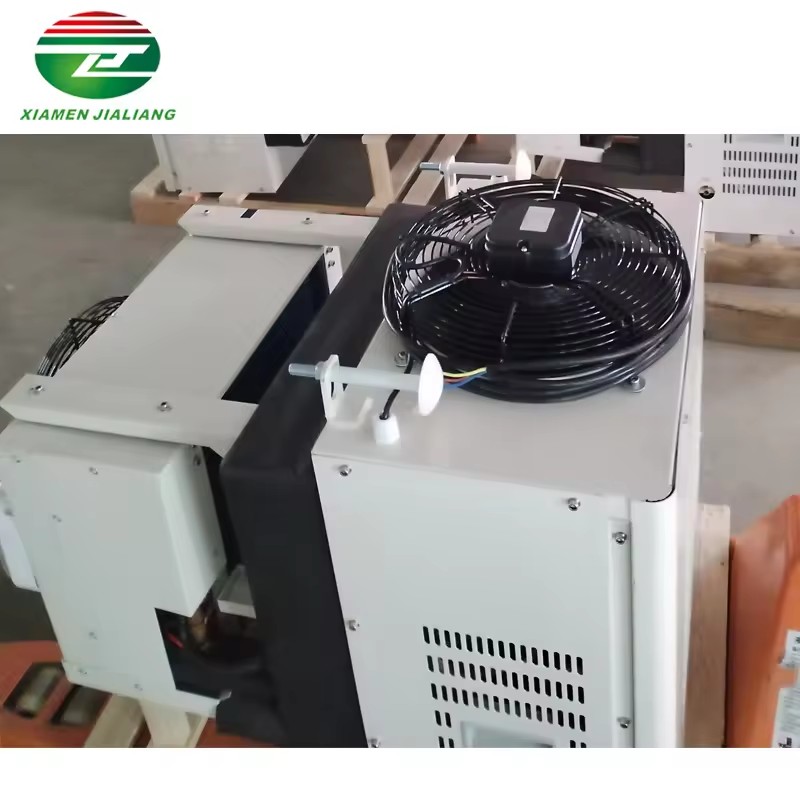
The heart of the monoblock condensing unit is the compressor. This is a hermetically sealed, air-cooled or water-cooled device that pumps refrigerant through the system. The compressor is connected to the evaporator and condenser coils via copper tubing. These coils are filled with refrigerant and work to remove heat from the home or building.
Contact Us
  • Name: *
  • Email: *
  • Skype/WhatsApp/Tel: *
  • Country: *
  • Details: *
JiaLiang Blog

we have experienced projects all over the world and provide trustworthy solution services to meet customers' need.

  • 28
    Aug
  • Flower Cold Room: How to Extend Fresh Flower Shelf Life and Reduce Losses
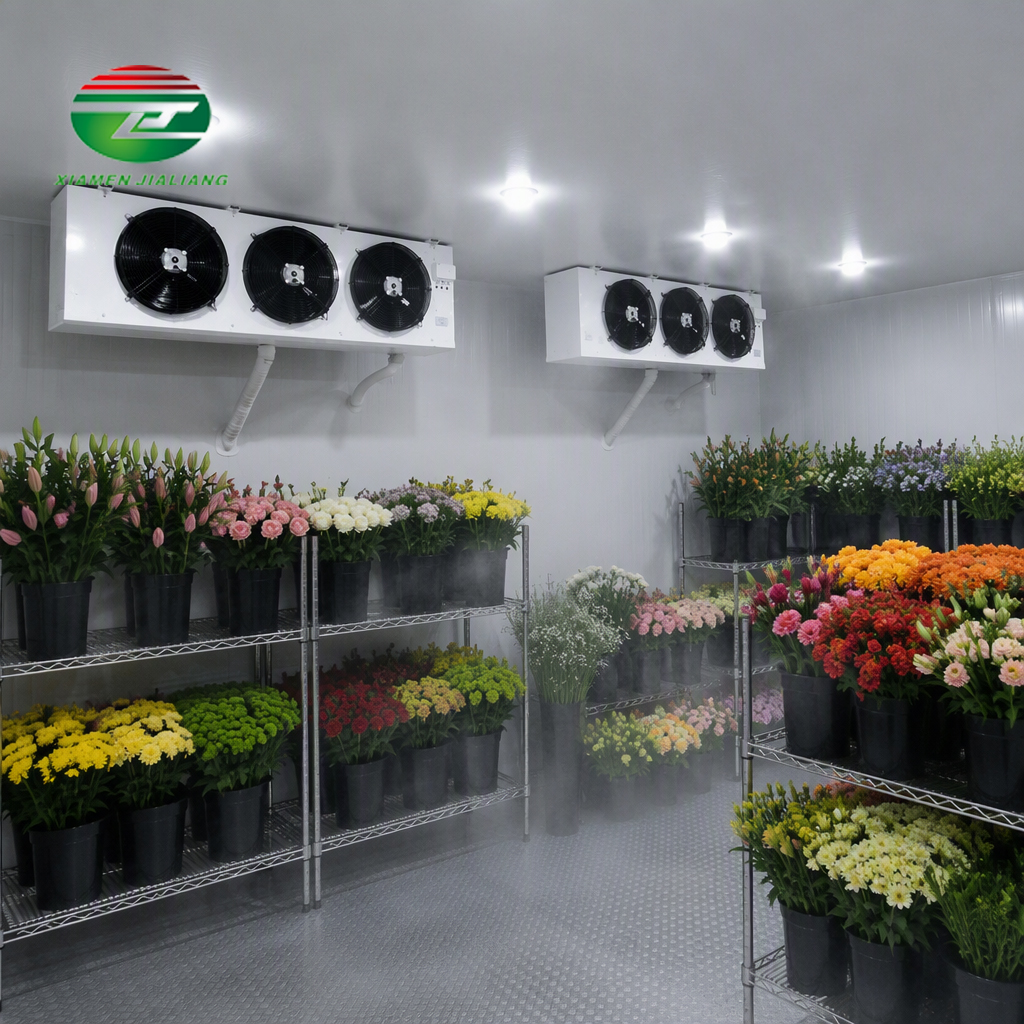
  • Fresh-cut flowers begin to deteriorate soon after harvesting. High temperatures accelerate respiration and moisture loss, which may cause wilting petals, dehydrated stems, and a shorter vase life. For flower farms, wholesalers, florists, wedding suppliers, and flower import/export companies, a professional flower cold room is an effective solution for maintaining flower quality and reducing product losses.
  • -Read More
  • 21
    Aug
  • Refrigeration Condensing Unit: The Core Component of Efficient Cold Storage Systems
  • A refrigeration condensing unit is one of the most important components in a cold storage refrigeration system. Its main function is to remove heat from the refrigerant and complete the refrigeration cycle to maintain a stable low-temperature environment.
  • -Read More
  • 15
    Aug
  • How to Choose the Right Cold Room for Different Applications
  • Choosing the right cold room is essential for maintaining product quality, reducing food waste, and improving energy efficiency. Different products require different storage temperatures, humidity levels, refrigeration systems, and cold room configurations.
  • -Read More
Ok