Temperature Requirements And Design Features Of Ice Cream And Popsicle Cold Storage
Maintains optimal conditions for food freshness.
Temperature Requirements And Design Features Of Ice Cream And Popsicle Cold Storage
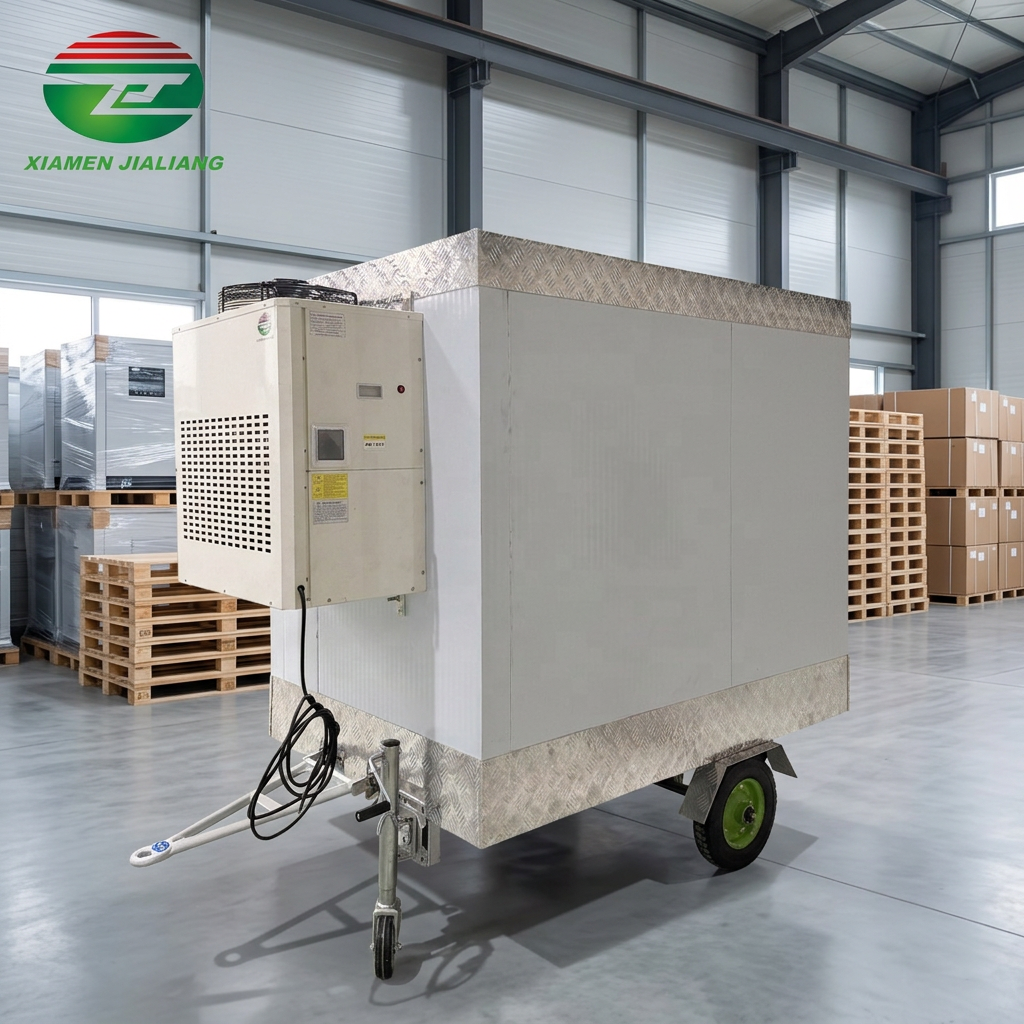
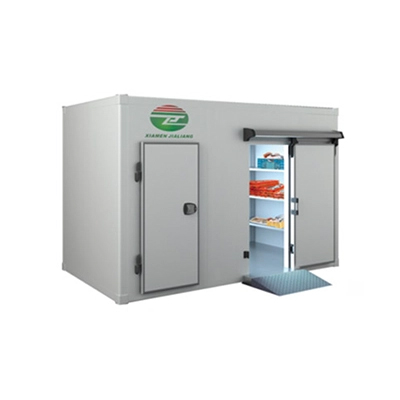
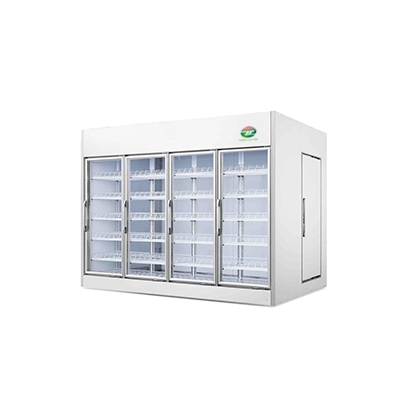
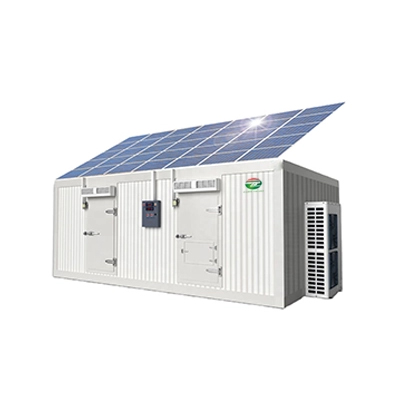
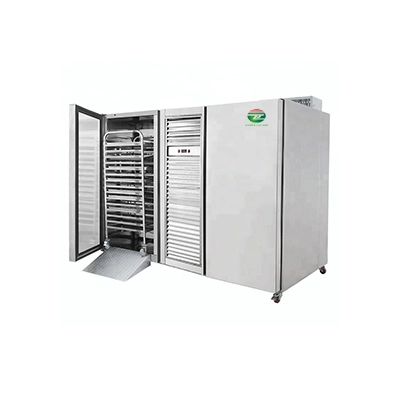
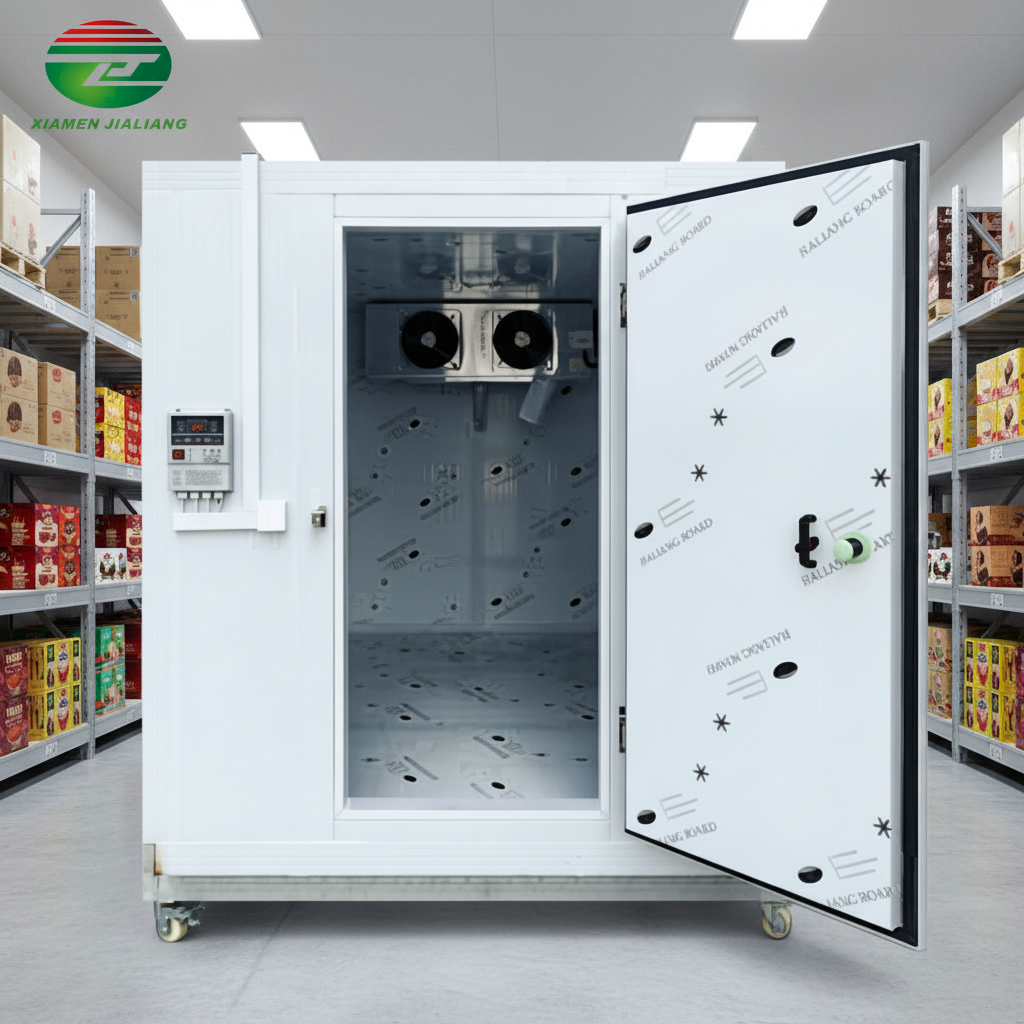
Ice cream and popsicle cold storage is a facility specifically designed for storing ice cream and popsicles. They are designed to maintain extremely low temperatures and appropriate humidity to ensure that ice cream and popsicles remain fresh, have a good taste, and prevent the ice cream from melting or softening.
Temperature requirements for ice cream and popsicles
Although both ice cream and popsicles are frozen desserts that require storage at low temperatures, there are significant differences in their specific temperature requirements.
The main components of popsicles are water and sugar, and their structure is relatively simple with high stability of internal components. This makes popsicles more tolerant to temperature fluctuations, and even if the temperature changes within a certain range, it will not have a significant impact on their overall quality. So, generally speaking, ordinary low-temperature cold storage can meet the storage needs of popsicles.
But ice cream is completely different. The main ingredients of ice cream include cream, dairy products, and sugar, which make the texture and structure of ice cream more complex and delicate. During storage, any temperature fluctuations, even small changes, can have a serious impact on the quality of ice cream. The fluctuation of temperature can cause the ice crystals inside the ice cream to become larger, and the originally delicate and smooth taste will become rough and loose, greatly reducing the experience of consumption. At the same time, unstable temperature can accelerate the oxidation and deterioration of fat, greatly shortening the shelf life of ice cream.
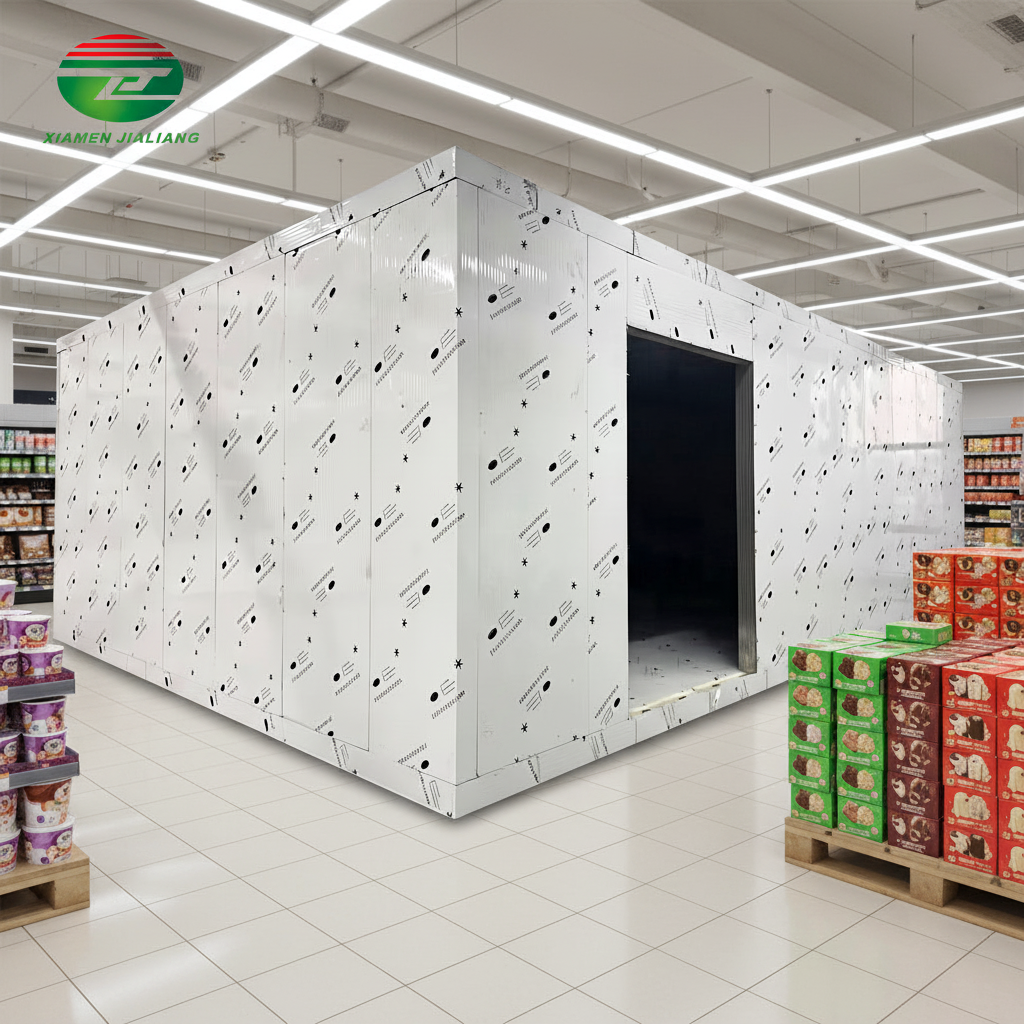
It is precisely because ice cream has extremely high requirements for temperature stability that ordinary cold storage used for storing popsicles cannot meet the long-term storage requirements of ice cream. This is also the core reason why ice cream needs to have a dedicated cold storage built separately. Only in dedicated ice cream cold storage, through precise temperature control, good insulation design, sufficient power refrigeration units, and reasonable storage space settings, can ice cream maintain the best quality throughout the entire storage process.
Characteristics of ice cream and popsicle cold storage
Compared to ordinary storage cold storage, this type of specialized cold storage has more distinct characteristics.
Firstly, the temperature control accuracy is higher. Ice cream cold storage is generally maintained at -15 ℃ to -12 ℃ to meet the demand, while ice cream special cold storage needs to maintain a stable temperature of -18 ℃ or even lower, and temperature fluctuations must be controlled within a very small range to avoid a decline in ice cream quality.
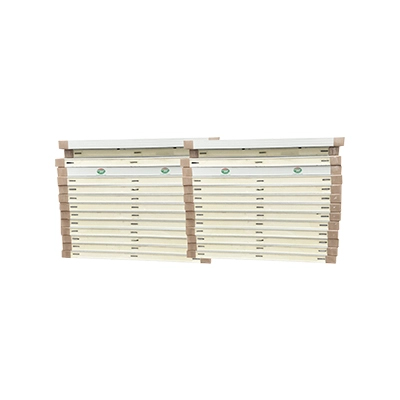
Secondly, the insulation standards for cold storage are higher, and insulation materials with lower thermal conductivity and thicker thickness will be selected. Special sealing and insulation treatment will also be applied to areas such as storage doors and pipeline interfaces that are prone to cold leakage, reducing the impact of external heat on the temperature inside the storage.
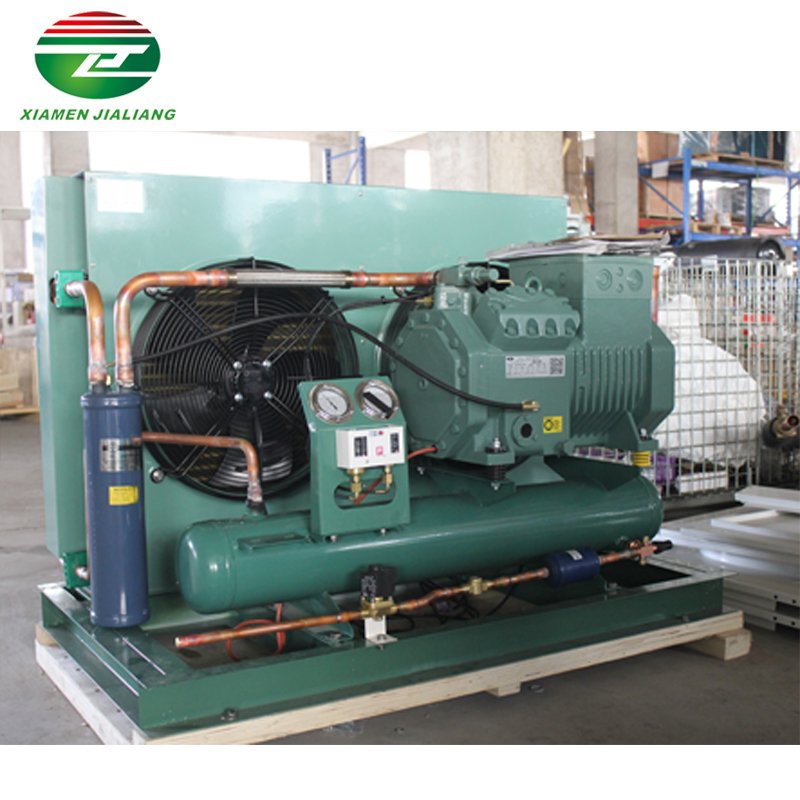
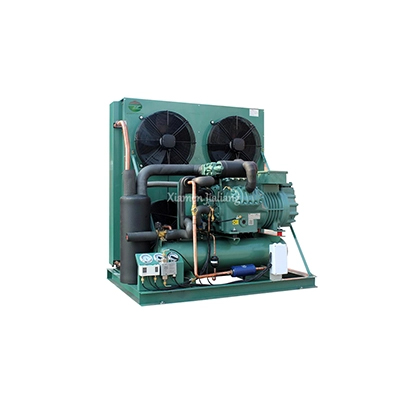
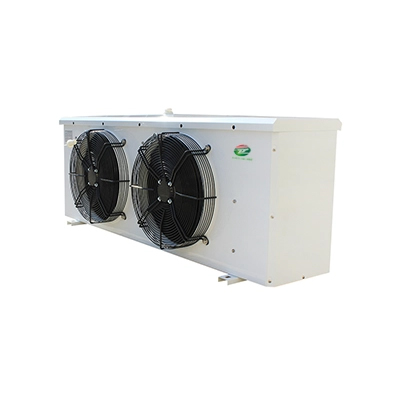
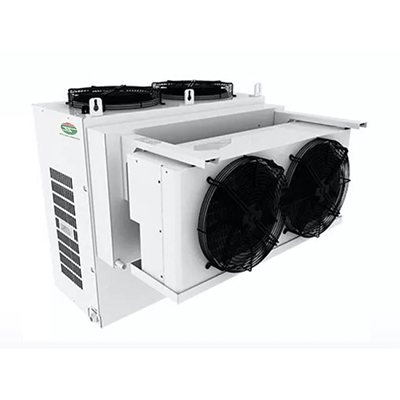
Finally, the refrigeration system of this type of cold storage has higher redundancy, higher power of the refrigeration unit, and faster temperature control response speed. Even in high temperature environments in summer or frequent opening and closing of the warehouse door for incoming and outgoing goods, it can quickly restore the set temperature inside the warehouse, ensuring stable quality of stored ice cream and popsicles.
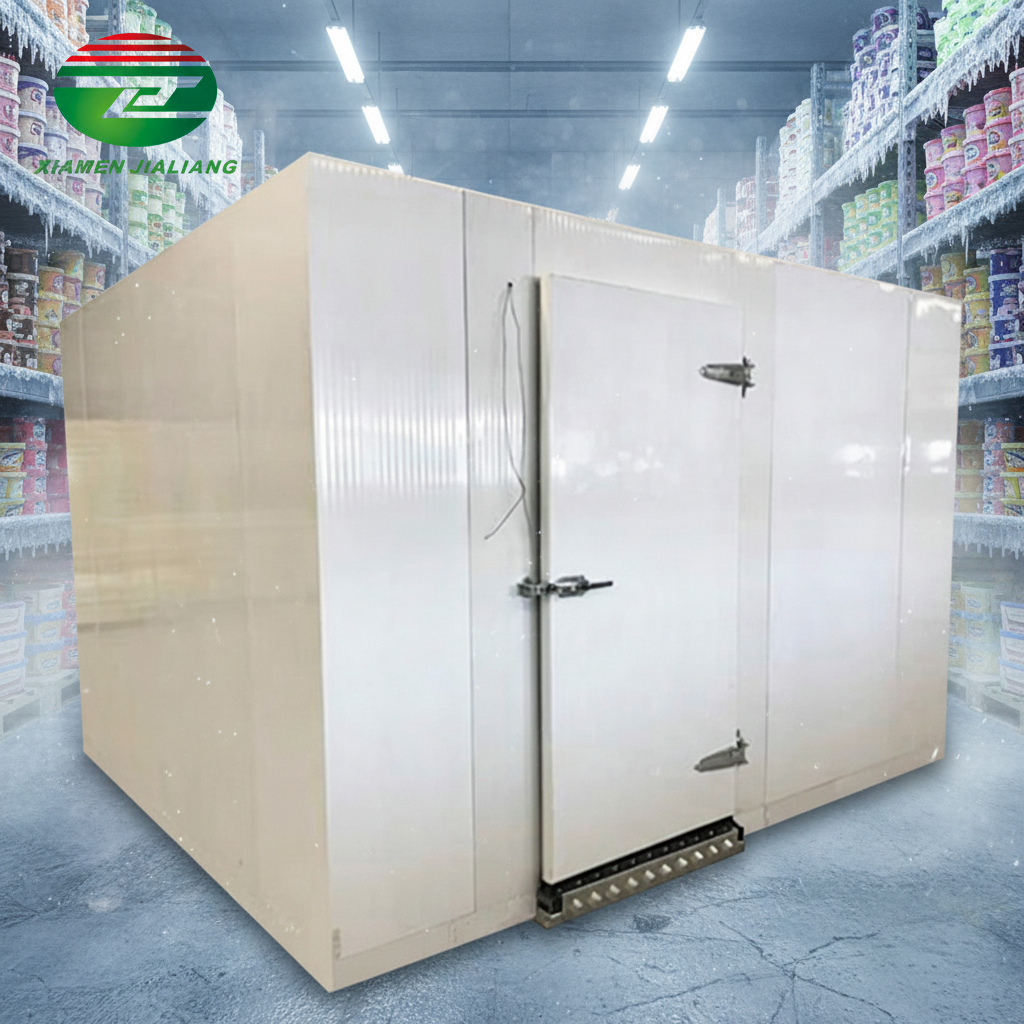
Ice cream popsicle cold storage plays a crucial role in ice cream popsicle storage, providing reliable storage guarantees for the ice cream popsicle industry. If you would like to learn more about the ice cream popsicle cold storage product, please contact us. Our website is www.coldroomjl.com