Vegetable Storage: How to Keep Fresh Vegetables Fresh Longer
Vegetable Storage Guide: Best Temperature, Humidity & Cold Storage Solutions
Vegetable Storage: How to Keep Fresh Vegetables Fresh Longer
1. Why Is Proper Vegetable Storage Important?
Fresh vegetables are an essential part of our daily diet. However, after harvesting, vegetables continue to lose moisture and undergo natural biological changes. Improper storage conditions can accelerate deterioration, resulting in wilting, discoloration, softening and reduced freshness.
Proper vegetable storage helps maintain product quality, extend shelf life and reduce food waste. Whether you operate a supermarket, restaurant, food distribution center or agricultural business, choosing the right storage environment is essential.
2. What Are the Best Conditions for Storing Vegetables?
Temperature, humidity and air circulation are three important factors affecting vegetable freshness.
Temperature Control
Different vegetables require different storage temperatures. Keeping vegetables too cold may cause chilling injury, while excessive temperatures can accelerate spoilage.
Humidity Control
Many leafy vegetables and root vegetables require relatively high humidity to prevent moisture loss. However, excessive condensation and standing water should be avoided.
Air Circulation
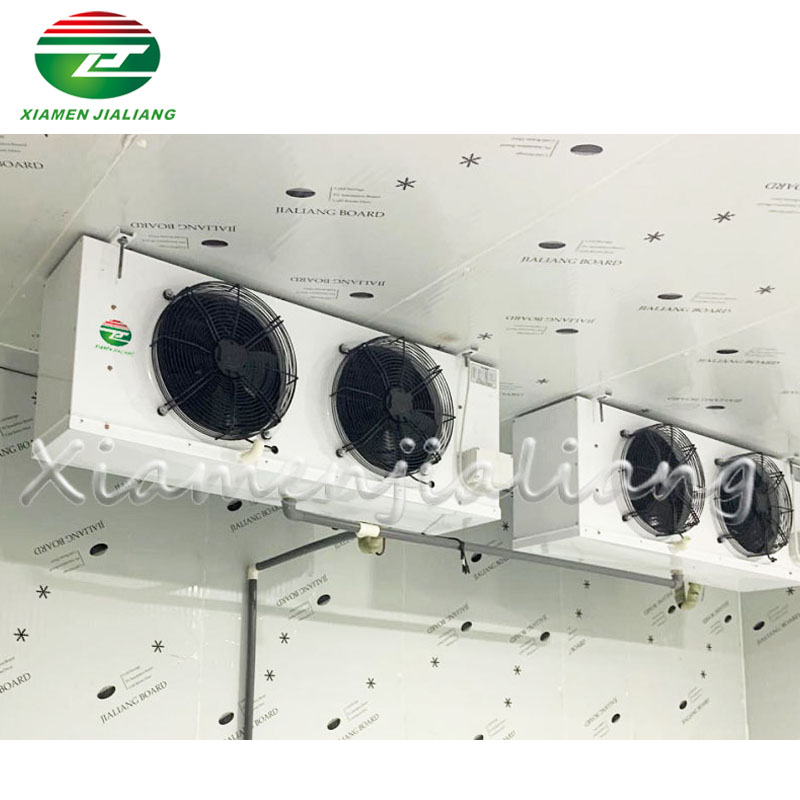
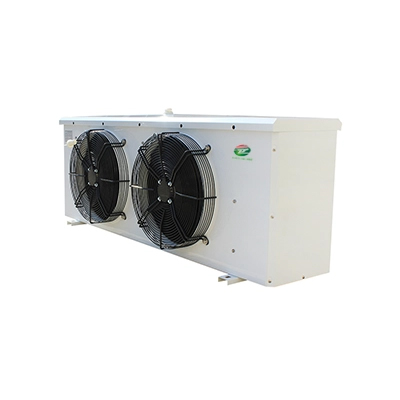
Proper airflow helps maintain a more uniform temperature throughout the cold room and prevents localized temperature differences.
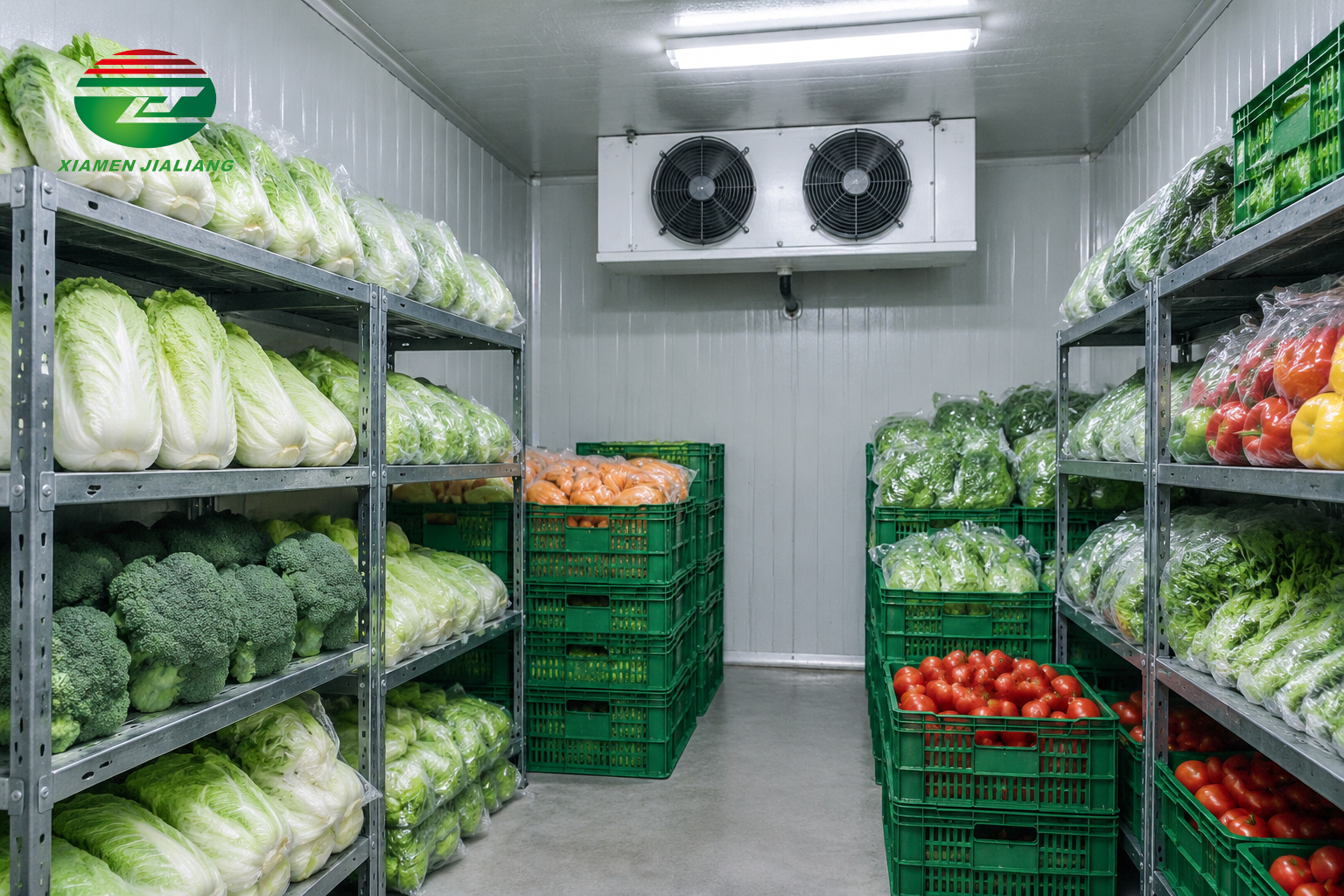
3. Five Practical Tips for Better Vegetable Storage
1. Sort Vegetables Before Storage
Remove damaged, bruised or spoiled vegetables before placing them in cold storage. This helps reduce the risk of cross-contamination and quality deterioration.
2. Avoid Mixing Incompatible Vegetables
Some vegetables are sensitive to ethylene gas, which can accelerate ripening and deterioration. Store ethylene-producing produce separately from sensitive vegetables whenever possible.
3. Maintain Stable Storage Conditions
Avoid frequent temperature fluctuations. Consistent temperature and humidity help maintain vegetable quality during storage.
4. Ensure Proper Air Circulation
Arrange vegetables with sufficient space between packages and avoid blocking air outlets. Good airflow supports uniform cooling.
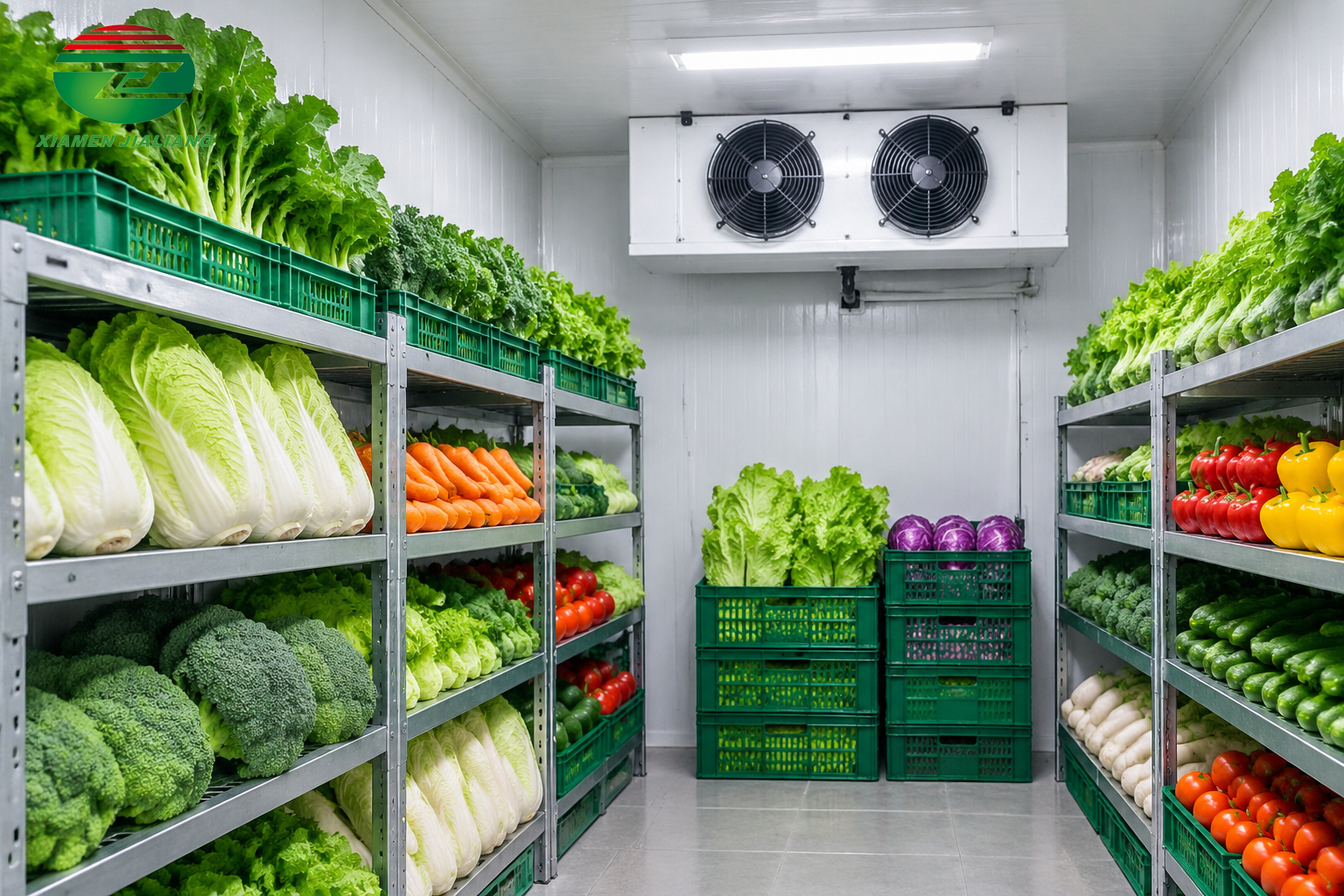
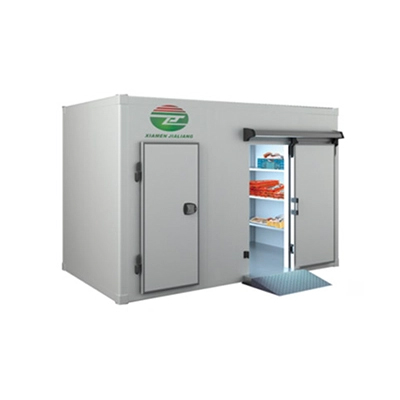
4. Why Is a Commercial Cold Room Important for Vegetable Storage?
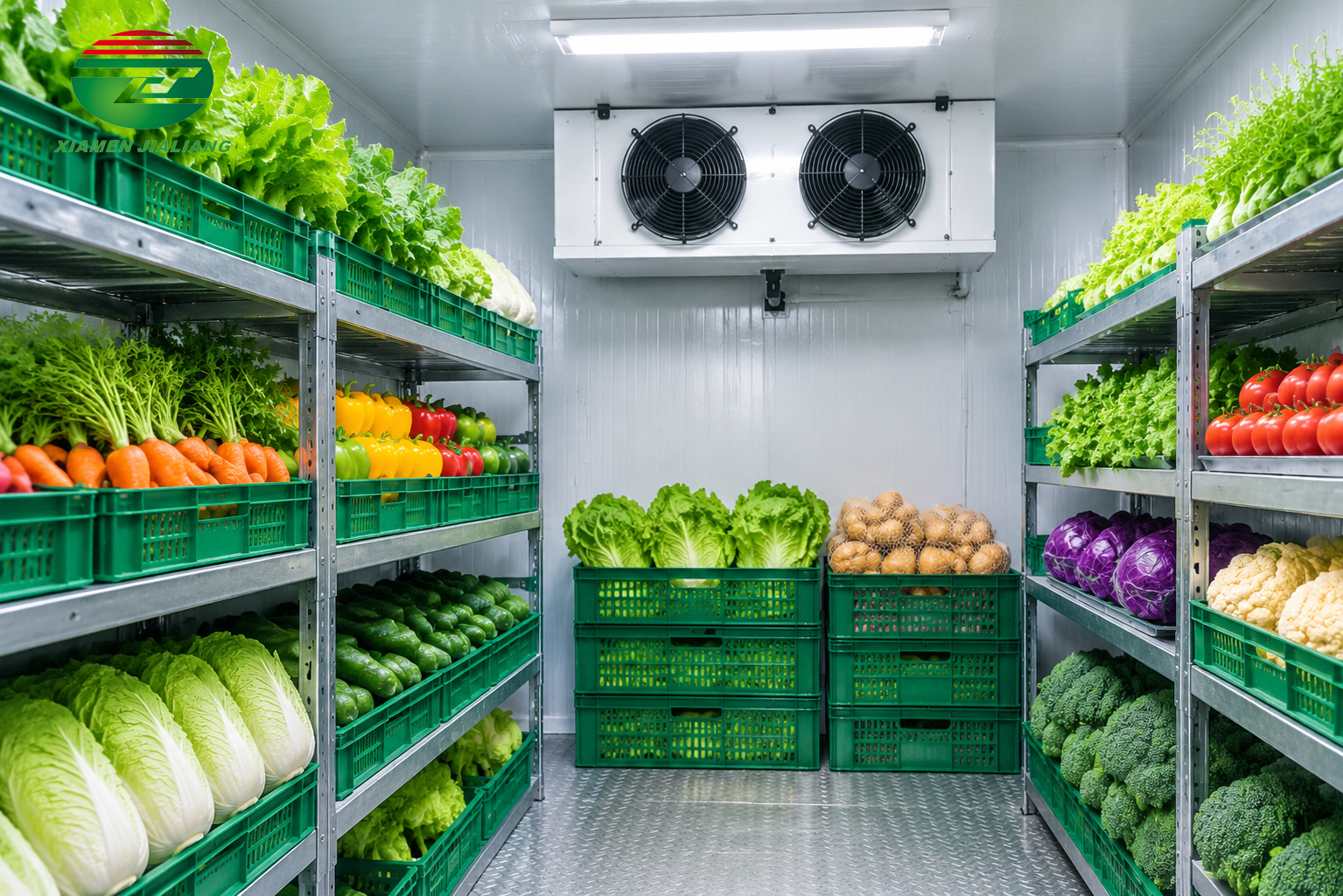
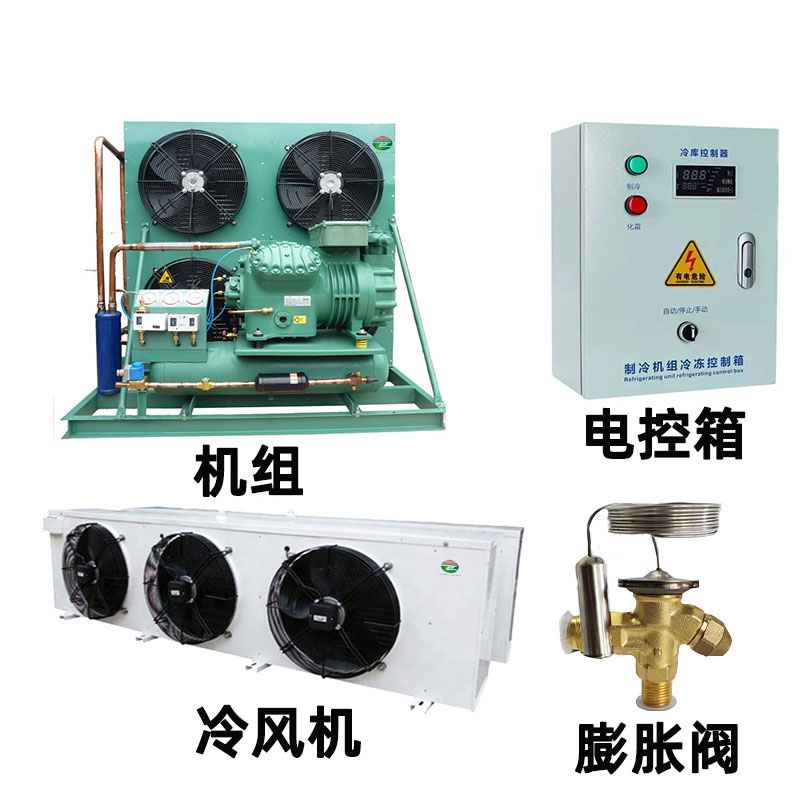
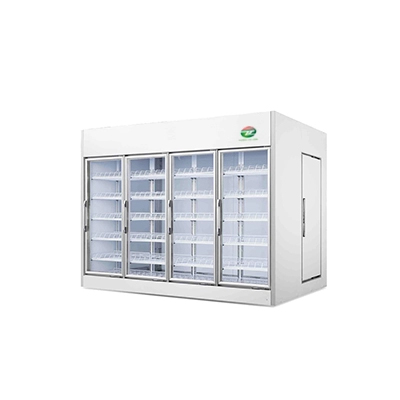
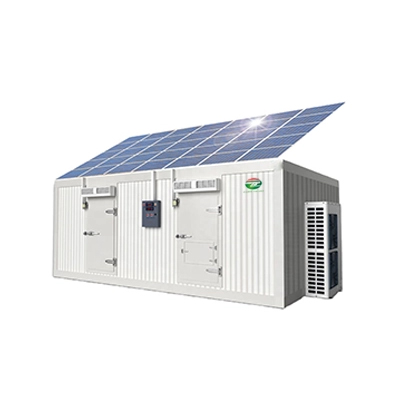
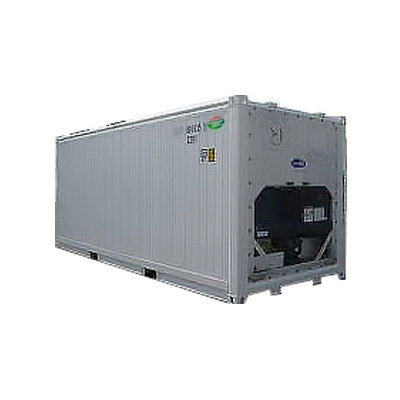
For supermarkets, restaurants, farms and food distribution businesses, a commercial cold room provides a controlled storage environment for fresh produce.
Conclusion
Proper vegetable storage is about more than simply keeping produce cold. Temperature, humidity, ventilation and storage management all play important roles in maintaining freshness.
For commercial applications, a well-designed vegetable cold room provides a reliable solution for storing fresh produce, reducing post-harvest losses and improving operational efficiency.
Investing in suitable cold storage equipment is an important step toward better food preservation and a more efficient supply chain.
Looking for a reliable commercial cold room solution? Contact our team to discuss your vegetable storage requirements.
Our website is www.coldroomjl.com