PU Cold Room Panels: Structure, Benefits & Guide
What Is a PU Cold Room Panel
PU Cold Room Panels: Structure, Benefits & Guide
What Is a Polyurethane Cold Room Panel?
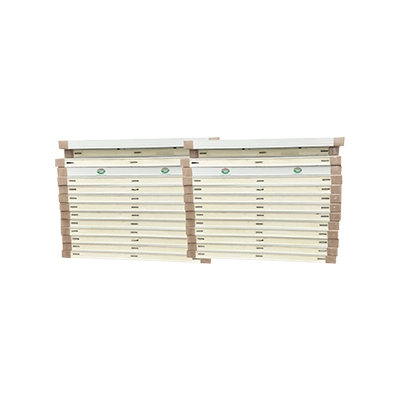
A polyurethane cold room panel is an insulated sandwich panel widely used in cold storage facilities, refrigerated warehouses, food processing plants, and industrial refrigeration projects.
It typically consists of two metal sheets bonded to a rigid polyurethane (PU) foam insulation core. This composite structure provides thermal insulation, structural stability, and a durable surface for cold room construction.
Polyurethane foam has a low thermal conductivity and a closed-cell structure, helping reduce heat transfer between the cold room interior and the surrounding environment.
PU insulated panels are commonly used for cold room walls, ceilings, and specially designed insulated floor systems.
Depending on project requirements, panels are available in different thicknesses, metal facings, surface finishes, and joint configurations.
Main Structure of Polyurethane Cold Room Panels
A standard PU cold room panel consists of three main structural layers.
1 Metal Facing
The metal facings are installed on both sides of the polyurethane insulation core. They protect the insulation material and contribute to the overall strength and stability of the panel.
Common facing materials include: Pre-painted galvanized steel,Stainless steel,Galvanized steel
Different facing materials are suitable for different operating environments. For example, stainless steel may be preferred in food processing facilities or areas with demanding cleaning and corrosion-resistance requirements.
2 Polyurethane Foam Core
The polyurethane foam core provides the main thermal insulation function.
Its key characteristics include:
Low thermal conductivity
Excellent thermal insulation properties
Closed-cell foam structure
Low water absorption tendency
Good dimensional stability
The density, thickness, and foaming quality of the PU core all influence the thermal and mechanical performance of the finished panel.
3.Panel Joint System
Cold room panels use specially designed joint systems to connect adjacent panels and create an insulated enclosure.
Common connection systems include:
Eccentric Hook Connection
Cam-Lock Connection
Tongue and Groove Joint
Eccentric hook systems use an internal locking mechanism to pull adjacent panels tightly together. This design supports modular installation and makes disassembly more convenient when required.
Proper joint sealing is also important to reduce air leakage and moisture penetration.
Common PU Cold Room Panel Thicknesses and Applications
Panel thickness is an important factor affecting thermal insulation performance.
The appropriate thickness should be determined by the required storage temperature, ambient conditions, room dimensions, and refrigeration design.
Applications of Polyurethane Cold Room Panels
PU insulated cold room panels are widely used across different industries.
Food Processing Industry: Used in meat processing facilities, food production plants, and refrigerated preparation rooms.
Cold Chain Logistics: Suitable for refrigerated warehouses, frozen storage facilities, and distribution centers.
Seafood and Fishery Industry: Used for storing seafood, fish, and other temperature-sensitive aquatic products.
Fruit and Vegetable Storage: Helps maintain suitable low-temperature environments for fresh agricultural products.
Pharmaceutical Industry: Used in temperature-controlled storage facilities designed to meet applicable pharmaceutical requirements.
Commercial Refrigeration: Suitable for supermarkets, hotels, restaurants, and commercial walk-in cold rooms.
From small walk-in coolers to large industrial cold storage facilities, PU panels can be customized to meet different project requirements.
Installation Considerations for PU Cold Room Panels
Proper installation is essential for maintaining insulation performance and long-term reliability.
Important installation considerations include:
1.Check the floor level and foundation dimensions before installation.
2.Follow the installation drawings and specified panel assembly sequence.
3.Ensure that eccentric hooks or other locking mechanisms engage correctly.
4.Apply suitable sealing materials to panel joints.
5.Properly insulate and seal wall-to-ceiling and wall-to-floor connections.
6.Seal all pipe, cable, and equipment penetrations.
7.Inspect door frames, corners, and panel joints to minimize thermal bridges and air leakage.
Following proper installation procedures helps maintain the insulation performance of PU cold room panels and reduces unnecessary energy losses.
Conclusion
Polyurethane cold room panels are widely used in modern cold storage construction because of their thermal insulation properties, modular structure, and flexible installation options.
Whether the project involves food refrigeration, frozen meat storage, seafood preservation, or industrial cold chain logistics, selecting the right panel thickness, facing material, and joint system is essential for building a reliable cold storage facility.
If you are planning a new cold room project, contact our team to learn more about PU cold room panel specifications, custom dimensions, eccentric hook connection systems, and complete cold storage solutions.
Our website is www.coldroomjl.com