




Construction Requirements And Storage Of Dairy Cold Room
Maintains optimal conditions for food freshness.
Construction Requirements And Storage Of Dairy Cold Room
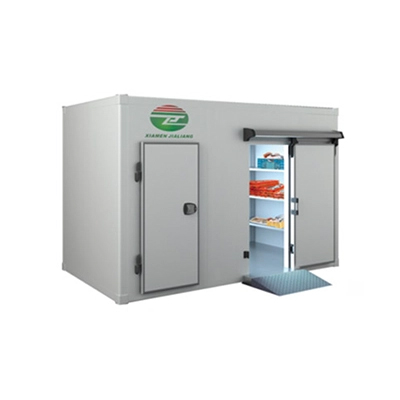
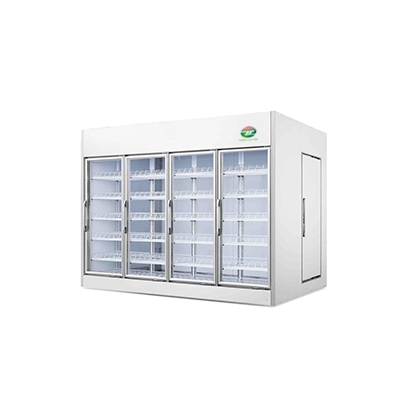
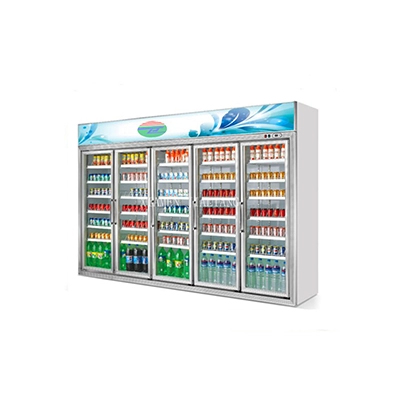
A dairy cold room is a specialized low-temperature storage facility designed for storing fresh milk, fermented dairy products, cheese, and other dairy products. It plays an irreplaceable role in ensuring product freshness, extending shelf life, and maintaining quality stability. Due to the significant differences in temperature and humidity requirements for storage environments among different dairy products, cold rooms are usually designed with temperature zones. For example, pasteurized milk needs to be stored in a constant temperature range of 2-6 ℃, while butter and frozen dairy products stored for a long time require a low temperature environment below -18 ℃. At the same time, dairy products are prone to absorbing odors, and the cold room will be equipped with professional ventilation and odor filtering devices. Regular cleaning and disinfection of the warehouse is also necessary to prevent microbial growth from contaminating the products and meet the relevant regulatory requirements for food safety production and storage.
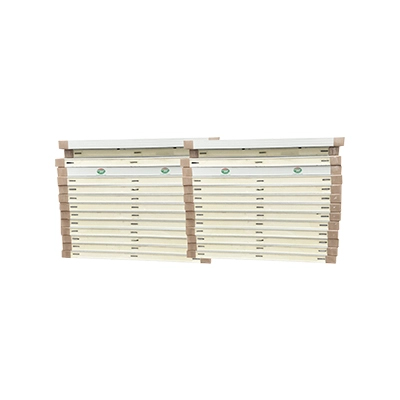
In the process of building a dairy cold room, it is necessary to select refrigeration equipment and insulation boards that are suitable for performance parameters based on the actual storage capacity requirements. The thermal conductivity of the insulation layer will directly affect the refrigeration effect and long-term operating energy consumption of the cold storage, and must meet the insulation design specifications for low-temperature food storage.
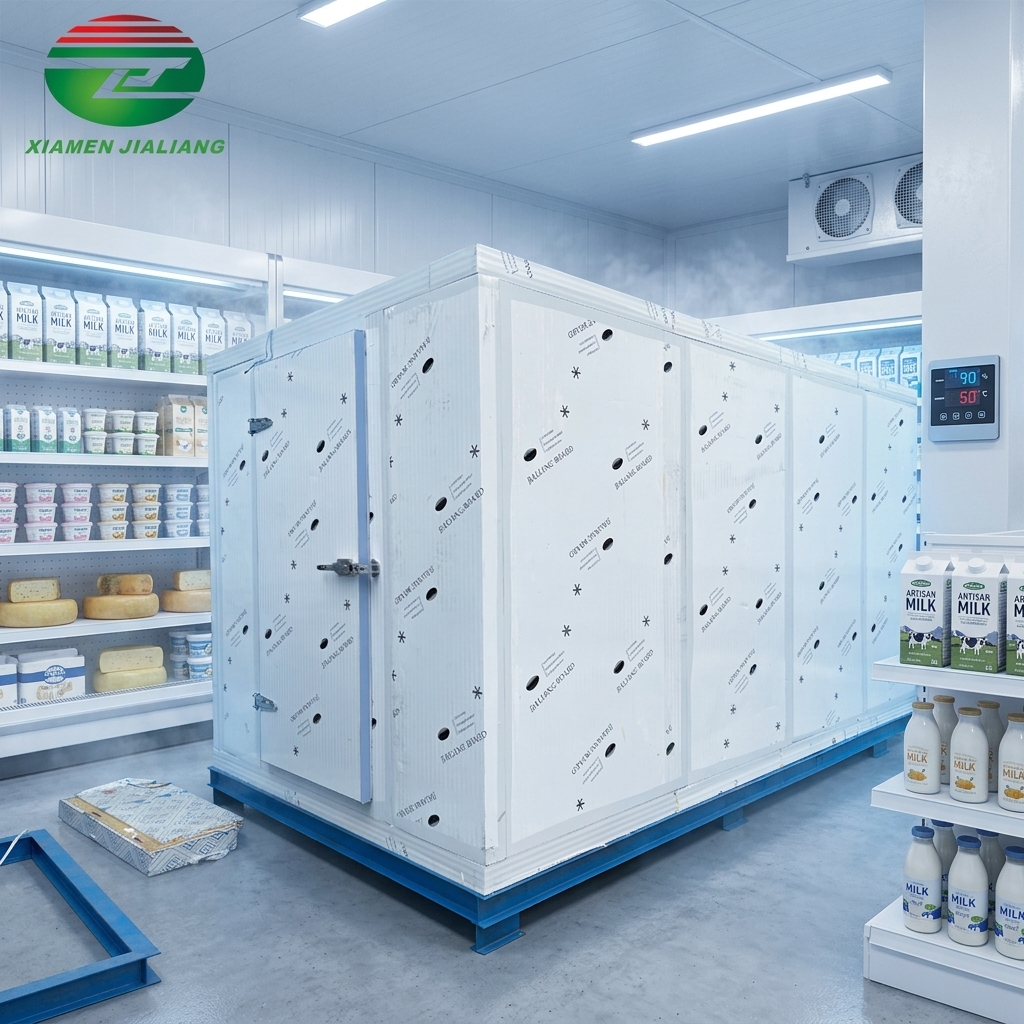
How to build a dairy cold storage?
The first step is to complete the site survey and site selection planning. Dairy products belong to the food storage category, and priority should be given to selecting areas that are far away from chemical pollution sources, have dry and clean air, and have good drainage and ventilation conditions for construction. Then, according to the planned storage of dairy products and total storage capacity, different temperature control requirements for storage zones should be divided in advance. At the same time, temporary turnover of goods and forklift loading and unloading space should be reserved to avoid the problem of traffic congestion in subsequent use.
The second step is to complete the construction of the insulation system. Based on the low temperature requirements of different temperature zones, insulation boards with corresponding thermal conductivity and thickness are selected, and all board joints are sealed and leak proof to avoid cold air leakage and increased energy consumption caused by the cold bridge effect.
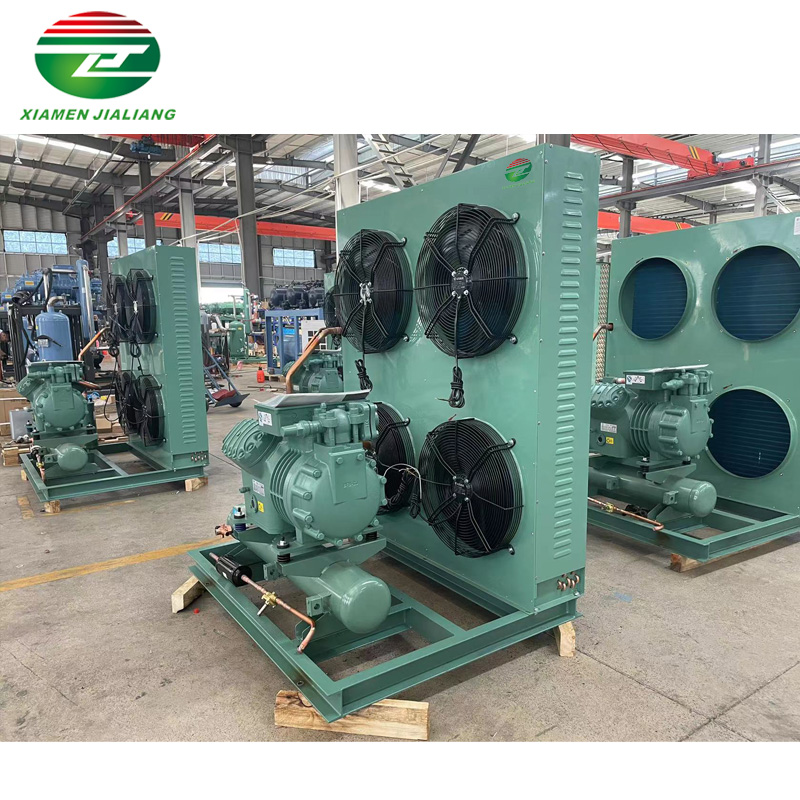
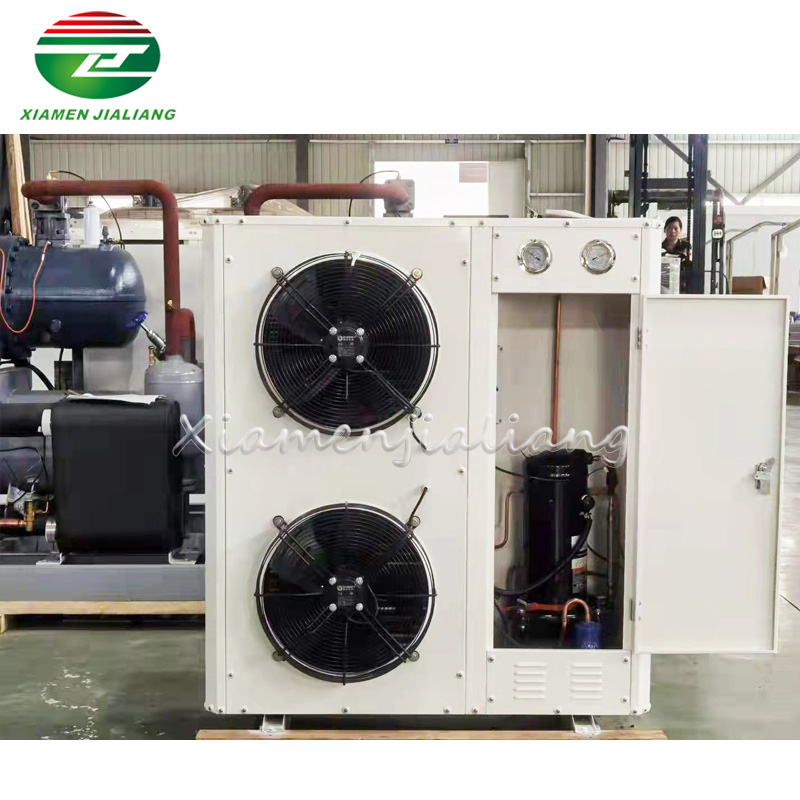
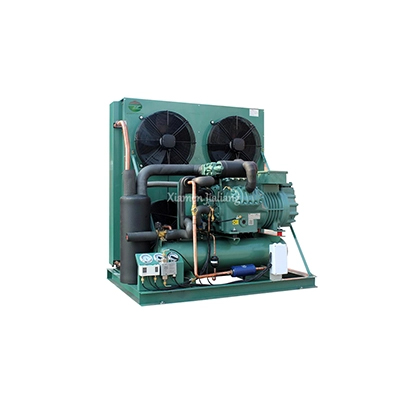
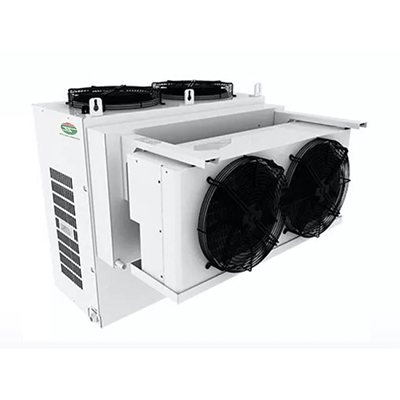
The third step is to complete the installation and commissioning of the refrigeration system, match suitable power refrigeration units according to the temperature control requirements of each zone, install automatic temperature control monitoring equipment throughout the period, ensure that the temperature in the warehouse can be maintained stably within the required range for a long time, and avoid temperature fluctuations affecting the quality of dairy products.
The fourth step is to complete the layout and acceptance of supporting sanitation facilities, install ventilation, odor filtering, and disinfection devices that meet food storage safety requirements. After the overall construction is completed, the cold storage will be thoroughly cleaned and inspected for safety in accordance with food storage safety regulations. Only after all indicators are accepted as qualified can it be officially put into use.
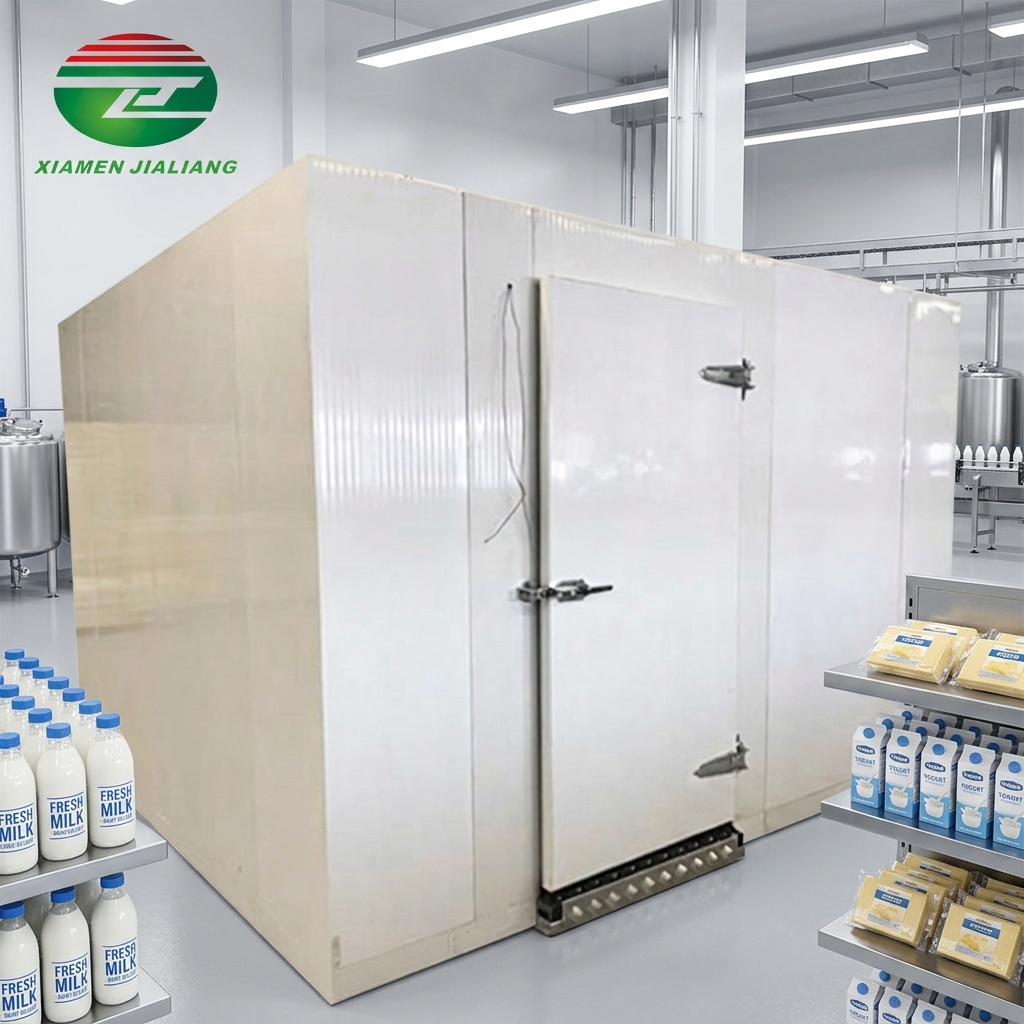
Storage temperature requirements for dairy products
The storage temperature requirements for different categories of dairy products vary significantly, and precise matching of corresponding temperature control environments is needed: room temperature dairy products such as room temperature pure milk and room temperature yogurt can generally be stored at room temperature, but transferring them to cold storage can further extend the quality stability time, and the temperature can be controlled at 10-15 ℃; Low temperature pasteurized milk, low-temperature yogurt and other short-term fresh dairy products need to be maintained in a constant temperature environment of 2-6 ℃ throughout the entire process, with a temperature not lower than 0 ℃, to prevent dairy products from freezing and damaging their taste and nutritional structure, and not exceeding 8 ℃, to avoid rapid microbial growth and accelerated product deterioration; Processed dairy products such as butter and cream that require long-term storage should be stored at a temperature between -18 ℃ and -10 ℃ to extend their shelf life and prevent oil oxidation and deterioration; Frozen dairy products such as ice cream and frozen milk cubes should be stored at a temperature not exceeding -18 ℃ to maintain their stable form and taste.
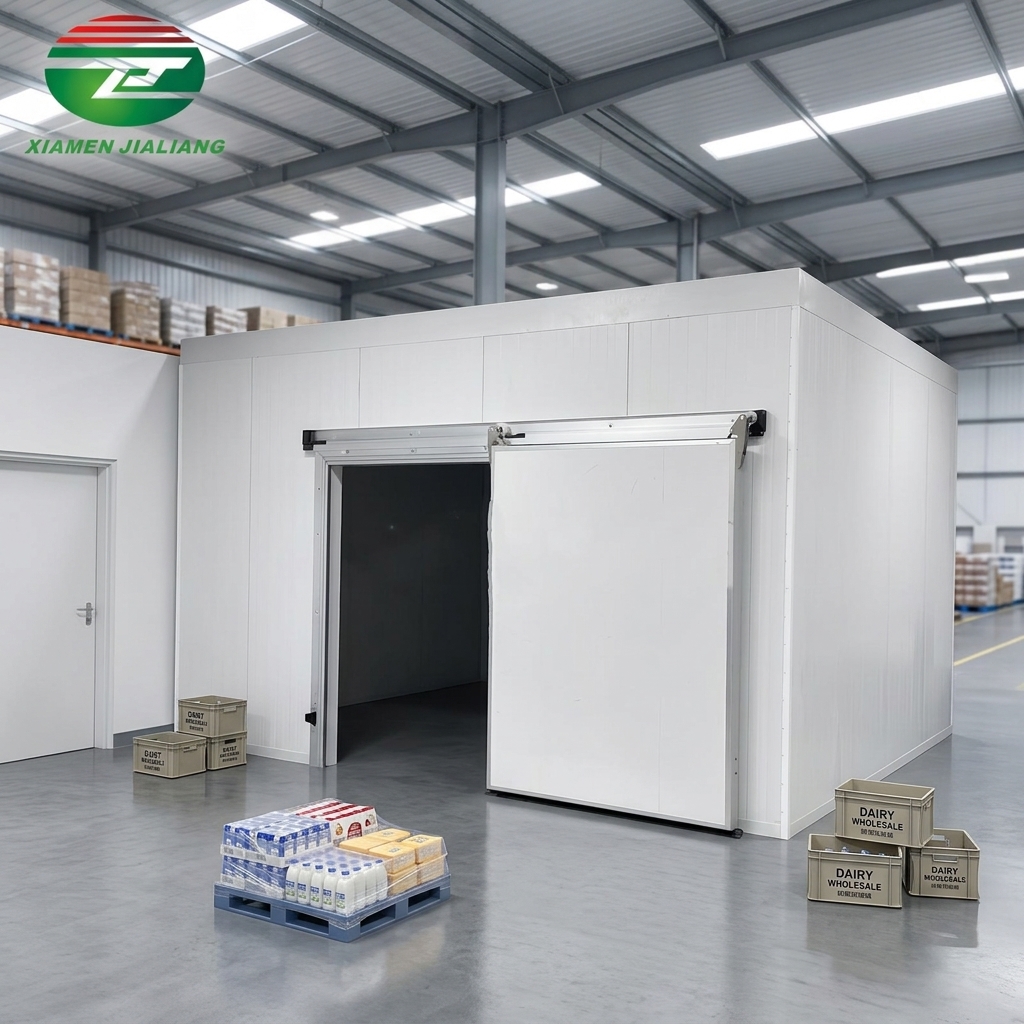
The impact of dairy products on daily life
Dairy products are closely related to people's daily lives, from fresh milk for breakfast to butter for baking, and even ice cream for summer heat relief. Various dairy products have become an important part of daily diet. The stable operation of dairy cold storage is an important foundation for ensuring stable market supply and food safety. It can not only help dairy production enterprises balance production and sales, regulate market supply during peak and off peak seasons, but also firmly hold the bottom line of product quality in the circulation process, allowing consumers to eat fresh and safe dairy products, ensuring the richness and safety of daily diet.
For more information, please visit www.coldroomjl.com