Different Types of Cold Rooms: A Complete Guide to Cold Storage Solutions
Different Types of Cold Rooms
Different Types of Cold Rooms: A Complete Guide to Cold Storage Solutions
Cold storage plays an essential role in modern food processing, agriculture, pharmaceuticals, hospitality, and logistics. Whether you need to preserve fresh produce, store frozen seafood, maintain pharmaceutical products at controlled temperatures, or support a large-scale cold chain operation, choosing the right cold room is critical to product quality and operational efficiency.
However, not all cold rooms are designed for the same purpose. Different products require different temperature ranges, humidity levels, storage capacities, and refrigeration configurations.
In this guide, we will introduce the main types of cold rooms, their typical applications, and the key factors to consider when choosing a cold storage solution for your business.
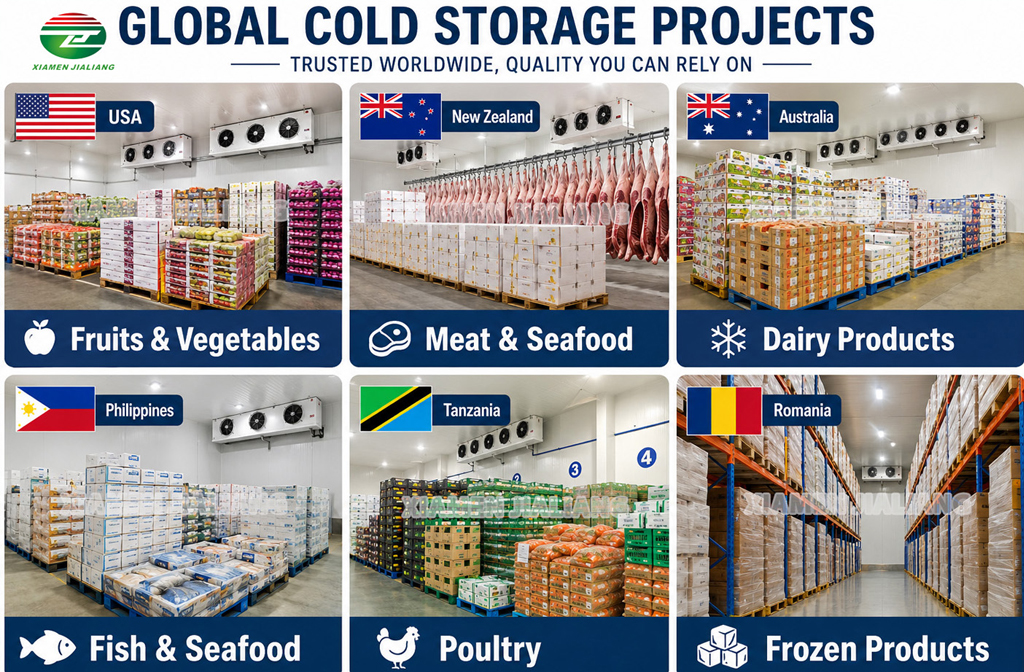
What Is a Cold Room?
A cold room is an insulated storage space equipped with a refrigeration system to maintain a controlled temperature for temperature-sensitive products.
Compared with conventional refrigerators and freezers, industrial cold rooms offer greater storage capacity, flexible layouts, and customizable temperature settings. They can be designed for small commercial businesses, food processing facilities, distribution centers, and large industrial warehouses.
Depending on the application, a cold room may operate above freezing, below freezing, or within a tightly controlled temperature range.
Different Types of Cold Rooms
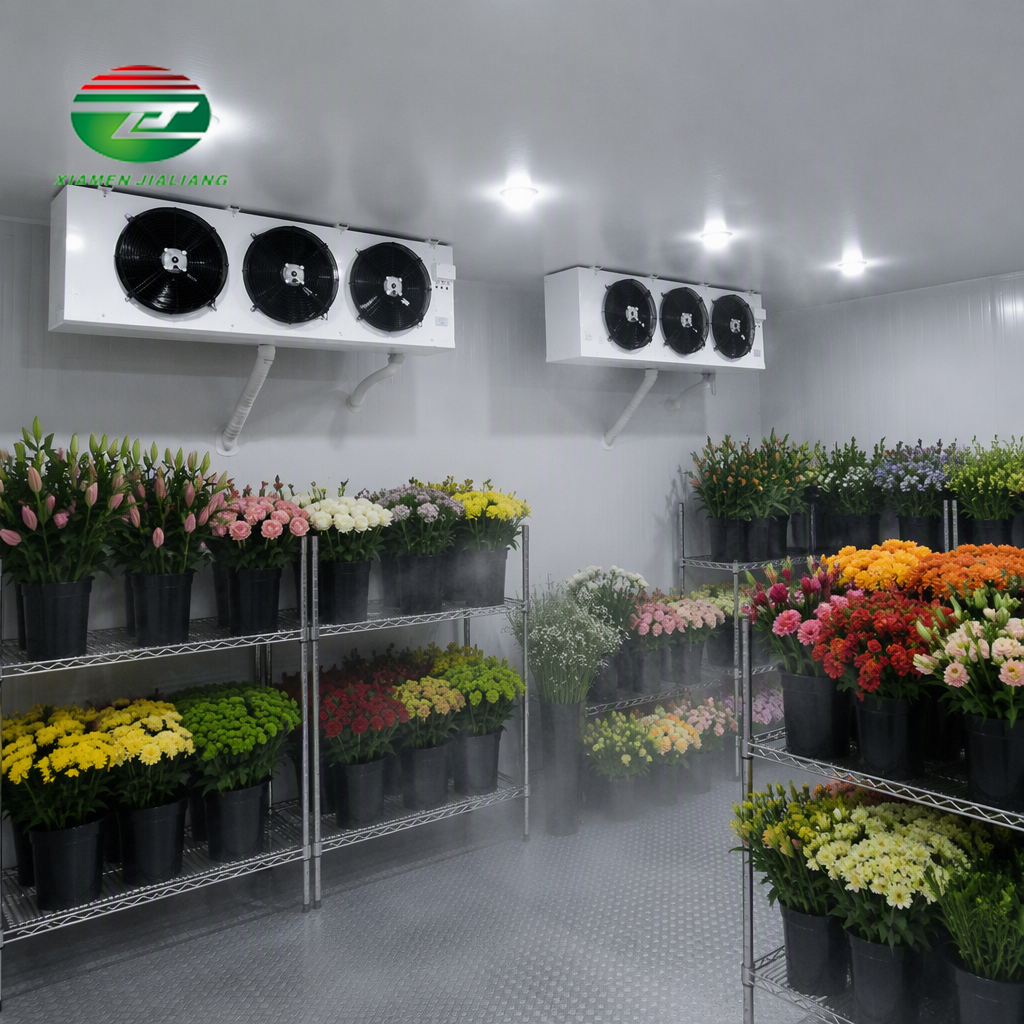
1. Chiller Room / Cold Room
A chiller room is designed to keep products cool without freezing them. It is commonly used for fresh food, beverages, dairy products, flowers, and other perishable goods.
Typical temperature range: 0°C to +8°C (32°F to 46°F), depending on the product and application.
Common applications:Fresh fruits and vegetables,Dairy products and beverages,Restaurants, hotels, and commercial kitchens,Flower storage and distribution
Key benefits:
A chiller room helps slow product deterioration, maintain freshness, and support efficient inventory management. Temperature settings can be customized according to the specific storage requirements of different products.
For businesses handling multiple product categories, separate storage zones may be necessary to maintain suitable temperature and humidity conditions.
2. Freezer Room / Walk-In Freezer
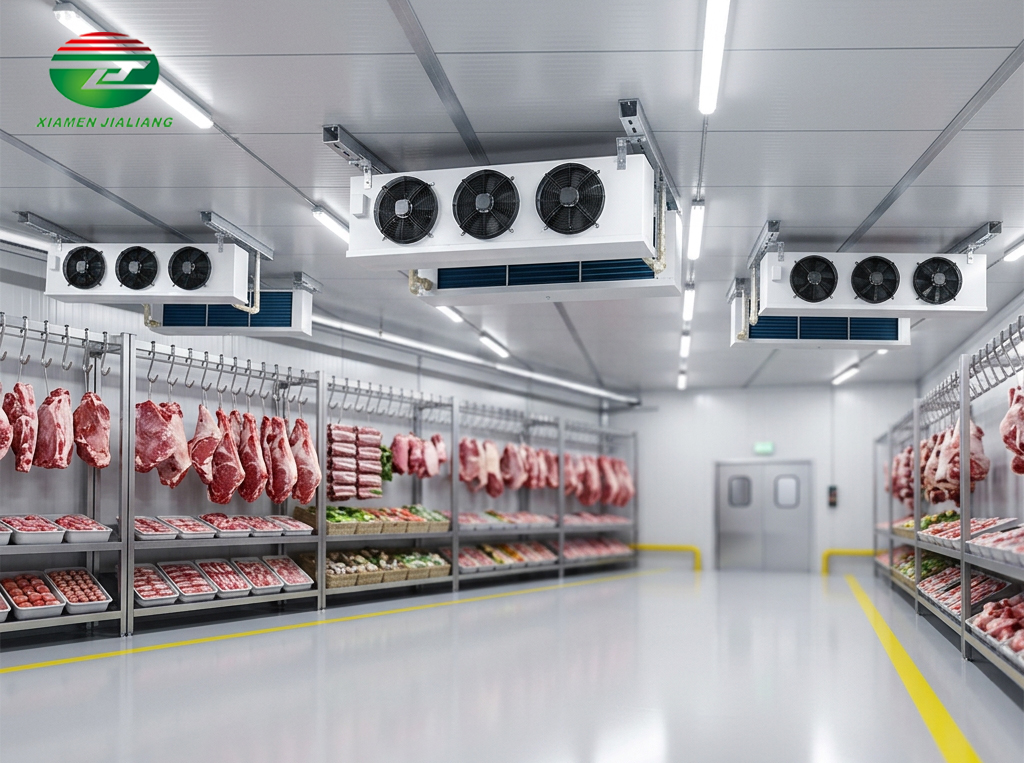
A freezer room is designed for the long-term storage of frozen products. It uses a refrigeration system and insulated panels suitable for sub-zero operating temperatures.
Typical temperature range: -18°C to -25°C (-0.4°F to -13°F), depending on the product and storage requirements.
Common applications:Frozen meat and poultry,Frozen seafood,Ice cream and frozen desserts,Food distribution centers and supermarkets
Key benefits:
A properly designed freezer room helps maintain stable storage conditions, protect frozen product quality, and support high-volume inventory management.
Insulation thickness, door design, floor insulation, refrigeration capacity, and the frequency of door openings should all be considered during the design process.
3. Blast Freezer Room
A blast freezer is designed to reduce product temperature rapidly using high-velocity, low-temperature air circulation. Unlike a conventional freezer room, which primarily maintains the temperature of already-frozen products, a blast freezer is intended for rapid freezing.
Typical operating range: Approximately -30°C to -40°C, depending on the system design and process requirements.
Common applications:Meat and seafood processing,Prepared meals and convenience foods,Bakery products,Food manufacturing and export operations
Key benefits:
Rapid freezing helps shorten processing time and can improve the quality of many frozen food products when the freezing process is properly designed and controlled.
The required freezing time depends on product size, initial temperature, packaging, loading configuration, airflow, and the target core temperature.
For businesses with high production volumes, a blast freezer can be integrated into a complete food processing and cold storage system.
4. Low-Temperature and Ultra-Low-Temperature Cold Storage
Some products require temperatures significantly below those used in conventional commercial freezers. These applications need specialized refrigeration equipment, insulation, controls, and operating procedures.
Typical temperature range: -40°C and below for selected applications; ultra-low-temperature systems may operate around -60°C to -80°C or at other specified temperatures.
Common applications:Specialized laboratory samples,Selected biological materials,Research and testing facilities,Certain industrial and scientific applications
Key benefits:
Specialized low-temperature systems provide storage conditions for materials that cannot be maintained in conventional freezer rooms.
System selection must account for the actual target temperature, product load, heat gain, required temperature stability, recovery time, monitoring, and backup requirements.
5.Multi-Temperature Cold Room
A multi-temperature cold room combines two or more temperature-controlled zones within one facility. Each zone can be configured for a different storage purpose.
Typical temperature range: Depends on the configuration of each zone.
Common applications:Food wholesalers,Supermarkets and distribution centers,Hotels and central kitchens,Food processing facilities,Cold chain logistics operations
Key benefits:
Multi-temperature cold storage allows businesses to handle chilled and frozen products in one location while maintaining separate operating conditions.
A well-planned layout can improve workflow, reduce unnecessary product movement, and make better use of available space. Each zone must be designed with appropriate insulation, doors, refrigeration capacity, and controls.
How to Choose the Right Cold Room for Your Business
Selecting the right cold room involves more than choosing a target temperature. The refrigeration system, building design, insulation, product handling, and long-term operating costs must work together.
Step 1: Identify the Products to Be Stored
Start by identifying the type of product, its initial temperature, packaging, storage duration, and required storage conditions.
Step 2: Determine the Required Temperature and Humidity
Specify the target temperature and, where necessary, humidity range. Consider whether the system needs rapid cooling, freezing, or long-term temperature maintenance.
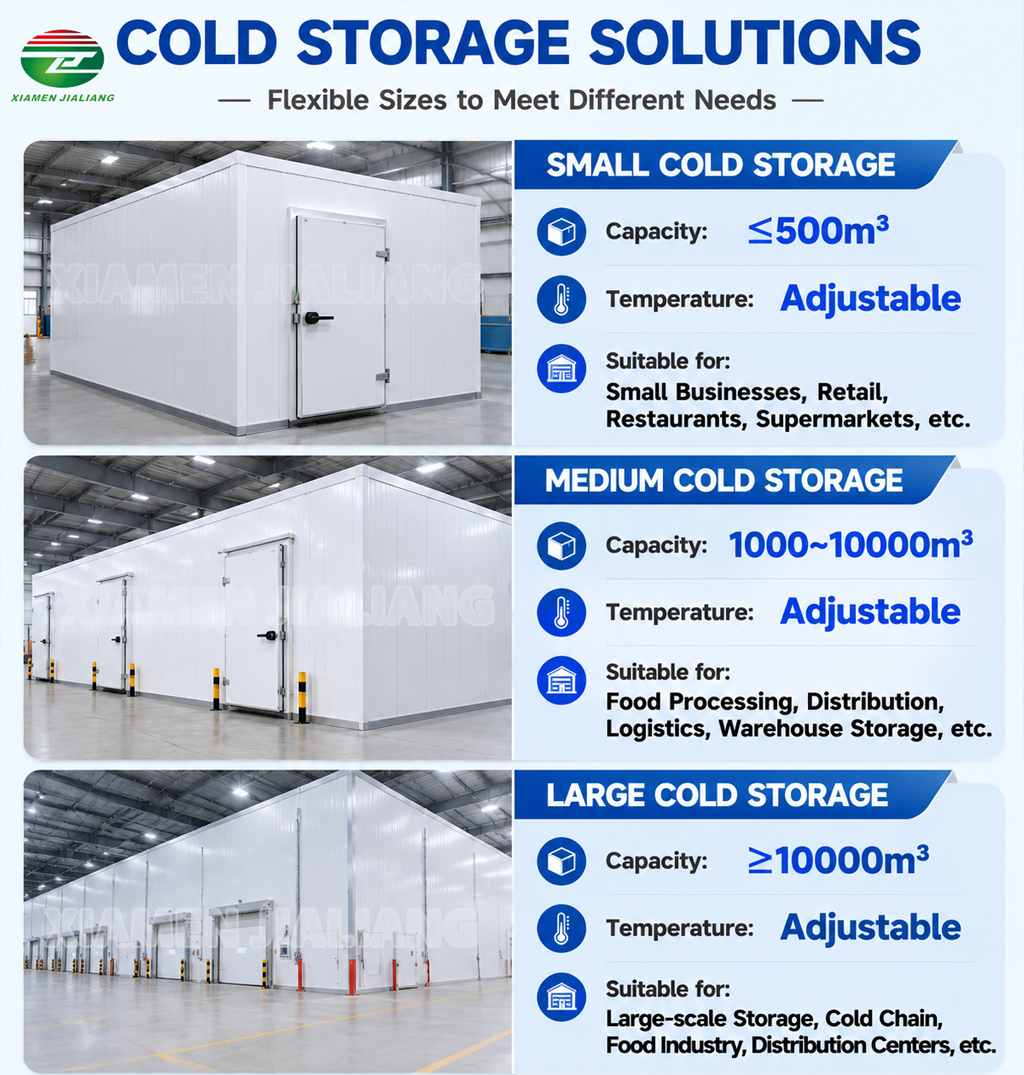
Step 3: Calculate Storage Capacity
Estimate the required storage volume, daily incoming product quantity, inventory turnover, and available floor space.
For larger projects, consider pallet dimensions, shelving, forklift access, loading areas, and future expansion.
Step 4: Evaluate Insulation and Refrigeration Capacity
Insulated panels, floor construction, doors, ambient climate, product loading, and door-opening frequency all affect the refrigeration load.
A professional heat-load calculation helps determine the appropriate refrigeration capacity and avoid unnecessary energy consumption or inadequate cooling performance.
Step 5: Consider Energy Efficiency and Maintenance
Look beyond the initial purchase price. Evaluate expected energy consumption, equipment reliability, component availability, maintenance access, and the availability of technical support.
Step 6: Choose a Reliable Cold Room Supplier
For a customized project, work with a supplier that can understand your application, recommend suitable equipment, and provide clear technical specifications.
Depending on your project, you may also need installation guidance, commissioning support, temperature monitoring, and after-sales service.
Custom Cold Room Solutions for Different Industries
Different industries require different cold storage configurations.
Food processing: Chiller rooms, freezer rooms, and blast freezers for fresh, chilled, and frozen products.
Agriculture: Produce cold rooms designed around crop-specific temperature, humidity, and ventilation requirements.
Pharmaceuticals: Temperature-controlled storage with suitable monitoring and alarm systems.
Hospitality and catering: Commercial cold rooms for ingredients, beverages, and frozen food.
Cold chain logistics: Large-capacity or multi-temperature facilities designed for efficient product handling.
Retail and supermarkets: Chilled and frozen storage solutions tailored to inventory and replenishment needs.
A customized solution can be designed around your products, storage capacity, site conditions, operating temperature, and project budget.
Find the Right Cold Storage Solution for Your Project
Choosing the right cold room can help protect product quality, improve storage efficiency, and support your business as it grows.
Whether you need a commercial chiller room, an industrial freezer, a blast freezer, a pharmaceutical cold room, or a customized multi-temperature facility, the best solution starts with understanding your actual storage requirements.
Looking for a cold room solution for your business?
Contact our team to discuss your application, required temperature, storage capacity, and project specifications. We can help you identify a suitable cold storage configuration for your needs.
Our website is www.coldroomjl.com